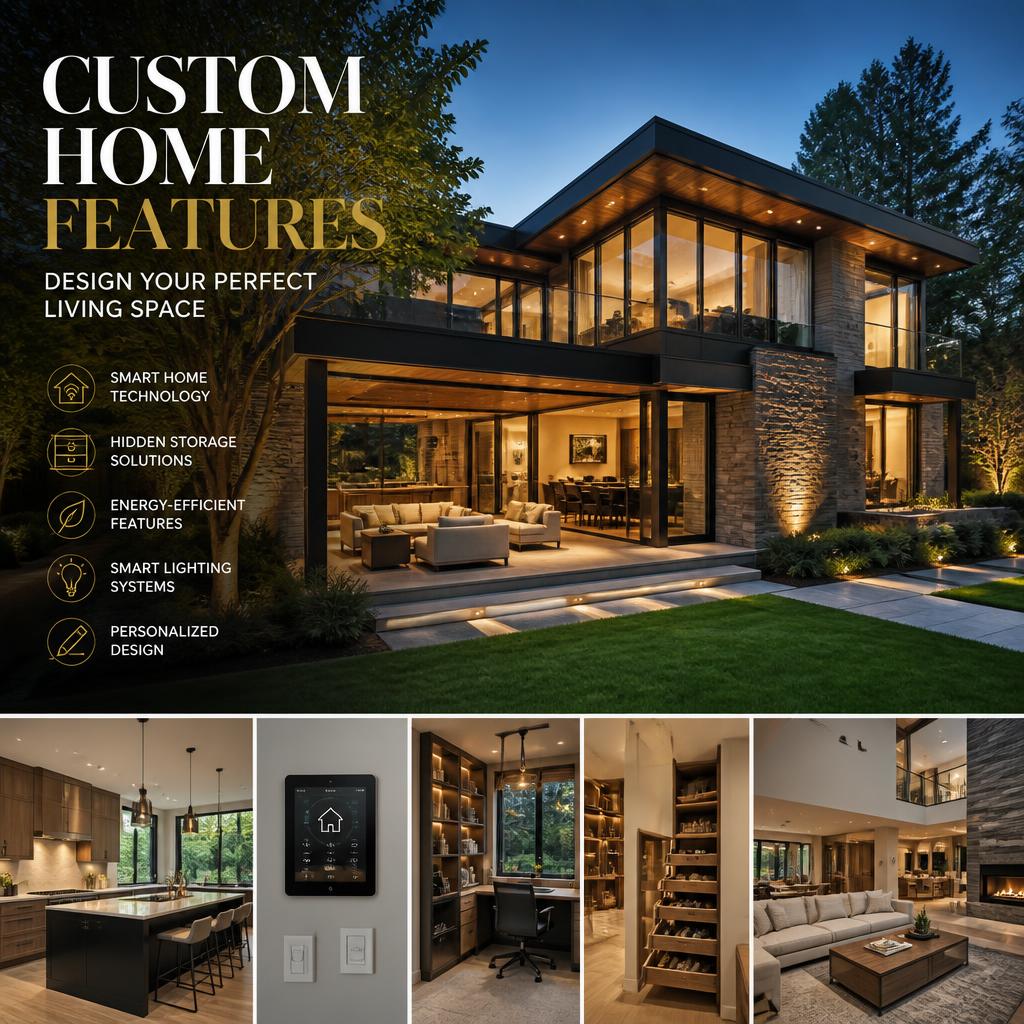
statue-duodesign.com – Custom Home Features That Make Everyday Living Better focus on creating a house that fits the people who actually live there. A custom home is not simply about expensive materials, oversized rooms, or impressive technology. Instead, thoughtful features can improve comfort, simplify daily routines, increase efficiency, and make every room feel more personal. From flexible layouts and clever storage to smart technology and outdoor living areas, the right choices can turn an ordinary house into a genuinely practical home.
What Are Custom Home Features?
Custom home features are design elements created around a homeowner’s lifestyle, preferences, and future needs. They may include architectural details, specialized storage, personalized kitchens, smart systems, energy-saving upgrades, or dedicated lifestyle spaces.
A feature does not need to be expensive to feel valuable. Something as simple as an outlet inside a bathroom drawer or built-in storage near the entrance can make everyday routines noticeably easier.
Why Personalized Home Design Matters
Every household lives differently. Some families need open spaces for entertaining, while others prefer quiet rooms for remote work, hobbies, or relaxation.
Good customization considers who uses the home, what activities happen there, where extra functionality is needed, and how those needs may change over time. This practical approach creates spaces that remain comfortable long after current design trends disappear.
Design Around Your Daily Routine
Before choosing finishes, think about a normal day.
Where do shoes, bags, and coats go when everyone arrives home? How often do you cook? Do you regularly host guests? Does someone work from home?
These simple questions can reveal which custom features will provide the greatest everyday value.
Flexible Floor Plans for Changing Needs
Life rarely stays the same, so flexible rooms are a smart investment.
A nursery may eventually become an office. A guest bedroom could later serve as a hobby room, while a study might become a bedroom for an older family member.
Multipurpose spaces allow homeowners to adapt without major renovations.
Make Rooms Easy to Repurpose
Good lighting, sufficient electrical outlets, reliable internet connections, built-in storage, and adaptable furniture can make one room suitable for several purposes.
Planning these details during construction is usually easier than adding them later.
A Kitchen Designed Around Real Life
The kitchen often becomes the busiest room in the house, making thoughtful customization especially important.
Instead of focusing only on countertops and cabinet colors, consider how people actually move through the space. Efficient kitchen design should make cooking, cleaning, storage, and entertaining easier.
Deep drawers can improve access to cookware, while pull-out shelves keep pantry items organized. An appliance garage can hide coffee makers and small appliances without making them difficult to reach.
Add a Practical Pantry
A walk-in or butler’s pantry can provide valuable storage while keeping the main kitchen less cluttered.
Depending on available space, it may include shelving, additional countertops, electrical outlets, or even a second refrigerator. For homeowners who entertain regularly, this area can also hide preparation mess during gatherings.
Built-In Storage in the Right Places
Storage becomes far more useful when it appears exactly where people need it.
Custom cabinetry can transform overlooked areas beneath stairs, around windows, inside hallways, or along garage walls into practical storage.
A well-designed mudroom is another useful addition. Hooks, benches, shoe drawers, and individual cubbies create a dedicated place for everyday belongings instead of allowing clutter to spread throughout the house.
Use Hidden Storage Creatively
Window seats with compartments, recessed bathroom cabinets, under-stair drawers, and built-in shelving can provide extra organization without making rooms feel crowded.
These solutions are especially valuable in smaller homes where every square foot matters.
Smart Technology That Actually Helps
Smart home technology should make life easier rather than unnecessarily complicated.
Useful systems can manage lighting, temperature, security, window shades, irrigation, and energy consumption. However, homeowners should choose technology based on practical benefits instead of simply following trends.
Create Smarter Lighting
Layered lighting can dramatically change how a room feels.
Combining ambient, task, and accent lighting provides flexibility for cooking, reading, entertaining, or relaxing. Smart controls can create preset scenes, while motion sensors work particularly well in closets, hallways, bathrooms, and pantries.
Natural light matters too. Thoughtful window placement, skylights, and glass doors can brighten interiors while reducing daytime dependence on artificial lighting.
Energy-Efficient Features for Long-Term Comfort
Energy-efficient design can lower operating costs while making indoor spaces more comfortable.
High-quality insulation, efficient windows, modern heating and cooling systems, smart thermostats, and solar-ready electrical planning can improve long-term performance.
Water efficiency also deserves attention. Low-flow fixtures, leak-detection systems, efficient irrigation, and drought-conscious landscaping can reduce unnecessary consumption.
Bathrooms Designed for Comfort and Accessibility
A comfortable bathroom does not require extravagant finishes.
Heated floors, good ventilation, practical storage, generous showers, and well-positioned lighting can make everyday routines much more enjoyable.
Accessibility should also be considered early. Curbless showers, wider doorways, lever handles, and reinforced walls for future grab bars can help a home remain functional as residents grow older.
These features can blend naturally into modern designs without making the space feel institutional.
Dedicated Spaces for Work and Hobbies
Remote work has made dedicated home offices increasingly valuable.
A functional workspace should include natural light, reliable internet, sufficient outlets, comfortable acoustics, and storage. Whenever possible, it should sit away from noisy entertainment areas.
Custom homes can also include spaces for hobbies such as music, gaming, fitness, reading, crafts, or woodworking.
Consider Sound Control
Soundproofing is often overlooked during home planning.
Insulated interior walls, solid-core doors, and thoughtful room placement can reduce noise between offices, bedrooms, entertainment rooms, and shared living areas.
Planning acoustic features during construction is generally easier than adding them afterward.
Outdoor Living That Connects With the Interior
Outdoor areas can effectively extend usable living space.
Large sliding doors can connect kitchens or living rooms with patios, decks, and gardens. Covered seating, outdoor lighting, dining areas, fireplaces, or cooking spaces can make these areas enjoyable throughout more of the year.
Privacy should also influence the design. Landscaping, screens, fencing, and strategic architectural elements can create separation without making the property feel closed off.
Small Custom Details With Big Benefits
Some of the best custom features are surprisingly simple. Charging drawers, extra garage outlets, built-in recycling stations, pet-washing areas, laundry storage, and dedicated package-delivery spaces can solve small everyday frustrations.
When choosing upgrades, prioritize anything that would be difficult or expensive to install later, including wiring, plumbing, insulation, soundproofing, structural reinforcement, and electrical capacity.
Creating a Home That Truly Fits Your Lifestyle
A successful custom home should balance personality, comfort, flexibility, and practical value. Rather than adding features simply because they look impressive, homeowners should consider how each choice will improve everyday routines and remain useful as life changes. Thoughtful planning creates spaces that feel natural, organized, efficient, and genuinely personal. Ultimately, Custom Home Features That Make Everyday Living Better are the details that quietly make life easier every day while helping a house remain comfortable, functional, and enjoyable for many years to come.