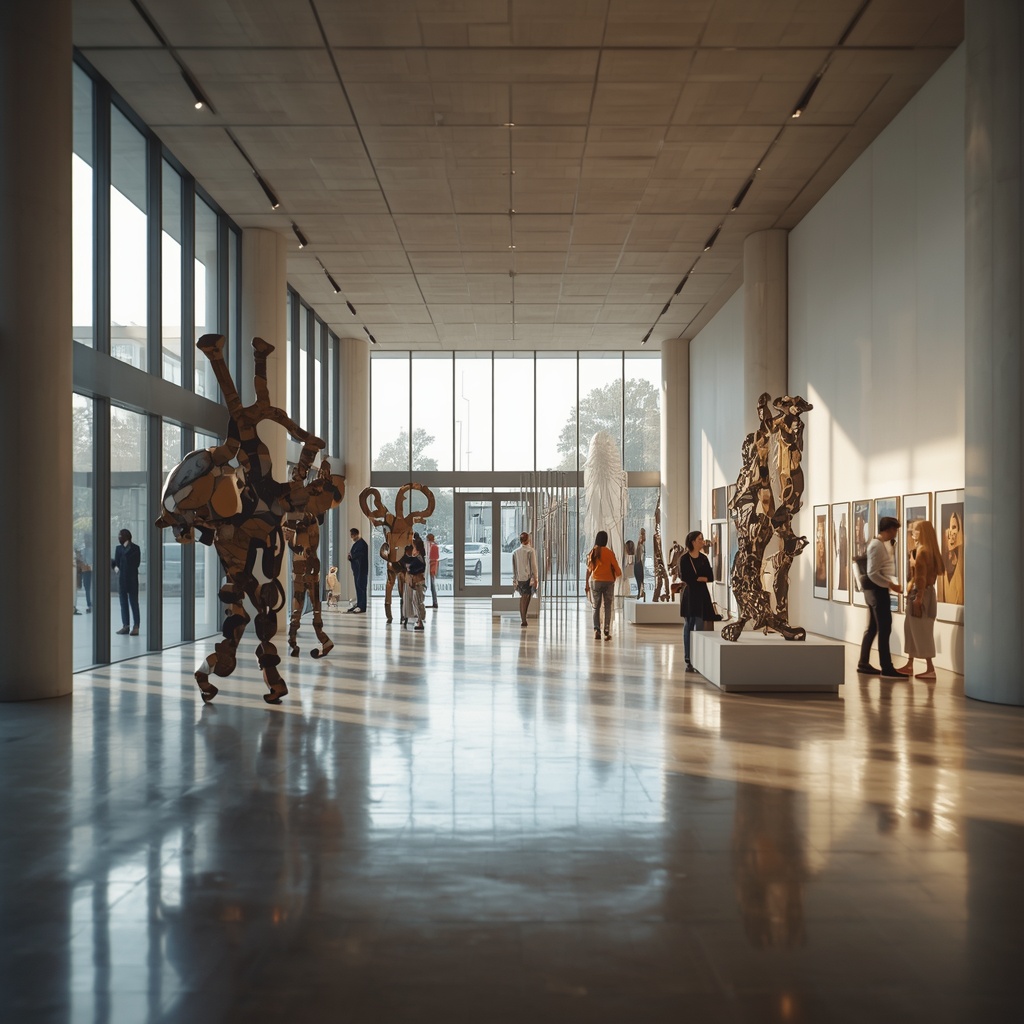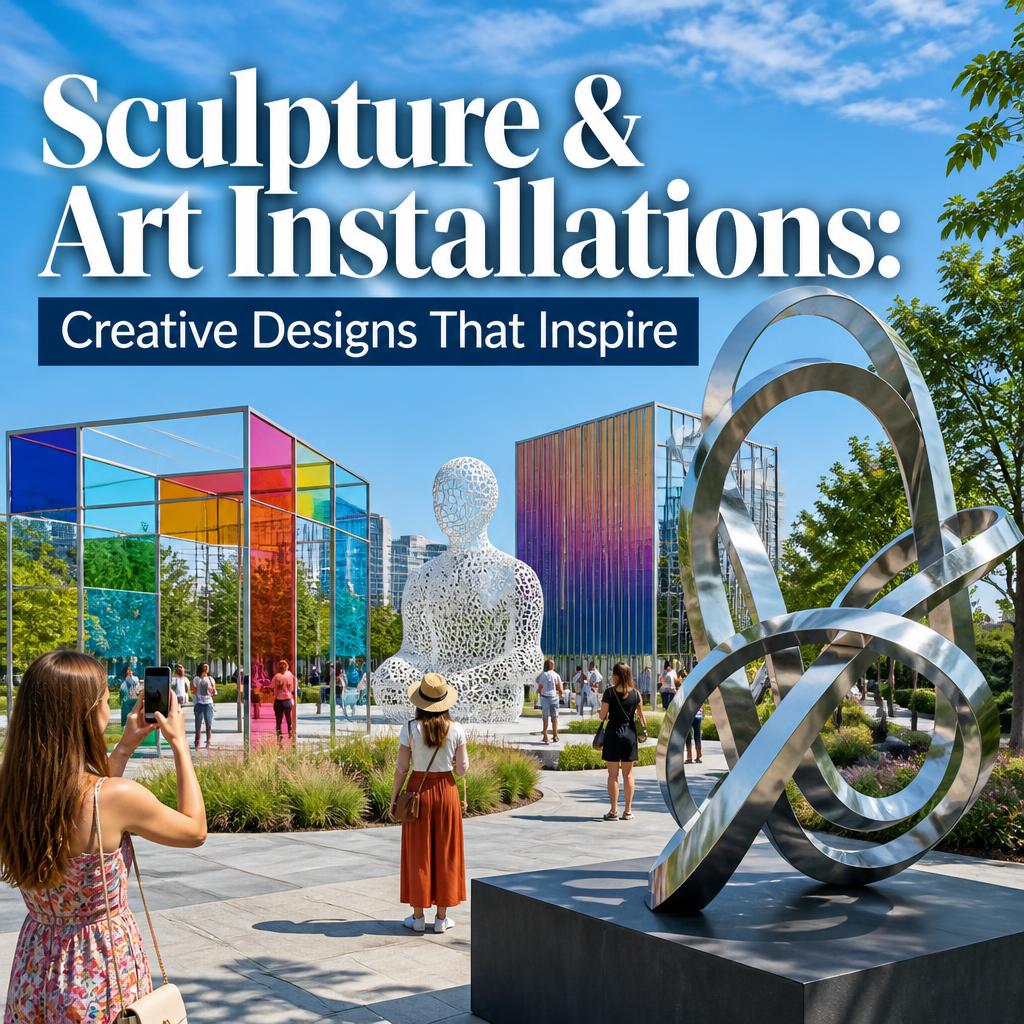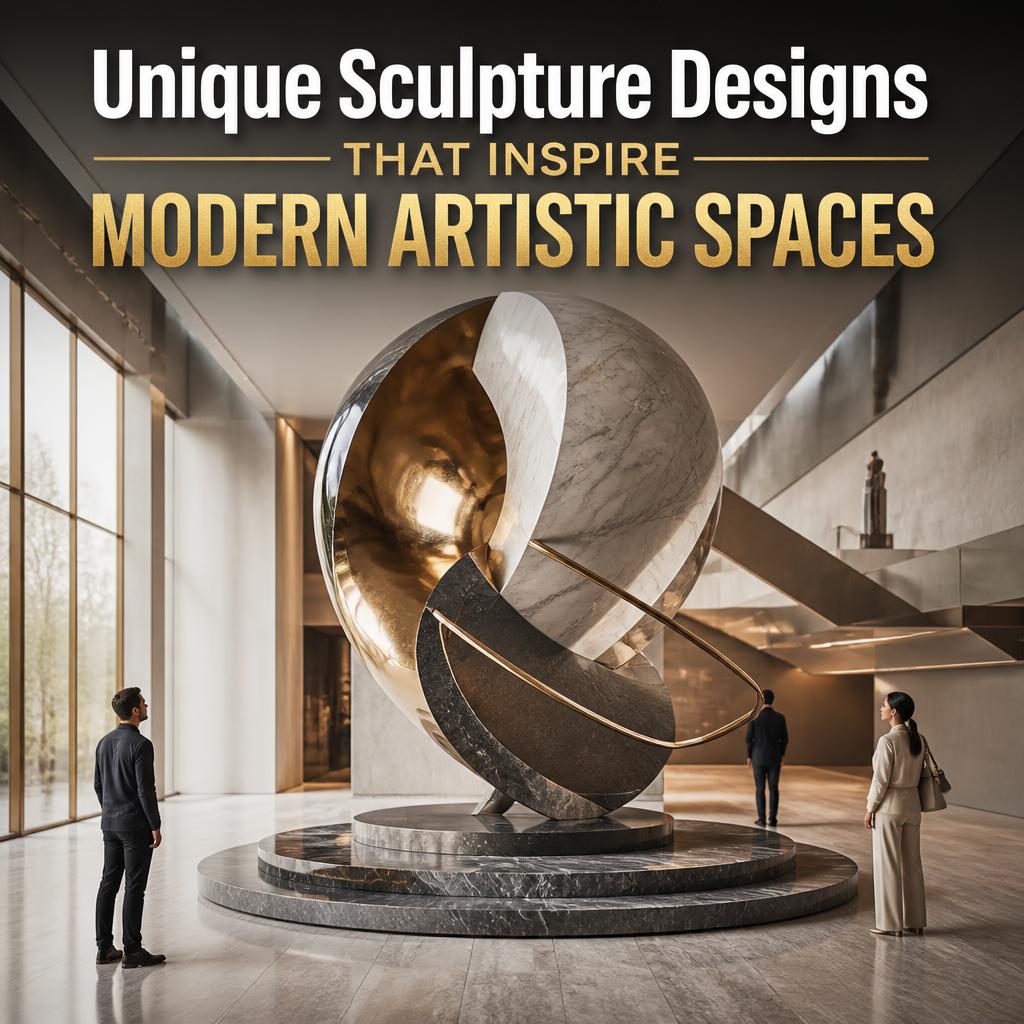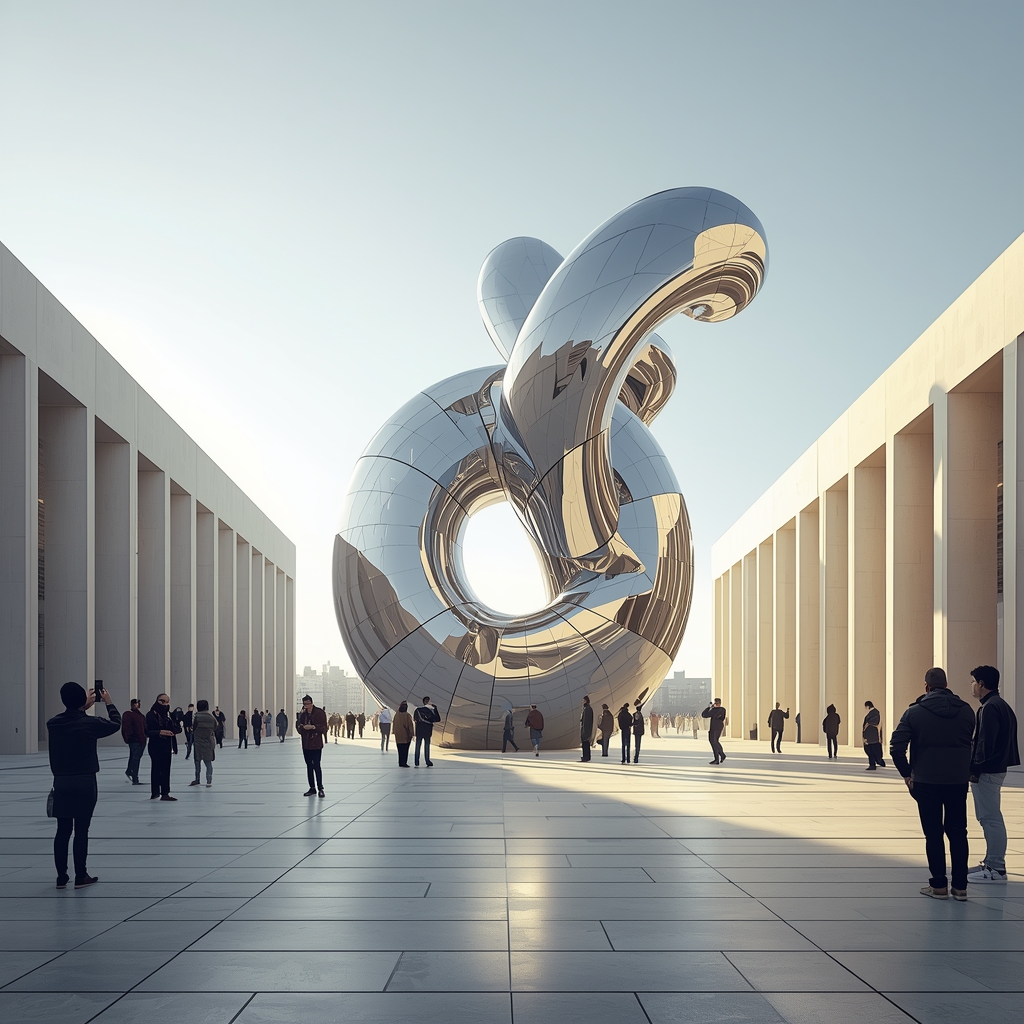
Modern Sculpture & Art Installations: Smart Ways to Transform Spaces into Iconic & High-Value Experiences introduce a fresh way to bring life into spaces through bold, impactful, and meaningful visuals. Today, people no longer decorate spaces just for aesthetics—they intentionally create immersive visual experiences that leave lasting impressions.
What Are Sculpture & Art Installations?
First, let’s break down the basics. A sculpture is a three-dimensional artwork that you can view from multiple angles. Meanwhile, art installations are designed to occupy and interact with a specific space. – statue-duodesign
In other words, sculptures emphasize the object itself, while installations focus on the spatial experience. As a result, many creators combine both to produce a more powerful and cohesive impact.
Who Needs Sculpture & Art Installations?
Today, it’s not just artists who use these works. In fact, various industries actively incorporate them for different purposes.
For example:
- Business owners aim to attract visitors
- Property developers want to increase asset value
- Brands seek stronger visual identity
- Event organizers create memorable experiences
So, anyone who wants to stand out visually can leverage sculpture and art installations.
Where Are Sculpture & Art Installations Most Effective?
Next, location plays a crucial role. When you place artwork strategically, you amplify its impact significantly.
Indoor Spaces
Common choices include:
- Hotel lobbies
- Shopping malls
- Creative offices
- Art galleries
Outdoor Spaces
On the other hand, open areas also work extremely well, such as:
- Public parks
- City spaces
- Tourist landmarks
- Building exteriors
The more visible the placement, the greater the attention it attracts.
When Is the Best Time to Use Art Installations?
Timing also matters. Typically, people use installations during:
- Grand openings
- Major events
- Brand rebranding
- Art festivals
However, many brands now treat them as long-term investments rather than temporary displays. This way, they build a consistent and lasting identity.
Why Are Sculpture & Art Installations Important?
If you’re wondering why these works matter, the reasons are clear.
First, they instantly capture attention.
Second, they significantly enhance spatial aesthetics.
Third, they create unique and memorable experiences.
Fourth, they encourage social media engagement.
Finally, they help build strong brand identity.
Therefore, you gain both visual appeal and strategic value.
How to Create Compelling Sculpture & Art Installations
Now, let’s get practical and break down how to create effective pieces.
1. Define a Clear Concept
First of all, establish a strong concept. Without it, the result will feel ordinary.
2. Understand Your Target Audience
Next, identify who will interact with the artwork. This helps you align the style and message.
3. Choose the Right Materials
Then, select materials carefully:
- Metal creates a modern feel
- Wood brings warmth
- Glass adds elegance
- Mixed materials deliver uniqueness
4. Balance Scale and Proportion
After that, adjust the size to fit the space. Too small gets lost; too large overwhelms the environment.
5. Maximize Lighting Effects
Finally, use lighting strategically. Proper lighting enhances details and creates dramatic effects.
Popular Types of Sculpture & Art Installations
To expand your perspective, here are common types:
Classical Sculpture
Artists typically create realistic forms suitable for formal spaces.
Interactive Installations
In addition, these allow visitors to engage directly, making the experience more dynamic.
Digital Installations
Furthermore, technologies like LED and motion sensors create futuristic impressions.
Conceptual Installations
On the other hand, these focus more on message than physical form.
Current Trends in Sculpture & Art Installations
As time evolves, trends shift as well. Currently, the most notable trends include:
- Sustainable Art using eco-friendly materials
- Immersive Installations offering full experiences
- Light-Based Art focused on illumination
- AI and digital integration
- Minimalist designs
By following these trends, you stay relevant and visually appealing.
Tips to Maximize Visual Impact
To achieve standout results, apply these strategies:
- Use contrasting colors
- Create a clear focal point
- Add surprising elements
- Blend with the surrounding environment
- Ensure the artwork is photo-friendly
With these steps, your work has a higher chance of going viral.
Common Mistakes to Avoid
However, avoid these frequent pitfalls:
- Lack of clear concept
- Poor placement
- Weak material durability
- Ignoring lighting
- Overcomplicated design
Avoiding these mistakes will significantly improve your results.
The Future of Sculpture & Art Installations
Looking ahead, the art world will become even more dynamic. Creators increasingly merge art with technology.
As a result, people won’t just see art—they will experience it. In fact, future installations will become more interactive and personalized.
How to Start a Sculpture & Art Installation Project
If you’re ready to begin, follow these steps:
- Define your project goal
- Research relevant references
- Develop a visual concept
- Choose artists or creative teams
- Set a budget
- Execute and evaluate
With this approach, you can start small and scale over time.
Modern Sculpture & Art Installations: Smart Ways to Transform Spaces into Iconic & High-Value Experiences offer powerful opportunities to create engaging, memorable, and visually striking environments. Therefore, if you want to elevate both aesthetics and brand identity, now is the perfect time to fully leverage sculpture and art installations.