Sculpture & Art Installations: Inspiring Spaces Through Creative Design continue to transform public spaces, private collections, and cultural venues by blending creativity, storytelling, and visual impact into memorable experiences.
How Contemporary Sculptures and Installations Shape Modern Environments
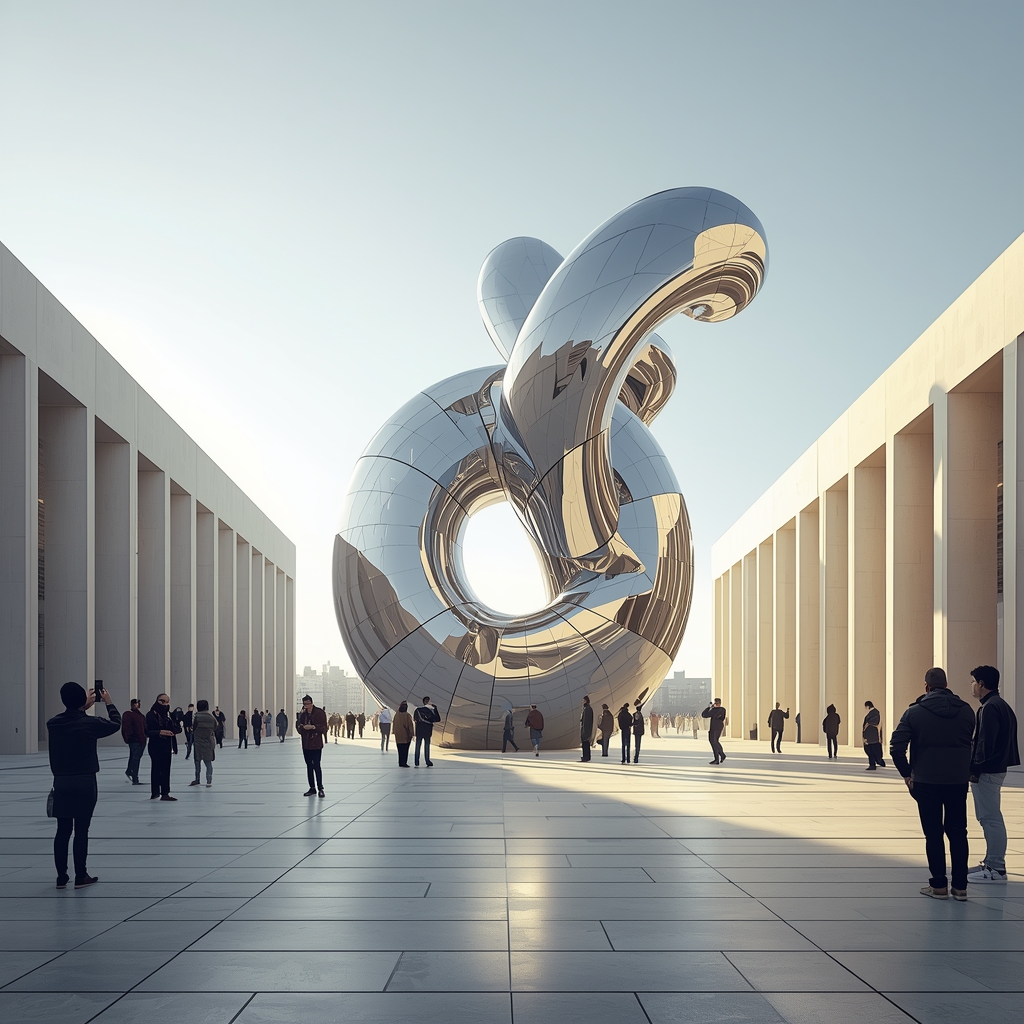
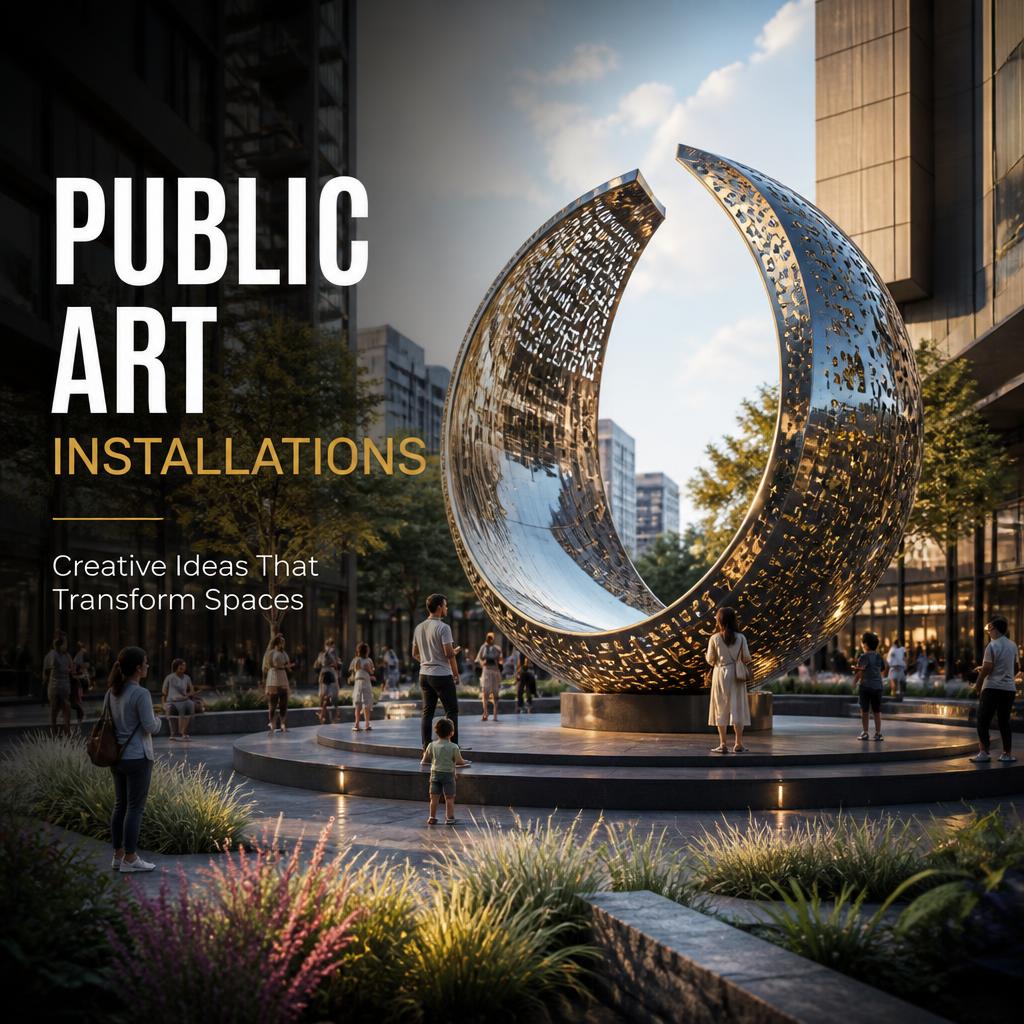
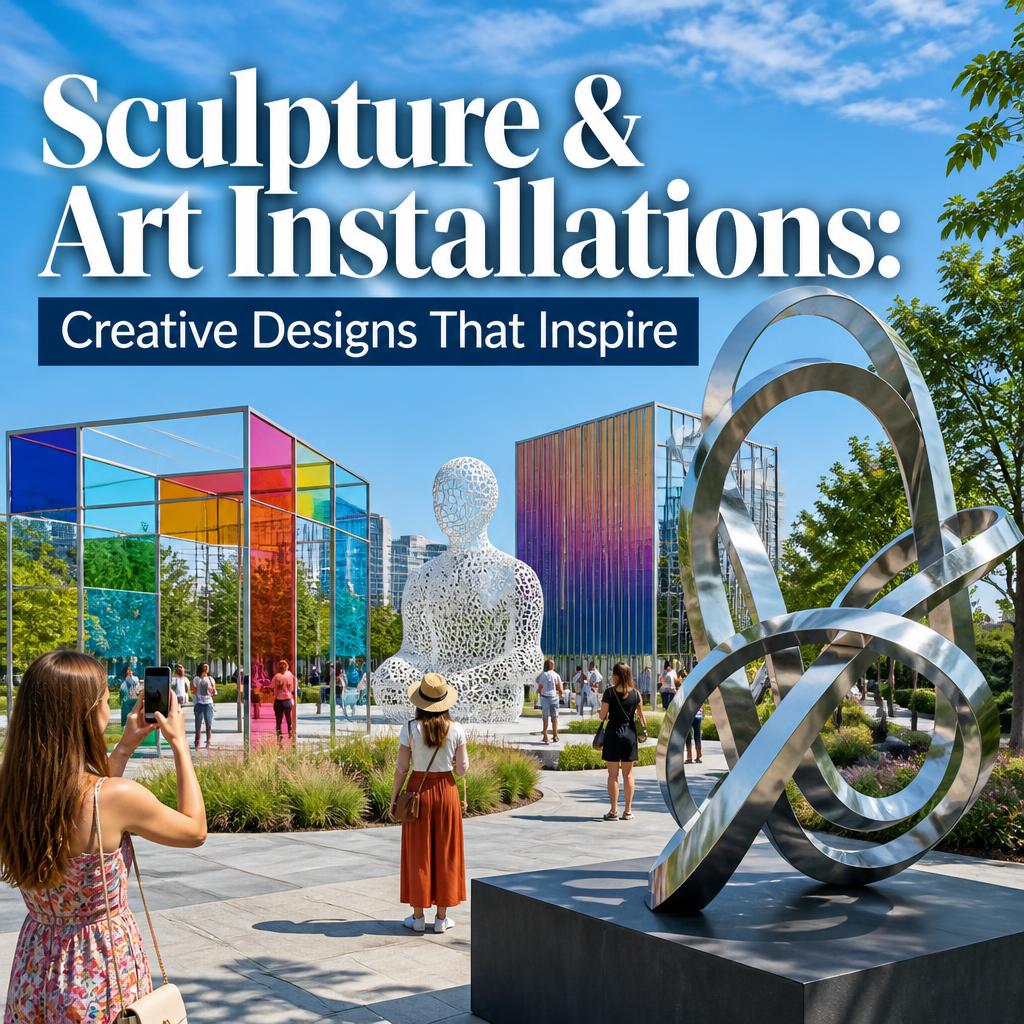
statue-duodesign – Art is no longer confined to museum walls. Today, sculptures and large-scale installations appear in parks, business districts, galleries, campuses, and even residential developments. These artistic creations do more than decorate a location—they spark conversations, create emotional connections, and redefine how people interact with a space.
What Are Sculpture & Art Installations?
Sculptures are three-dimensional artworks crafted from materials such as stone, metal, wood, glass, or mixed media. Art installations, on the other hand, are immersive artistic environments designed to transform a specific area and engage viewers in unique ways.
While sculptures often stand alone as individual pieces, installations typically combine multiple elements, including light, sound, movement, and digital technology.
The Key Difference Between Sculptures and Installations
- Sculptures focus on a standalone artistic object.
- Installations emphasize the relationship between artwork, space, and audience.
- Installations are often temporary, while sculptures may remain permanently displayed.
Why Sculpture & Art Installations Matter Today
Modern audiences seek experiences rather than passive observation. As a result, artistic spaces have evolved to encourage participation and engagement.
Art installations can:
- Enhance public spaces
- Support cultural identity
- Encourage tourism
- Promote community interaction
- Create memorable visitor experiences
Because of these benefits, cities and organizations increasingly invest in public art projects.
Who Creates Large-Scale Art Installations?
Artists, architects, designers, engineers, and fabricators often collaborate to bring ambitious concepts to life.
The Collaborative Process
Creating a major installation involves several stages:
Concept Development
Artists begin by exploring themes, messages, and audience interaction.
Design and Engineering
Technical experts ensure the structure is safe, durable, and feasible.
Fabrication and Installation
Materials are sourced, components are manufactured, and the artwork is assembled on-site.
This collaborative approach allows creative visions to become reality while maintaining structural integrity.
Where Are Sculpture & Art Installations Commonly Found?
Public art appears in a variety of settings, including:
- Urban plazas
- Museums and galleries
- Universities
- Corporate headquarters
- Hotels and resorts
- Parks and gardens
- Cultural festivals
Many destinations use public sculptures to establish recognizable landmarks and strengthen local identity.
When Did Installation Art Become Popular?
Although sculptures have existed for thousands of years, installation art gained significant momentum during the late twentieth century.
Artists began experimenting with environments rather than isolated objects. Consequently, audiences became active participants instead of simple observers.
Today, technological advancements continue to push the boundaries of what installation art can achieve.
Popular Materials Used in Contemporary Sculpture
The choice of material significantly influences the final appearance and meaning of a work.
Traditional Materials
- Marble
- Bronze
- Wood
- Clay
Modern Materials
- Stainless steel
- Acrylic
- Resin
- Recycled materials
- LED lighting
- Digital components
Many contemporary artists combine traditional craftsmanship with innovative materials to create striking visual effects.
How Technology Is Transforming Art Installations
Technology has dramatically expanded artistic possibilities.
Interactive installations now incorporate:
- Motion sensors
- Projection mapping
- Artificial intelligence
- Augmented reality
- Sound engineering
- Responsive lighting systems
These innovations allow visitors to influence and interact with artworks in real time, creating personalized experiences.
The Role of Public Art in Community Development
Public art often serves as a catalyst for economic and cultural growth.
Neighborhoods featuring notable sculptures and installations frequently experience increased visitor traffic and stronger community engagement. Moreover, artistic landmarks can become iconic symbols that attract attention from around the world.
For organizations seeking cultural impact, innovative public sculpture design solutions provide valuable opportunities to create meaningful spaces that resonate with diverse audiences.
Sustainability in Modern Sculpture Projects
Environmental awareness has become increasingly important within the art world.
Sustainable Practices
Artists now focus on:
- Recycled materials
- Renewable resources
- Energy-efficient lighting
- Reduced waste production
- Environmentally conscious fabrication methods
These practices help align artistic expression with broader sustainability goals.
Future Trends in Sculpture & Art Installations
Several emerging trends are shaping the future of contemporary art:
- Interactive digital experiences
- Smart technology integration
- Eco-friendly materials
- Immersive storytelling
- Large-scale experiential environments
As audiences continue seeking deeper engagement, installations will likely become even more dynamic and participatory.
FAQ About Sculpture & Art Installations
What is the purpose of an art installation?
An art installation aims to transform a space and create an immersive experience that encourages interaction, reflection, or emotional engagement.
How long do art installations typically last?
Some installations are temporary and exist only for days or months, while others become permanent features of public spaces.
Are sculptures considered installation art?
Not always. A sculpture can exist independently, whereas installation art typically depends on its surrounding environment and audience interaction.
What materials are most commonly used in contemporary sculptures?
Common materials include steel, bronze, wood, resin, glass, recycled materials, and mixed-media components.
Why do cities invest in public sculptures?
Cities use public art to enhance cultural identity, attract tourism, improve public spaces, and encourage community engagement.
Can technology be part of an art installation?
Yes. Many modern installations incorporate digital projections, sensors, sound systems, and interactive technologies.
Sculpture & Art Installations: Inspiring Spaces Through Creative Design demonstrate how art can transform ordinary environments into extraordinary experiences. By combining creativity, technology, and thoughtful design, sculptures and installations continue to shape communities, inspire audiences, and redefine the relationship between people and the spaces they inhabit.