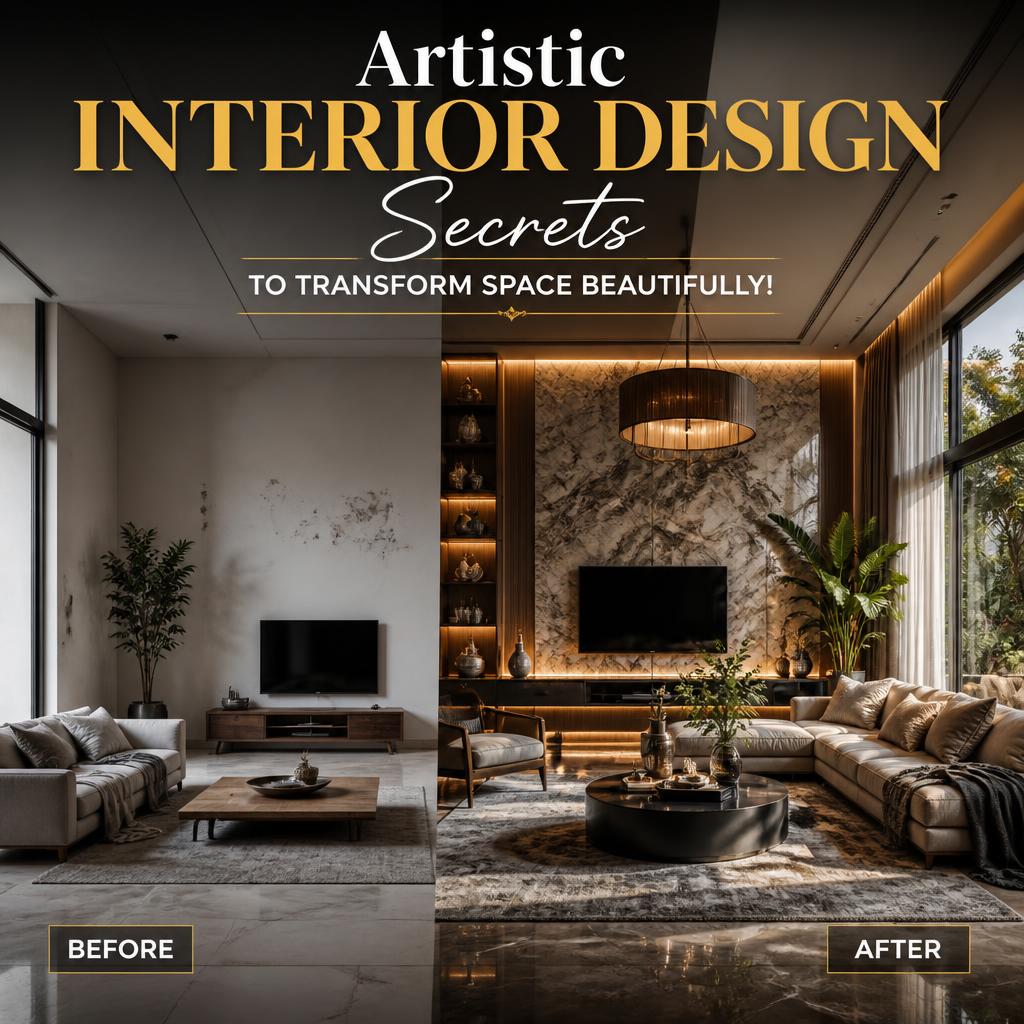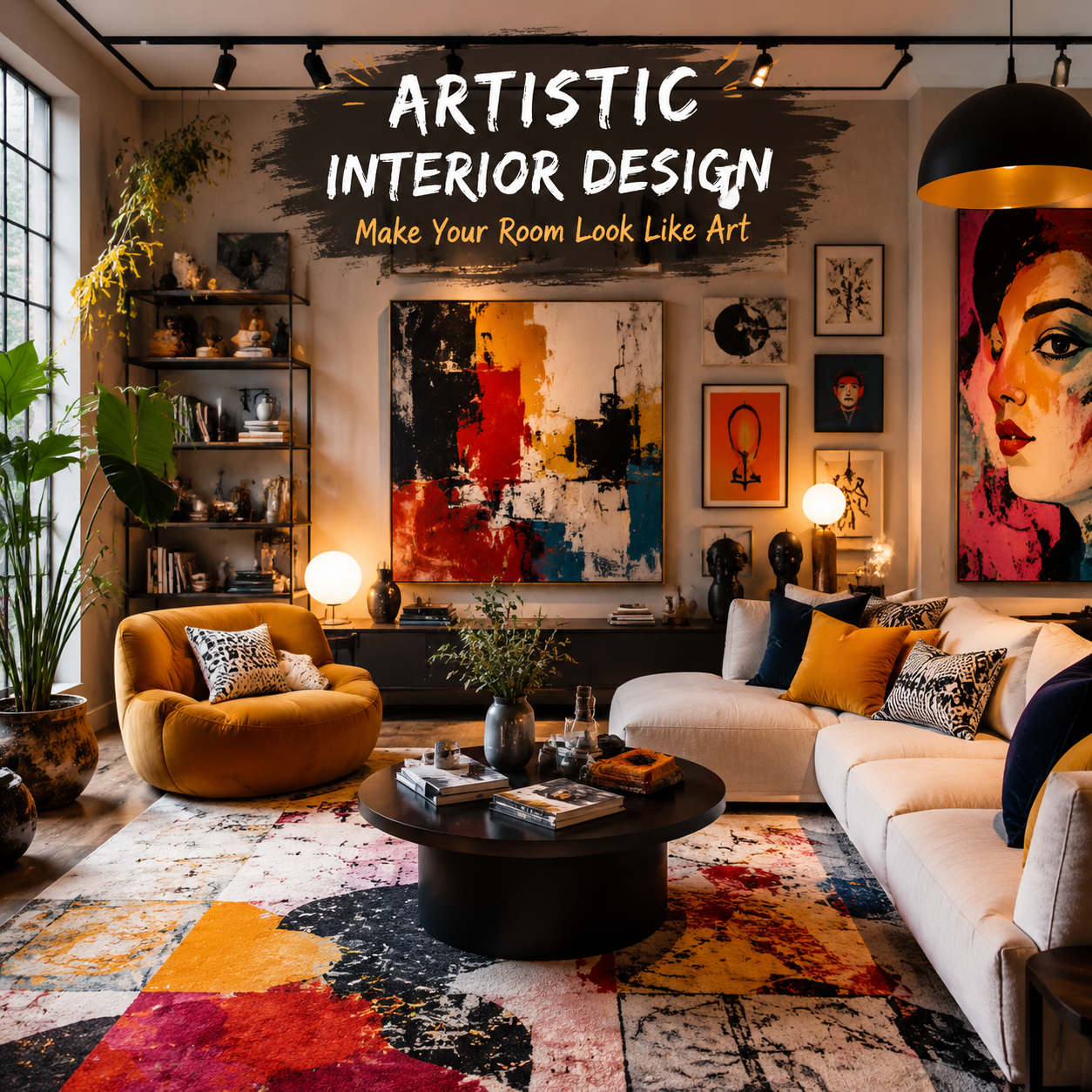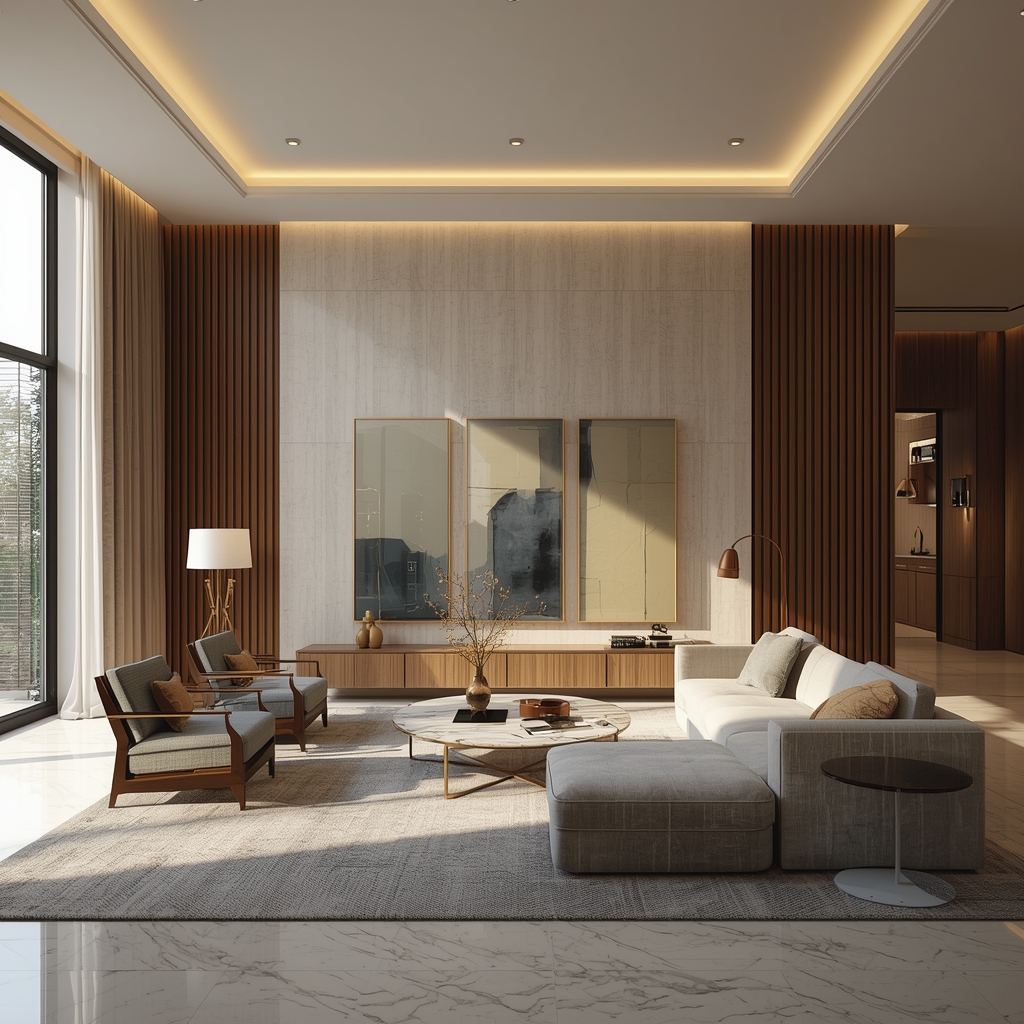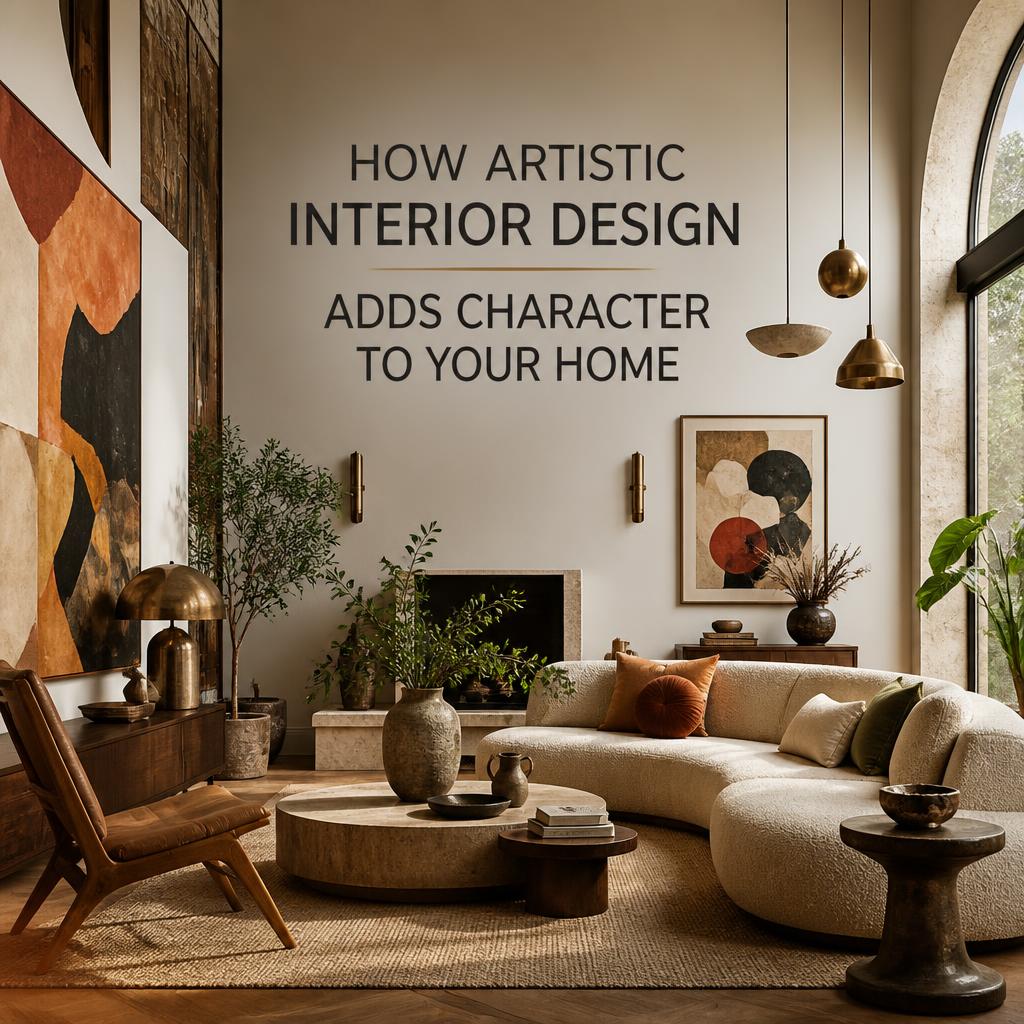
statue-duodesign.com – How Artistic Interior Design Adds Character to Your Home is more than a question of choosing stylish furniture or hanging a few paintings on an empty wall. Artistic interiors bring together color, texture, craftsmanship, personal stories, and creative expression to make a home feel genuinely lived in. Instead of looking like a showroom, the space develops a personality that reflects who lives there, what they appreciate, and how they want to feel when they walk through the door.
The best part? You don’t need an enormous budget or a collection of expensive artwork. A thoughtful mix of everyday objects, unusual materials, meaningful pieces, and confident design decisions can completely change the atmosphere.
What Is Artistic Interior Design?
Artistic interior design treats a room almost like a three-dimensional composition. Furniture, lighting, artwork, architecture, and decorative details work together rather than existing as separate elements.
Unlike interiors built entirely around trends, an artistic home usually feels more individual. It might feature a handmade ceramic bowl beside a modern lamp, an oversized abstract painting above a vintage console, or an unexpected wall color that ties several objects together.
In design language, concepts such as balance, rhythm, proportion, and visual hierarchy help organize these elements. However, the finished room does not have to feel overly calculated. In fact, some of the most interesting spaces have a slightly imperfect quality.
Why Character Matters in Home Interior Design
A beautiful room can still feel forgettable. Character is what makes someone enter a space and immediately sense that there is a story behind it.
Think about two living rooms with identical sofas and similar layouts. One contains only coordinated furniture from the same collection. The other includes family photographs, a sculptural lamp, books collected over the years, locally made pottery, and an unusual rug discovered while traveling.
Which one would you remember?
Character creates emotional depth. It transforms decoration into something personal while helping a home evolve naturally over time.
Personality Creates a Stronger Visual Identity
Who lives in the home should influence how it looks. Someone interested in music might display vinyl records or instruments, while an enthusiastic traveler may decorate with photography, textiles, or handmade objects collected from different places.
These details become part of the home’s visual identity.
Instead of asking, “What is fashionable right now?” try asking, “What would I still enjoy seeing five years from now?”
That simple shift often produces a more authentic interior.
Using Artwork as a Natural Focal Point
Artwork offers one of the easiest ways to introduce character without changing the entire room.
A large canvas can establish a strong focal point above a sofa, bed, or dining table. Meanwhile, smaller pieces can form a relaxed gallery wall that gradually grows as you discover new work.
You don’t have to limit yourself to traditional paintings either. Photography, illustrations, textile art, sculptures, ceramics, handmade prints, and mixed-media pieces can all contribute to an artistic environment.
Choose Art for Connection, Not Just Coordination
It is tempting to buy artwork because its colors perfectly match the cushions. Yet artwork becomes far more interesting when you actually connect with it.
Perhaps a photograph reminds you of a particular city. Maybe an abstract work simply makes you feel energized. A handmade object could come from an artist whose process you admire.
That emotional connection gives the piece lasting value beyond decoration.
Give Important Pieces Enough Breathing Room
Not every wall needs something hanging on it.
Negative space—the intentionally empty area surrounding an object—allows important pieces to receive attention. Crowding several dramatic elements together can weaken their impact, while leaving some visual breathing room creates a calmer composition.
Mixing Textures for a Richer Interior
Texture is sometimes overlooked because people naturally focus on color first. Yet it plays a huge role in how a room feels.
Imagine a living room containing smooth stone, soft linen, rough timber, polished metal, woven wool, and handmade ceramics. Even with a relatively neutral palette, the room can feel layered and sophisticated.
This effect relates partly to tactile perception, or how our senses respond to surfaces and materials.
Combine Natural and Contemporary Materials
One useful approach involves contrasting materials rather than matching everything.
Try combining:
- Raw timber with sleek metal
- Linen upholstery with polished stone
- Handmade ceramics with glass
- Woven textiles with smooth plaster
- Vintage furniture with contemporary lighting
The contrast prevents a room from feeling overly predictable.
Creative Color Choices Can Change the Mood
Color affects more than appearance. It can influence how energetic, intimate, spacious, or relaxing a room feels.
Warm shades such as terracotta, ochre, rust, and muted red often create a cozy atmosphere. Cooler tones such as blue and soft green can feel peaceful, while darker shades bring drama and intimacy.
The concept of color psychology explores these emotional associations, although individual reactions can vary considerably.
Start Small When Experimenting With Bold Colors
Not ready for a dramatic emerald-green living room? That’s perfectly fine.
Introduce stronger shades through cushions, artwork, rugs, lamps, ceramics, or one accent wall. These smaller additions let you experiment without making a major commitment.
Once you understand which combinations feel comfortable, you can gradually become more adventurous.
Statement Furniture Turns Function Into Art
Furniture does not have to disappear into the background.
A sculptural chair, handcrafted dining table, unusual sideboard, or curved sofa can function almost like artwork while remaining practical. One distinctive piece is often enough to give an otherwise simple room a clear identity.
The trick is avoiding competition between too many statement objects. When everything demands attention, nothing truly stands out.
Instead, let one or two pieces lead the composition while quieter furnishings support them.
Lighting Adds Drama and Artistic Depth
Lighting can completely alter how colors, materials, and artwork appear.
Natural daylight reveals texture beautifully, while carefully positioned artificial lighting creates atmosphere after sunset. Rather than depending solely on one ceiling fixture, artistic interiors usually benefit from several layers of illumination.
Build Layers of Light Throughout the Room
Start with ambient lighting for general brightness. Add task lighting near desks, kitchen counters, or reading chairs. Finally, use accent lighting to emphasize paintings, architectural features, sculptures, or textured walls.
This layered method creates depth and allows the mood to change depending on the time of day.
A sculptural pendant or unusual floor lamp can also become a decorative feature in its own right.
Vintage and Handmade Pieces Bring Instant Personality
Perfectly coordinated furniture can look polished, but sometimes it also feels a little too polished.
Vintage and handmade objects introduce variation, history, and visible craftsmanship. A weathered wooden cabinet, hand-thrown vase, old mirror, or locally produced textile has characteristics that mass-produced items rarely reproduce exactly.
Small imperfections are often part of the appeal.
A concept related to the Japanese philosophy of wabi-sabi celebrates beauty found in imperfection, simplicity, and natural aging. You do not need to adopt the entire philosophy to appreciate the warmth that imperfect materials can bring.
Mix Old and New Instead of Choosing One Style
An artistic interior does not have to belong to one particular era.
Place a contemporary painting above an antique cabinet. Pair a vintage chair with a minimalist desk. Add modern lighting to a room with traditional architectural details.
These contrasts create visual tension, and that tension often makes the space more memorable.
Personal Collections Tell a Story
Books, photographs, records, travel souvenirs, ceramics, and inherited objects can become powerful design elements when displayed thoughtfully.
Rather than hiding everything inside storage cabinets, choose meaningful pieces and arrange them intentionally.
A bookshelf, for instance, does not need to contain books alone. Mix literature with framed photographs, small sculptures, plants, or collected objects. Varying their heights and shapes creates a more relaxed composition.
The goal is not to display every possession. Curating matters more than quantity.
Artistic Interior Design Works in Small Spaces Too
You certainly don’t need a huge house to create character.
In a compact apartment, every decorative choice simply becomes more visible. A bold artwork, unusual chair, patterned rug, or sculptural lamp can establish personality without consuming much floor area.
Vertical surfaces become especially valuable. Shelving, wall-mounted artwork, tall mirrors, and hanging plants allow creativity without creating clutter.
Use Scale With Confidence
People often assume small rooms require tiny furniture and miniature artwork. Surprisingly, one oversized piece can sometimes make a compact space feel more intentional.
A large painting above a modest sofa, for example, creates a strong focal point while reducing the need for numerous smaller decorations.
How to Keep an Artistic Home From Looking Cluttered
Creative does not have to mean chaotic.
Before adding another decorative object, look at the room as a whole. Consider its visual weight: where does your eye naturally travel, and which area already feels busy?
Leave quieter areas between stronger design moments. Repeat a few colors or materials across the room to create continuity. Most importantly, resist filling empty spaces simply because they are empty.
A little restraint helps unusual objects receive the attention they deserve.
Edit the Room as Your Style Evolves
Homes are rarely finished forever.
Move artwork around. Rotate decorative objects. Replace textiles seasonally. Bring something out of storage when another piece begins to feel tired.
This ongoing editing process allows the interior to develop alongside your interests rather than becoming frozen in one particular trend.
Creating an Artistic Home That Feels Like You
The most compelling artistic interiors usually aren’t the ones following every design rule perfectly. They are the spaces where choices feel intentional, personal, and slightly unexpected.
Start with objects you genuinely enjoy. Experiment with contrasting textures, meaningful artwork, expressive lighting, distinctive furniture, and colors that create the atmosphere you want. Then give everything enough space to breathe.
Ultimately, How Artistic Interior Design Adds Character to Your Home comes down to turning ordinary rooms into personal environments filled with creativity, memories, and visual interest. When your interior reflects your experiences instead of simply copying a trend, your home gains something no catalog can provide: a character that belongs entirely to you.