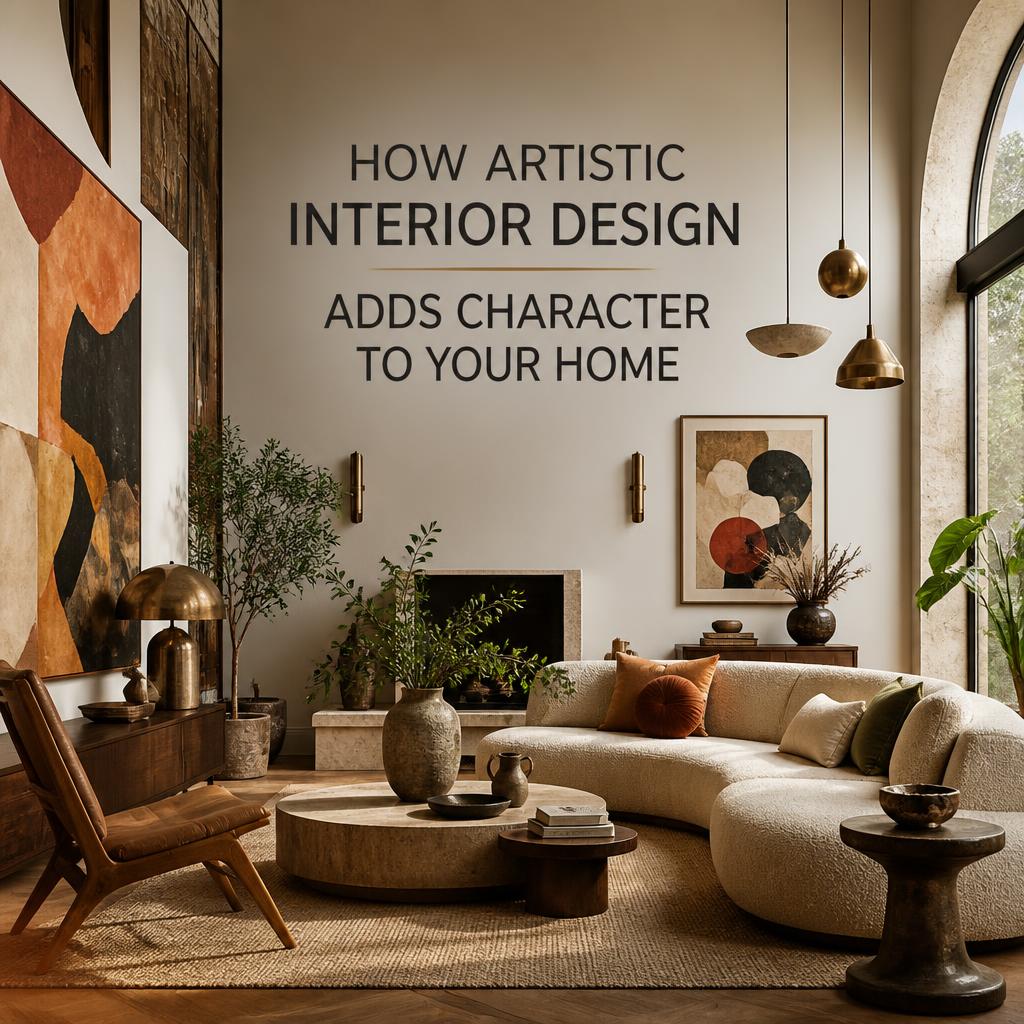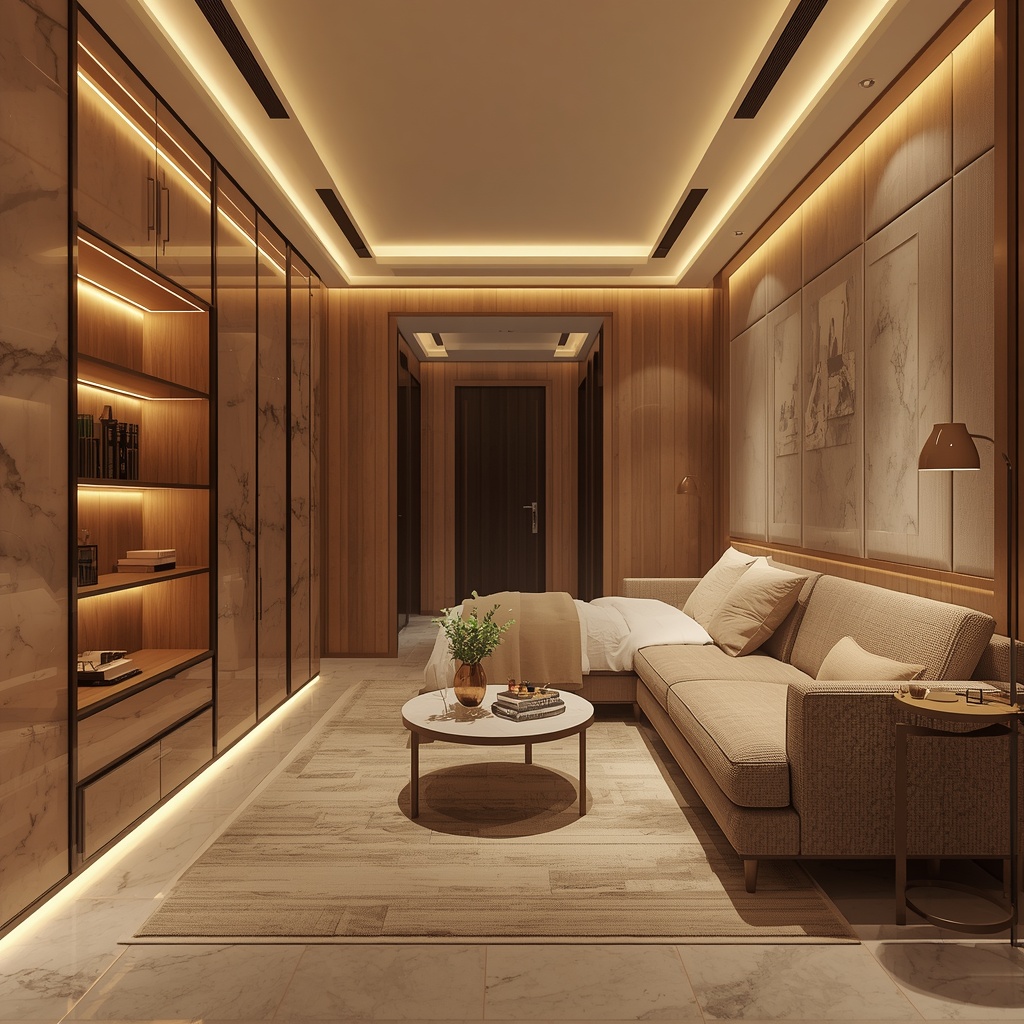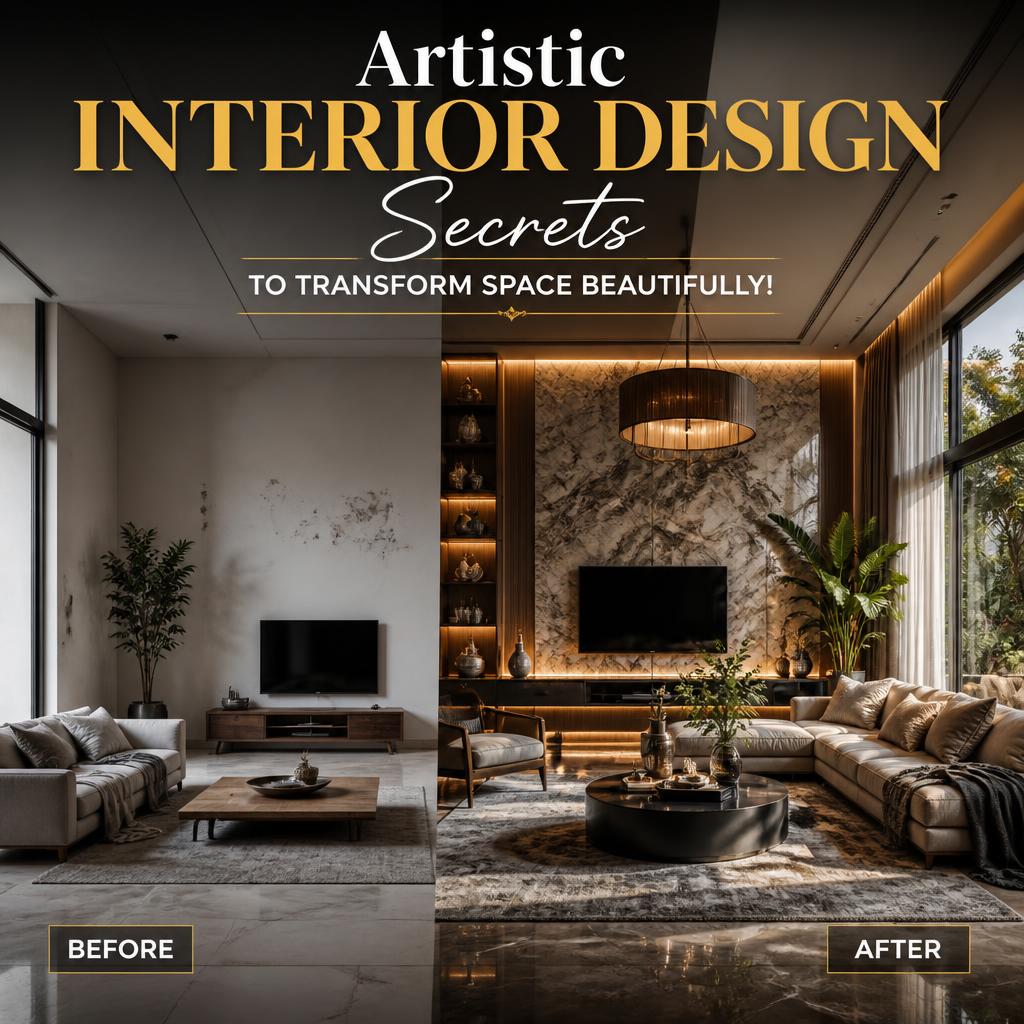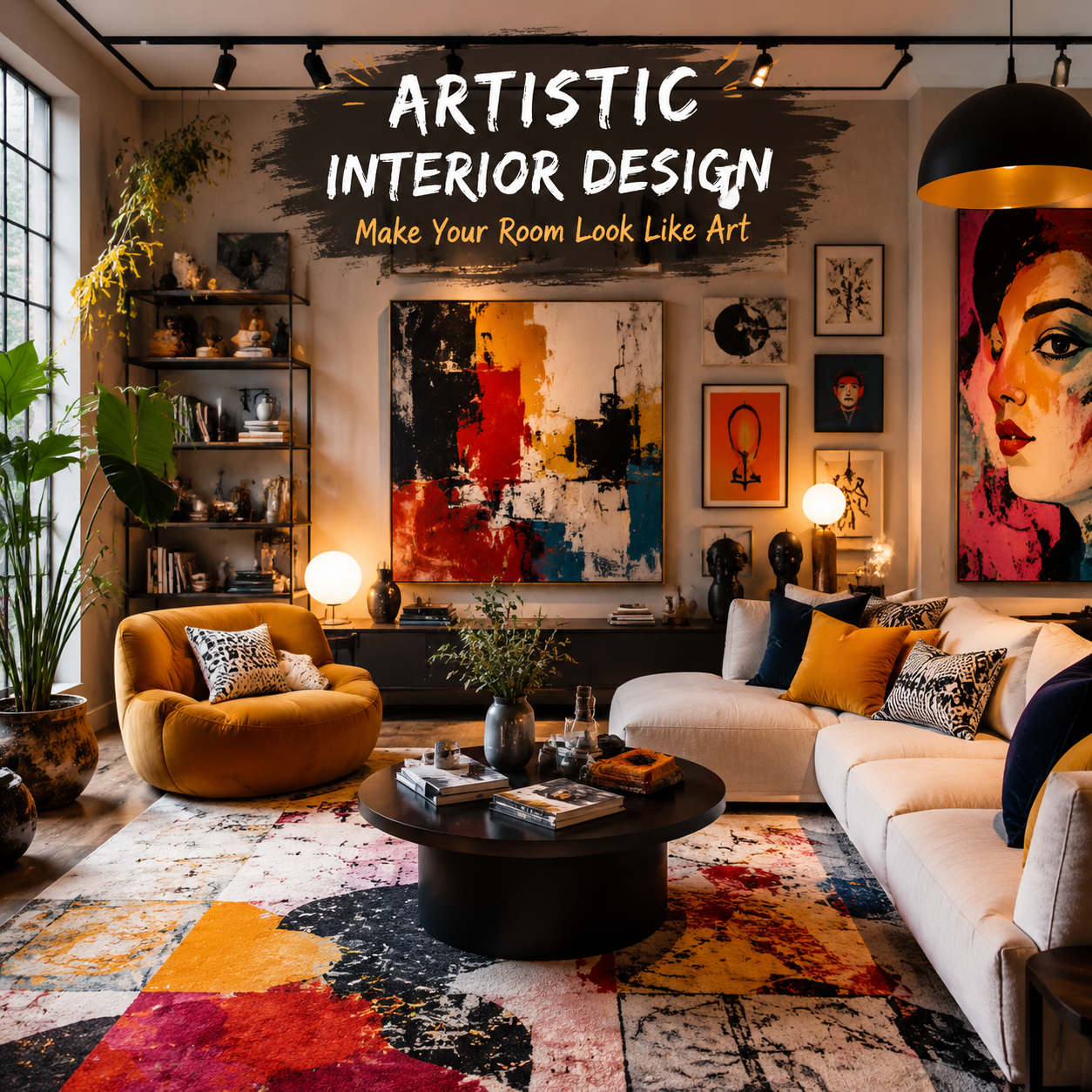
statue-duodesign – Artistic Interior Design Chaos: Make Your Room Look Like Art sounds like a dramatic phrase, but in reality it describes a growing lifestyle trend where homes stop being “just functional spaces” and start behaving like living artworks. The idea mixes creativity, personality, and a bit of controlled disorder that somehow feels visually stunning rather than messy. In this article, everything is broken down in a casual way so it feels like a conversation rather than a lecture, covering what it is, who it’s for, where it works best, when to apply it, why people love it, and how to actually build it in real life.
What is Artistic Interior Design?
Artistic interior design is basically the fusion of interior architecture with visual art principles. It borrows ideas from fine art composition, color theory, and even psychology of space perception. Instead of focusing only on furniture placement, it emphasizes emotional storytelling through objects, textures, and colors.
Think of it like turning your room into a canvas—except the brushstrokes are your furniture, lighting, and decor choices.
Why People Are Obsessed With This Style
The popularity of this design approach didn’t appear randomly. People want homes that feel personal, not copy-paste catalog versions.
Emotional expression matters
Homes are becoming emotional outlets. People want their space to reflect identity, mood, and even life philosophy.
Social media influence
Platforms like Instagram and Pinterest have turned interiors into visual storytelling tools. Aesthetic rooms get attention, engagement, and inspiration sharing.
Escape from minimalism fatigue
After years of strict minimalism, many people feel the need for “controlled chaos” that still looks intentional.
Who Should Try Artistic Interior Design?
Not every style fits everyone, but this one is surprisingly flexible.
Creative professionals
Designers, writers, artists, and content creators thrive in visually stimulating environments.
Personality-driven homeowners
People who enjoy unique items, travel souvenirs, or bold colors often feel at home here.
Experiment lovers
If rearranging furniture feels like therapy, this style will feel like freedom.
Where This Design Works Best
You can apply it almost anywhere, but some spaces benefit more.
- Studio apartments (compact but expressive)
- Creative offices
- Coffee corners or reading spaces
- Living rooms that act as social hubs
The key is not the size of the space, but the intention behind its design.
When to Apply This Style
Timing matters more than people think.
During renovation or moving
A fresh space gives you freedom to experiment without restrictions.
When your personality changes
Lifestyle shifts often demand visual upgrades in your surroundings.
When inspiration hits
Sometimes creativity just kicks in, and that’s the best time to redesign.
How to Build Artistic Interior Design Step by Step
Start with a visual concept
Choose a theme—abstract, vintage-modern mix, or even surrealism-inspired decor.
Layer textures intentionally
Combine materials like wood, metal, fabric, and glass for depth.
Play with lighting
Lighting defines mood. Use warm lamps, directional lights, or even colored LED accents.
Balance chaos and structure
Too much randomness becomes clutter. Keep one or two visual anchors.
Core Elements That Define the Style
Color psychology
Colors influence mood. Chromatic harmony ensures the space feels balanced even when visually bold.
Texture layering
Soft + rough textures create contrast that keeps the eye engaged.
Artistic focal points
Every room needs one “wow” object—like a sculpture, painting, or statement furniture.
Materials and Creative Techniques
Designers often mix unexpected materials:
- Recycled wood for warmth
- Concrete for industrial contrast
- Glass for transparency effects
- Fabric art installations for softness
These combinations follow principles of spatial aesthetics and sensory balance.
The Psychology Behind Artistic Spaces
Human brains react strongly to visual complexity. Studies in environmental psychology suggest that balanced visual stimulation can improve creativity and reduce mental fatigue.
Interestingly, this is where Artistic Interior Design becomes more than decoration—it turns into a tool for mental well-being, helping people feel more inspired in everyday life without realizing it.
Mistakes People Commonly Make
Overdecorating everything
Not every wall needs attention. Empty space is also part of design.
Ignoring color balance
Too many bold tones can overwhelm instead of inspire.
Forgetting functionality
A beautiful room that’s hard to live in defeats the purpose.
Future Trends in Artistic Interiors
The future of interior design is heading toward hybrid creativity.
- AI-assisted room planning (computational design)
- Sustainable art furniture (eco-conscious materials)
- Interactive decor (light-reactive walls, smart textures)
Design is becoming more dynamic, less static, and more responsive to human behavior.
Practical Beginner Tips You Can Use Today
Start small. You don’t need a full renovation.
- Add one statement art piece
- Mix two contrasting textures
- Use ambient lighting instead of harsh white light
- Rearrange furniture for new visual flow
Small changes often create surprisingly large emotional impact.
Artistic interior design isn’t about perfection—it’s about expression, experimentation, and personality coming together in one visual language. When done right, it turns ordinary rooms into emotional experiences that reflect who you are and how you live.
In the end, Artistic Interior Design Chaos: Make Your Room Look Like Art is not just a style idea, but a reminder that your living space can be as creative, imperfect, and alive as you are.