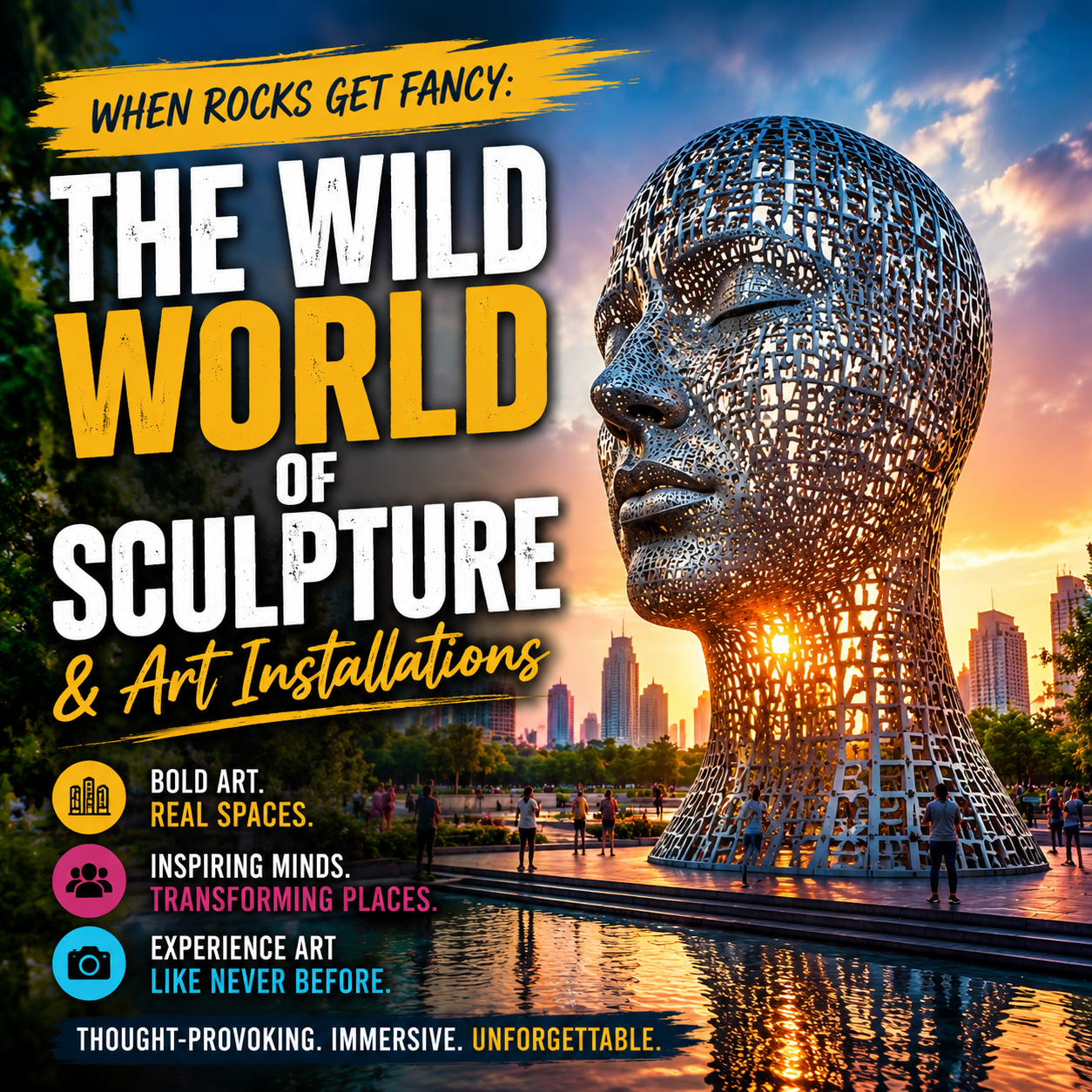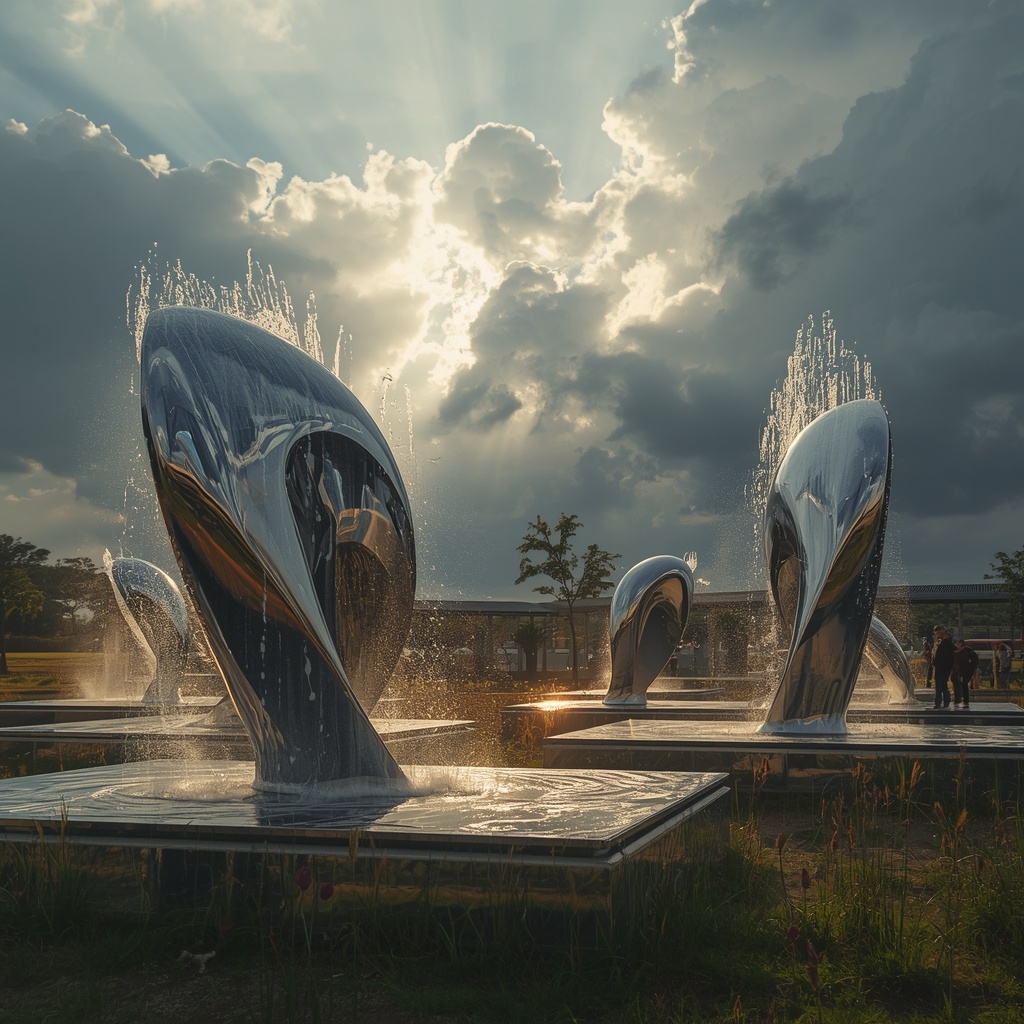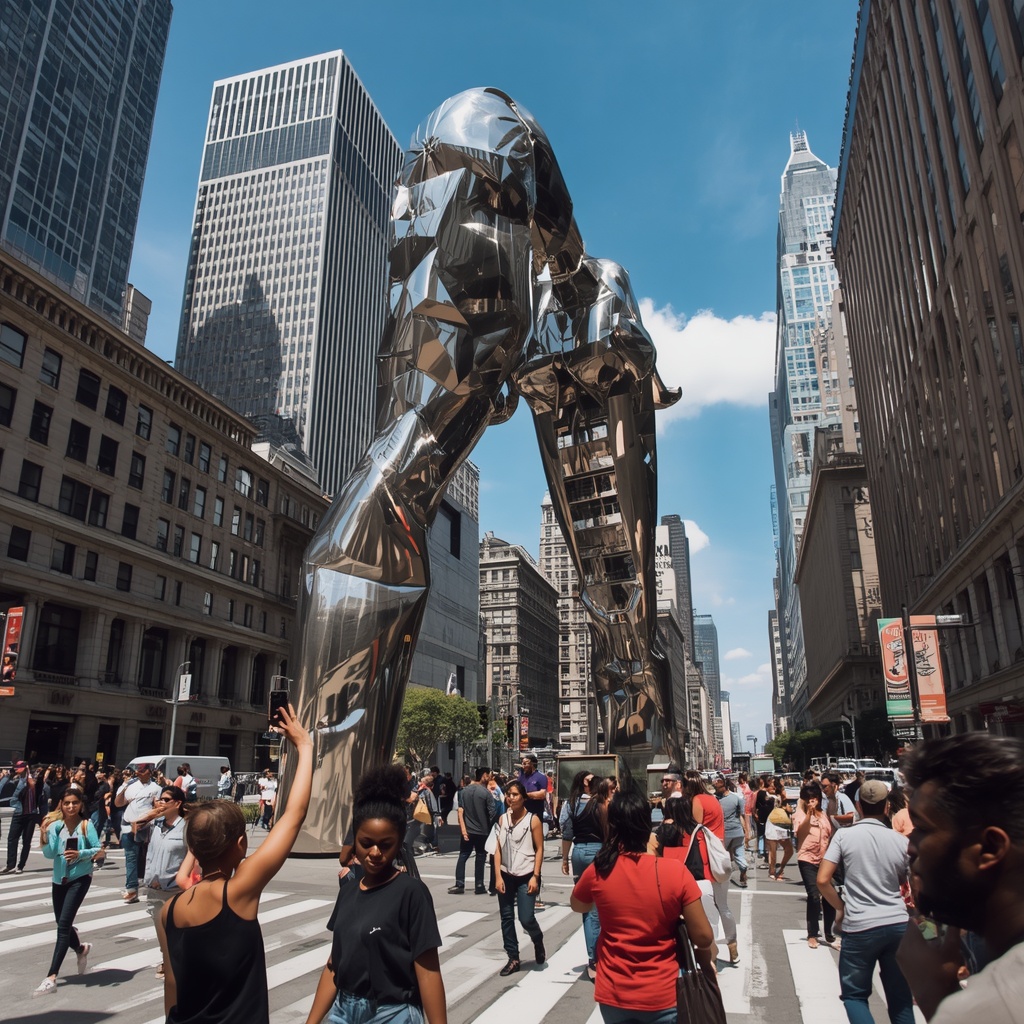
Giant Urban Sculptures That Transform Public Spaces continue to reshape modern cities by turning empty plazas, forgotten corners, and crowded streets into places people genuinely want to explore. In many cases, these monumental artworks transform ordinary urban zones into cultural destinations filled with energy and creativity. – statue-duodesign
From towering steel structures in busy downtown districts to surreal sculptures beside rivers and coastlines, these installations influence how people interact with modern environments. As a result, cities become more visually appealing, more memorable, and more attractive to tourists and residents alike.
Today, urban planners, architects, and artists work together to design sculptures that do more than decorate public spaces. Instead, they create emotional experiences that connect people with the identity of a city.
Why Giant Urban Sculptures Matter More Than Ever
Modern cities constantly compete for global attention. Because of that, many destinations invest heavily in public art that creates lasting impressions.
Large urban sculptures help cities stand out in several ways. For example, they create iconic landmarks, encourage tourism, and generate strong social media exposure. At the same time, they improve the atmosphere of public spaces by making them feel more welcoming and dynamic.
Unlike traditional monuments, modern sculptures often combine architecture, storytelling, and technology into one immersive experience. Consequently, these artworks become gathering spots for both locals and visitors.
The Psychology Behind Monumental Public Art
How Large Sculptures Influence Human Emotion
Scale dramatically changes human perception. When people encounter giant sculptures, they often feel curiosity, amazement, or emotional excitement.
Massive installations naturally attract attention because they interrupt the repetitive rhythm of urban life. In other words, they break the visual monotony created by concrete buildings and crowded streets.
Urban designers also recognize that public art encourages social interaction. For instance, people frequently stop to take photos, talk with friends, or simply observe the artwork together. As a result, giant sculptures help create stronger community connections inside busy cities.
The Evolution of Public Sculptures in Urban Design
From Historical Monuments to Interactive Art
Public sculptures originally focused on political leaders, military victories, and historical figures. However, contemporary urban art has evolved far beyond traditional monuments.
Modern artists now experiment with:
- Reflective materials
- Interactive lighting
- Moving structures
- Environmental themes
- Digital technology
- Immersive experiences
Because of these innovations, giant sculptures appeal to wider audiences and create deeper engagement. Rather than functioning as static objects, many installations invite people to walk through, touch, or interact with them directly.
Famous Giant Urban Sculptures Around the World
Cloud Gate – Chicago
Cloud Gate remains one of the most recognizable urban sculptures in the world. The mirrored surface reflects Chicago’s skyline while simultaneously capturing visitors in distorted, artistic reflections.
Because visitors can walk beneath the sculpture, the experience feels immersive instead of passive. Consequently, the installation transformed Millennium Park into one of Chicago’s most popular tourist destinations.
The Vessel – New York
Vessel combines architecture and sculpture into a futuristic landmark. Its interconnected staircases create multiple viewing angles for visitors.
As visitors climb higher, they experience changing perspectives of the surrounding cityscape. Meanwhile, the structure itself becomes a social attraction where people gather, photograph, and explore.
Maman – Multiple Cities
Maman creates a powerful emotional reaction through its enormous spider-like form. While some viewers feel fascinated, others experience discomfort or tension.
That emotional contrast is intentional. After all, memorable public art often challenges expectations instead of simply looking attractive.
How Giant Sculptures Revitalize Public Spaces
Turning Empty Areas Into Social Hubs
Cities often struggle with neglected public zones that lack activity. Fortunately, giant sculptures can completely change the atmosphere of those locations.
People naturally gather around visually striking landmarks. For example, tourists stop for photos while locals use the space as a meeting point. Over time, nearby cafés, restaurants, and shops also benefit from increased foot traffic.
Because of this ripple effect, many cities now treat public art as part of long-term urban revitalization strategies.
Boosting Tourism and Local Economies
Why Visitors Chase Iconic Urban Landmarks
Modern travelers actively search for unique experiences. Therefore, visually impressive sculptures frequently become the centerpiece of tourism campaigns.
Large urban installations generate economic benefits through:
- Increased tourism
- Hotel demand
- Restaurant traffic
- Retail spending
- Cultural events
- International exposure
In addition, social media dramatically amplifies the popularity of public art. A single viral image can turn an unknown sculpture into a globally recognized attraction almost overnight.
The Role of Technology in Modern Public Sculpture
Smart Lighting and Interactive Features
Technology continues transforming modern public art in exciting ways. Today, many giant sculptures include advanced digital elements that enhance visitor engagement.
LED Integration
Dynamic lighting systems create different moods throughout the day and night. As evening arrives, sculptures often become even more dramatic and visually striking.
Motion Sensors
Some installations respond to movement by triggering sounds, lights, or animations. Because of this interaction, visitors feel more connected to the artwork itself.
Augmented Reality
Cities increasingly experiment with augmented reality experiences linked to public sculptures. Using smartphones, visitors can unlock animations, hidden stories, or digital overlays connected to the installation.
Sustainability in Large Urban Art Installations
Eco-Friendly Materials and Environmental Messaging
Many contemporary artists now prioritize sustainability in public art projects. For that reason, recycled materials and renewable energy systems appear more frequently in giant sculptures.
Environmental themes have also become more common. In fact, many installations focus on topics such as:
- Climate change
- Ocean pollution
- Renewable energy
- Urban sustainability
- Wildlife conservation
As a result, sculptures often function as educational tools alongside their artistic purpose.
Challenges Behind Building Massive Urban Sculptures
Funding and Public Debate
Not everyone agrees on expensive public art investments. While supporters emphasize cultural and economic benefits, critics sometimes argue that cities should prioritize infrastructure or housing instead.
Funding usually comes from a mix of public and private sources. For example, governments, cultural organizations, developers, and tourism boards often collaborate to finance large-scale projects.
Despite the debate, many successful sculptures eventually prove their long-term value through tourism growth and increased public engagement.
Engineering and Safety Concerns
Building giant sculptures requires more than artistic creativity. In reality, engineers must carefully calculate structural stability, weather resistance, and long-term durability.
Large installations must withstand:
- Heavy wind
- Rain and snow
- Earthquakes
- Public interaction
- Pollution exposure
Without proper engineering, maintenance costs can become extremely high over time.
Why Social Media Loves Giant Urban Sculptures
The Instagram Effect on Public Art
Photogenic landmarks dominate online culture today. Because people constantly search for visually unique locations, giant sculptures naturally perform well on social media platforms.
Reflective surfaces, unusual shapes, and immersive environments often generate the most engagement. Consequently, cities increasingly commission sculptures designed to become shareable visual icons.
This trend has completely changed how urban art influences tourism and branding.
The Future of Giant Urban Sculptures
What Tomorrow’s Public Spaces Could Look Like
The future of public art will likely become even more immersive and technology-driven. For instance, upcoming trends may include AI-powered installations, climate-responsive sculptures, and interactive digital environments.
Future urban sculptures may also evolve in real time based on weather, audience interaction, or environmental data. At the same time, communities will likely play a bigger role in shaping public art projects from the beginning.
That collaborative approach helps cities create installations that feel authentic and culturally meaningful.
How Communities Connect Through Public Art
Shared Experiences Create Stronger Cities
One of the greatest strengths of giant public sculptures is their ability to unite diverse communities. Whether someone is a tourist, student, office worker, or artist, everyone experiences the same public artwork in their own way.
Unlike museums with limited access, public sculptures remain open to everyone. Because of that accessibility, they democratize art and bring creativity directly into daily urban life.
Shared public experiences ultimately strengthen cultural identity and help cities feel more connected.
Giant Urban Sculptures That Transform Public Spaces continue redefining how modern cities look, feel, and function. These massive installations do far more than decorate urban environments. Instead, they inspire tourism, encourage social interaction, strengthen community identity, and transform neglected areas into vibrant cultural destinations.
As technology and sustainability become more important in urban planning, giant public sculptures will likely become even more interactive and meaningful. Ultimately, Giant Urban Sculptures That Transform Public Spaces prove that art has the power to reshape cities while creating unforgettable experiences for everyone who encounters them.