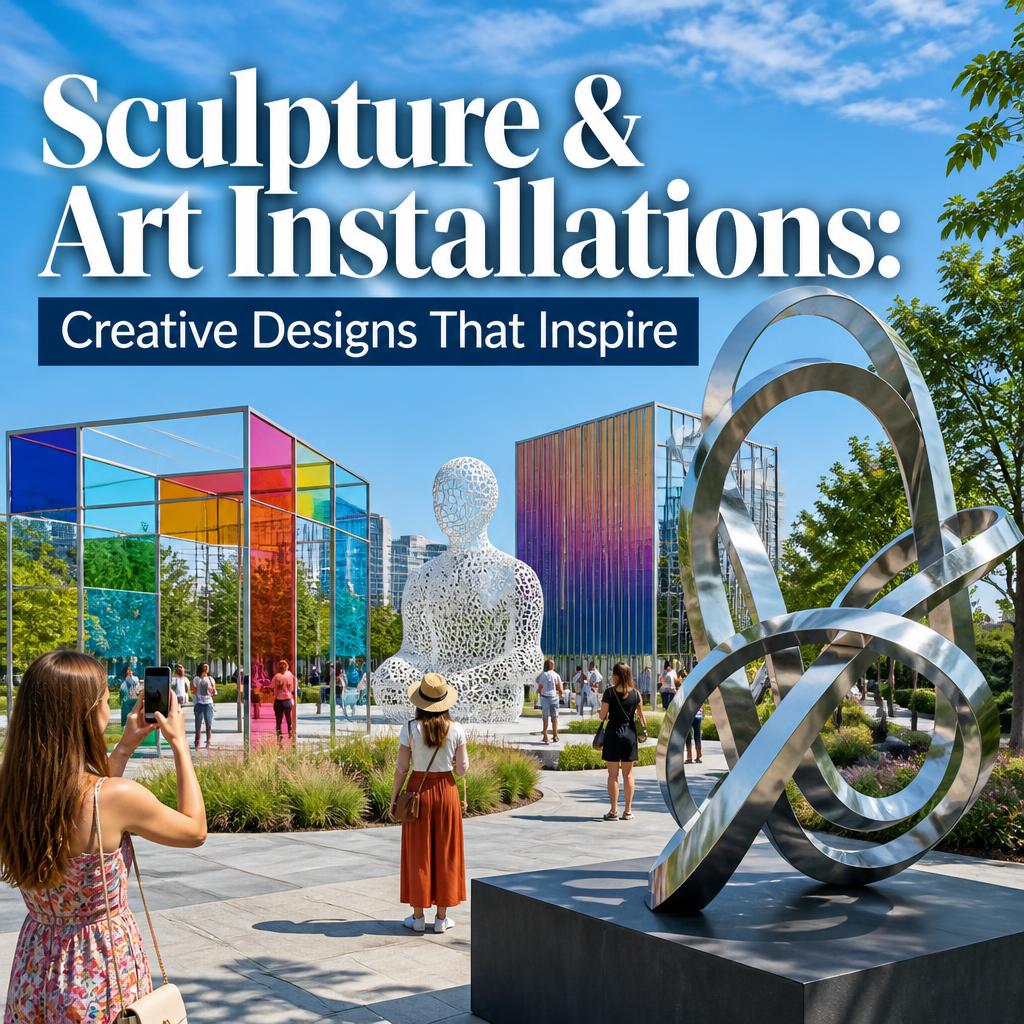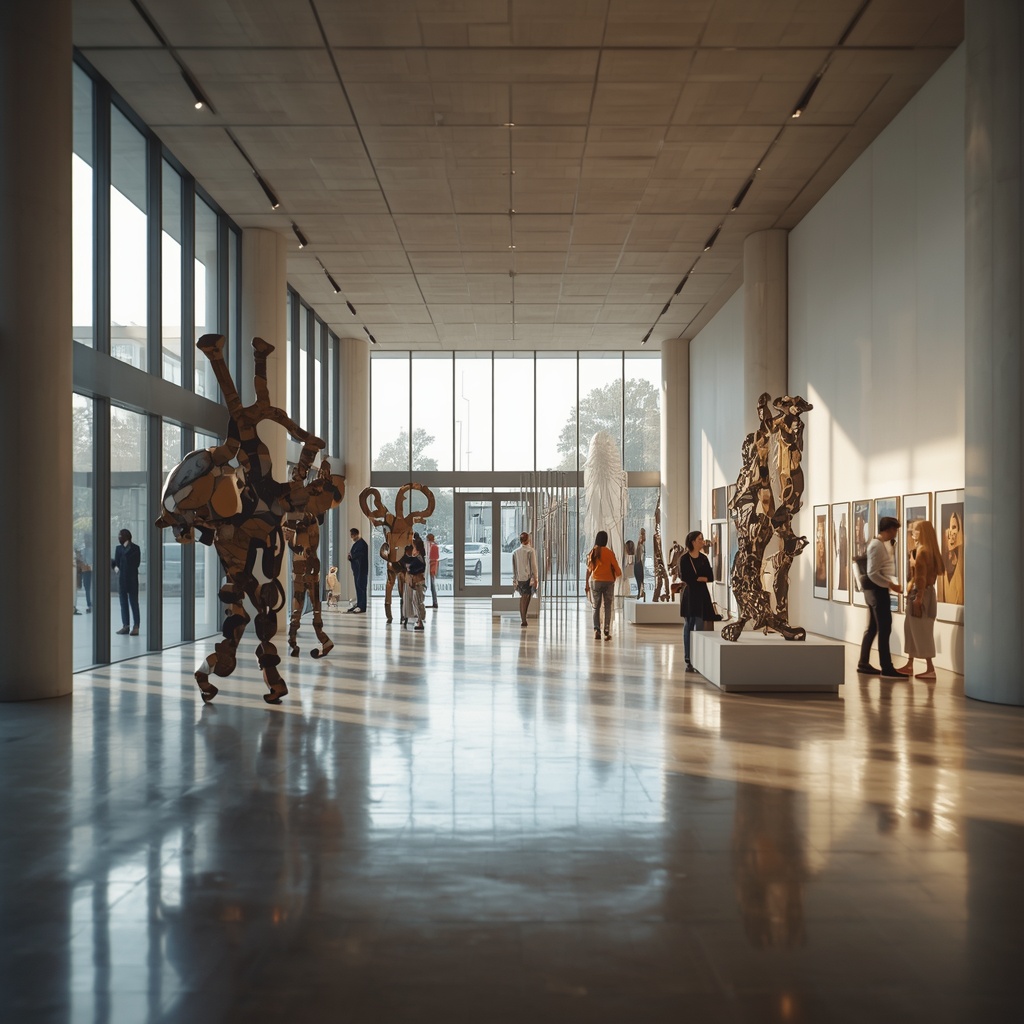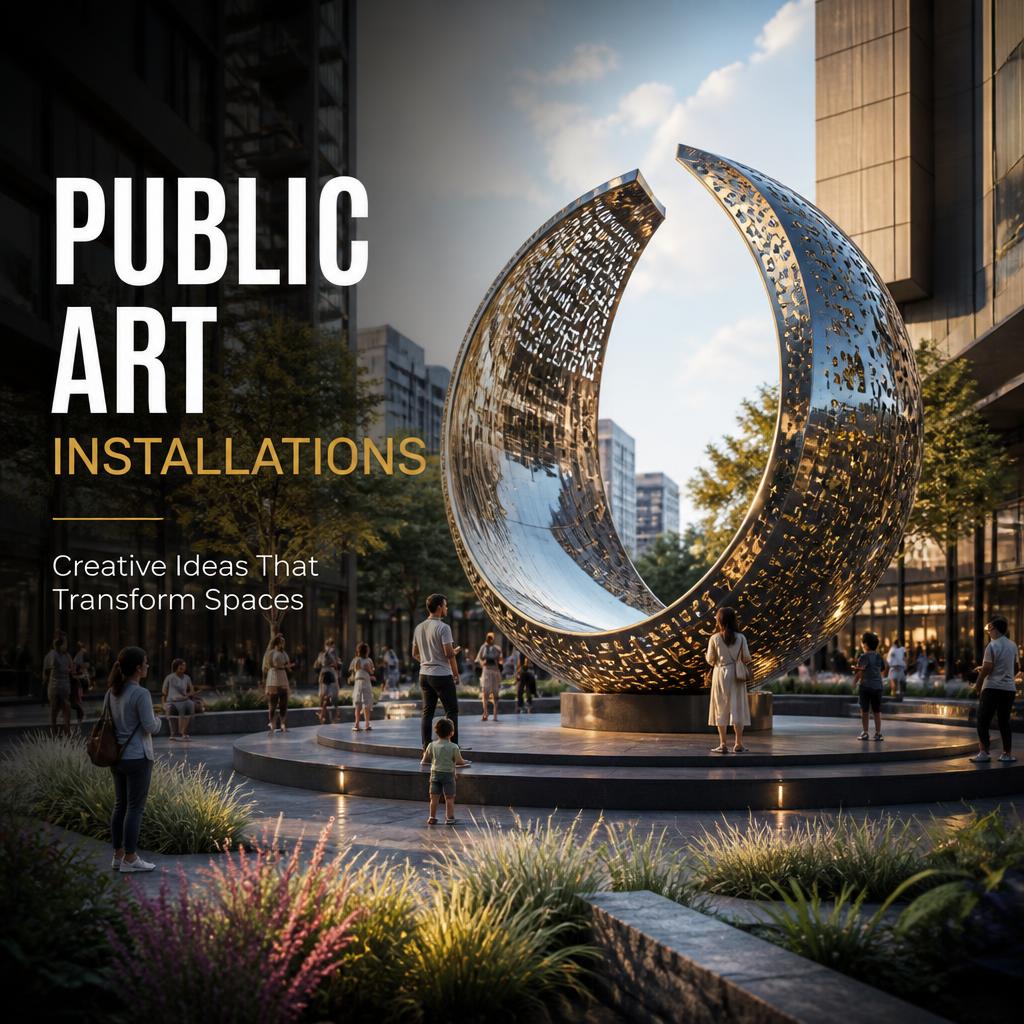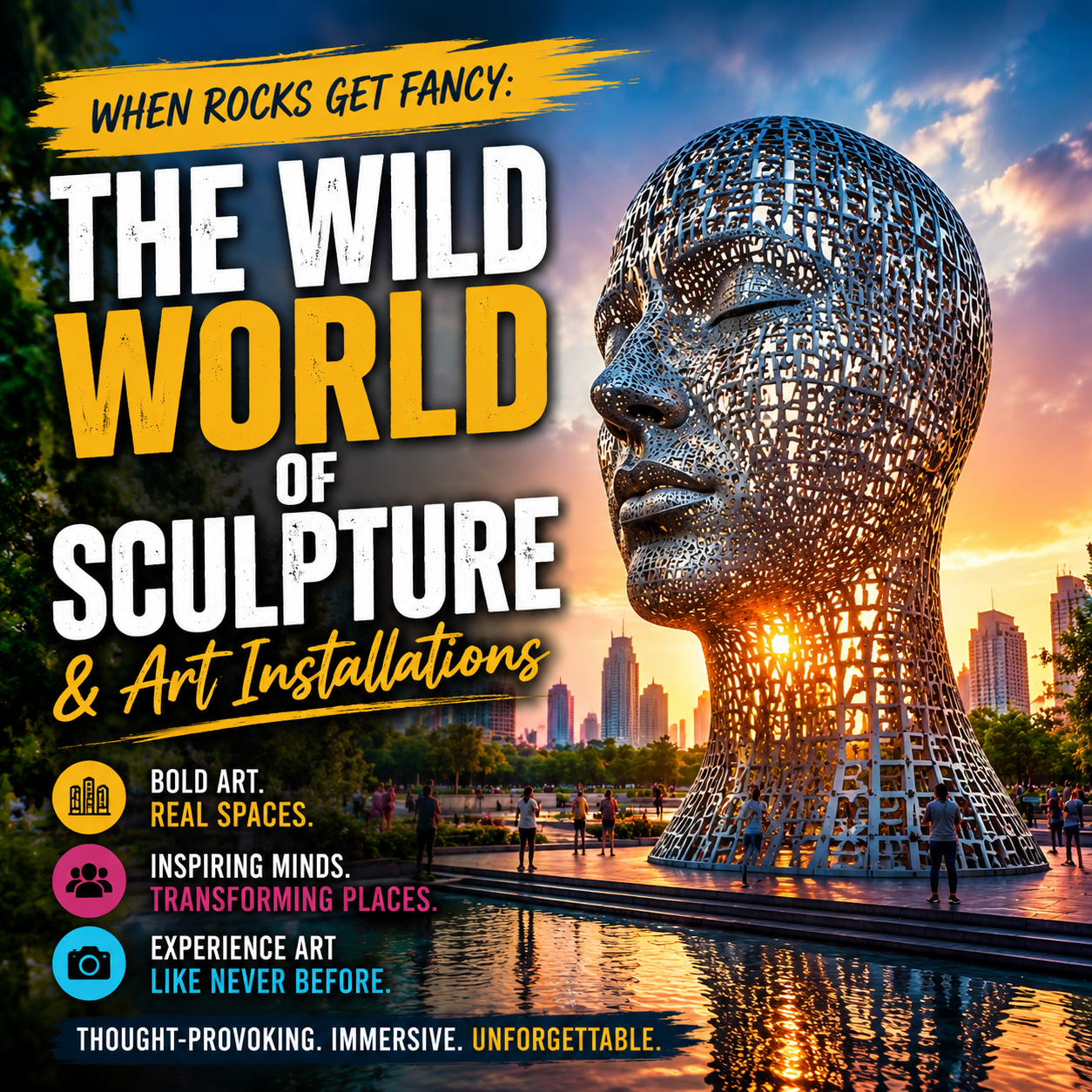
When Rocks Get Fancy: The Wild World of Sculpture Installations explores how Sculpture & Art Installations transform ordinary public spaces into extraordinary visual experiences. From giant steel structures in city squares to immersive gallery environments that mess with your senses, this creative field blends imagination, engineering, and cultural storytelling into one powerful artistic expression. – statue-duodesign
In today’s world, sculpture is no longer just “carved stone on a pedestal.” It has evolved into interactive environments, digital hybrids, and large-scale public statements that challenge how people see art, space, and even reality itself.
Understanding Sculpture & Art Installations in Modern Art
What Are Sculpture & Art Installations?
Sculpture & Art Installations are three-dimensional artworks designed to exist in real-world spaces. Unlike traditional statues, installations often interact with their environment, audience movement, lighting, and even sound.
Who Creates Them?
These works are made by contemporary sculptors, conceptual artists, engineers, and sometimes even architects. Famous artists like Anish Kapoor, Olafur Eliasson, and Jeff Koons have pushed boundaries in this field.
Why They Matter
They don’t just decorate space—they redefine it. They can provoke emotion, spark political dialogue, or simply make people stop scrolling and actually look around.
Where You Can Find These Installations
Public Spaces and Urban Landscapes
Cities like Chicago, London, Tokyo, and New York are filled with massive installations placed in parks, plazas, and waterfronts. These works are designed to interact with everyday life.
Museums and Galleries
Institutions like MoMA or Tate Modern frequently host temporary installations that completely transform interior spaces.
Nature-Based Installations
Some artists choose forests, deserts, or mountains as their canvas, blending art with natural landscapes.
When Did Sculpture Installations Become Popular?
The Shift in the 20th Century
The explosion happened during the late 1960s and 1970s when conceptual art became dominant. Artists stopped focusing only on form and started focusing on experience.
The Digital Era Boost
In the 21st century, digital fabrication, 3D printing, and augmented reality expanded what sculpture could be.
Why Sculpture & Art Installations Matter Today
Emotional and Psychological Impact
These works often trigger curiosity, confusion, or awe. Neuroscience studies even suggest that immersive art can activate emotional centers in the brain like the amygdala.
Cultural and Social Commentary
Installations frequently address issues like climate change, migration, identity, and consumerism.
Economic and Tourism Value
Cities invest in large installations because they attract tourism and create iconic landmarks.
How Artists Build Massive Installations
Concept Development
Every installation begins with an idea—often sketch-based or digitally modeled.
Engineering and Material Science
Materials range from bronze and marble to polyurethane foam, stainless steel, and even kinetic systems powered by motors.
Collaboration Process
Artists often work with engineers, welders, architects, and software developers to bring ideas into reality.
The Science Behind Large-Scale Sculptures
Physics of Balance and Structure
Stability is crucial. Engineers calculate load distribution, wind resistance, and gravitational stress.
Material Behavior
Different materials react differently to temperature, humidity, and time, which must be factored into design.
Interactive and Immersive Installations
Audience Participation
Some installations allow people to walk through, touch, or even change the artwork itself.
Light and Sound Integration
Modern installations often include LED systems, projections, and spatial audio for immersive experiences.
Global Influence of Sculpture Installations
Asia’s Rising Art Scene
Countries like South Korea, China, and Japan are investing heavily in public art infrastructure.
Europe’s Historical Integration
Europe blends classical sculpture traditions with modern experimental installations.
America’s Experimental Approach
The U.S. focuses heavily on conceptual and large-scale public works.
The Future of Sculpture & Art Installations
AI and Generative Design
Artificial intelligence is now used to generate sculptural forms based on algorithms.
Sustainable Art Materials
Eco-friendly materials like recycled plastics and biodegradable composites are becoming more common.
Virtual Installations
With VR and AR, sculpture is expanding beyond physical space into digital environments.
Hidden Meaning Behind Modern Sculptures
Symbolism and Interpretation
Every viewer can interpret installations differently depending on culture and emotion.
Conceptual Layers
Many works include hidden political or philosophical messages beneath their surface design.
Real-World Impact of Sculpture Installations
Community Identity
Installations often become symbols of cities and communities.
Educational Value
Schools and institutions use public art as learning tools for creativity and design thinking.
Why People Love Experiencing Installations
Instagram Culture and Visual Appeal
Let’s be honest—many installations go viral because they are visually stunning and social-media friendly.
Emotional Connection
Standing inside or near a massive sculpture often creates a memorable emotional moment.
Sculpture & Art Installations continue to reshape how humans experience space, emotion, and culture. They are no longer just static objects but living, breathing interactions between artist, environment, and audience. As technology evolves, these artworks will become even more immersive, intelligent, and globally influential. Ultimately, When Rocks Get Fancy: The Wild World of Sculpture Installations represents not just an art trend—but a shift in how we define creativity itself.