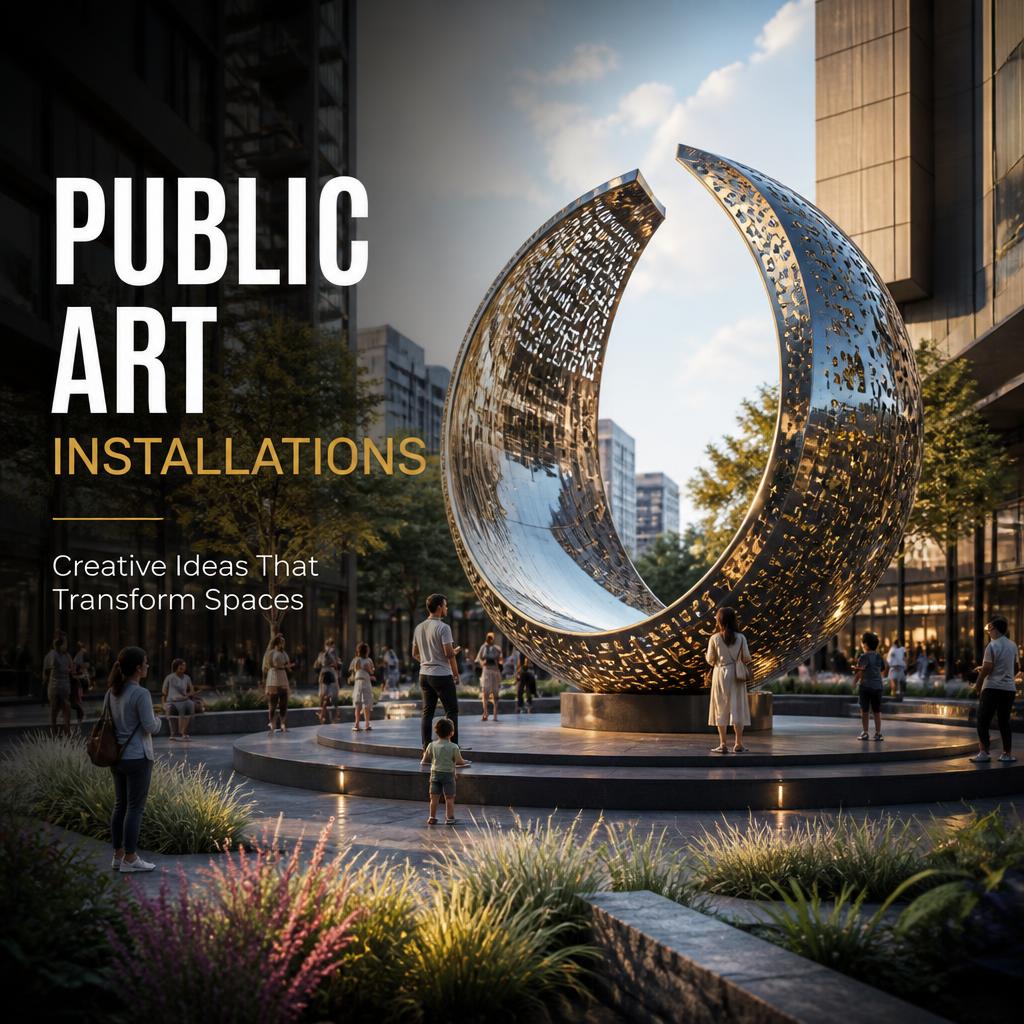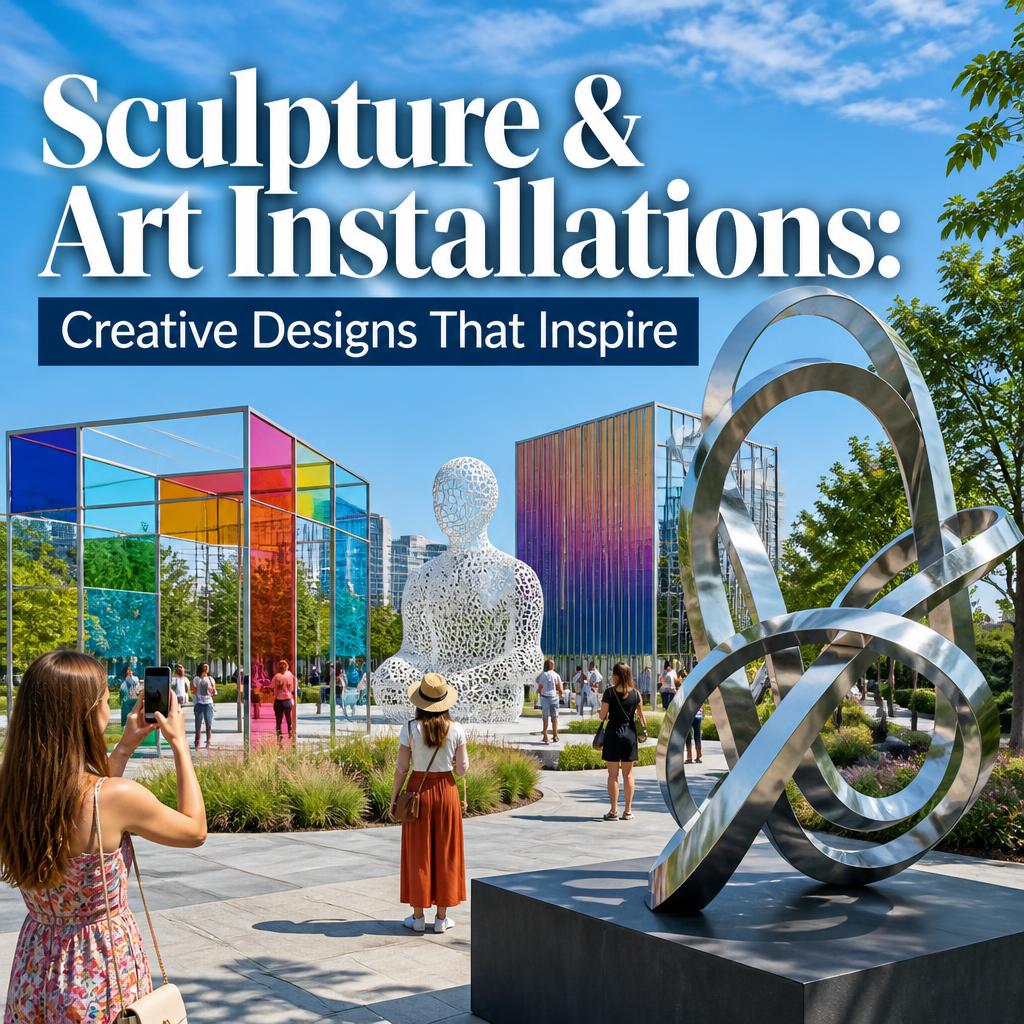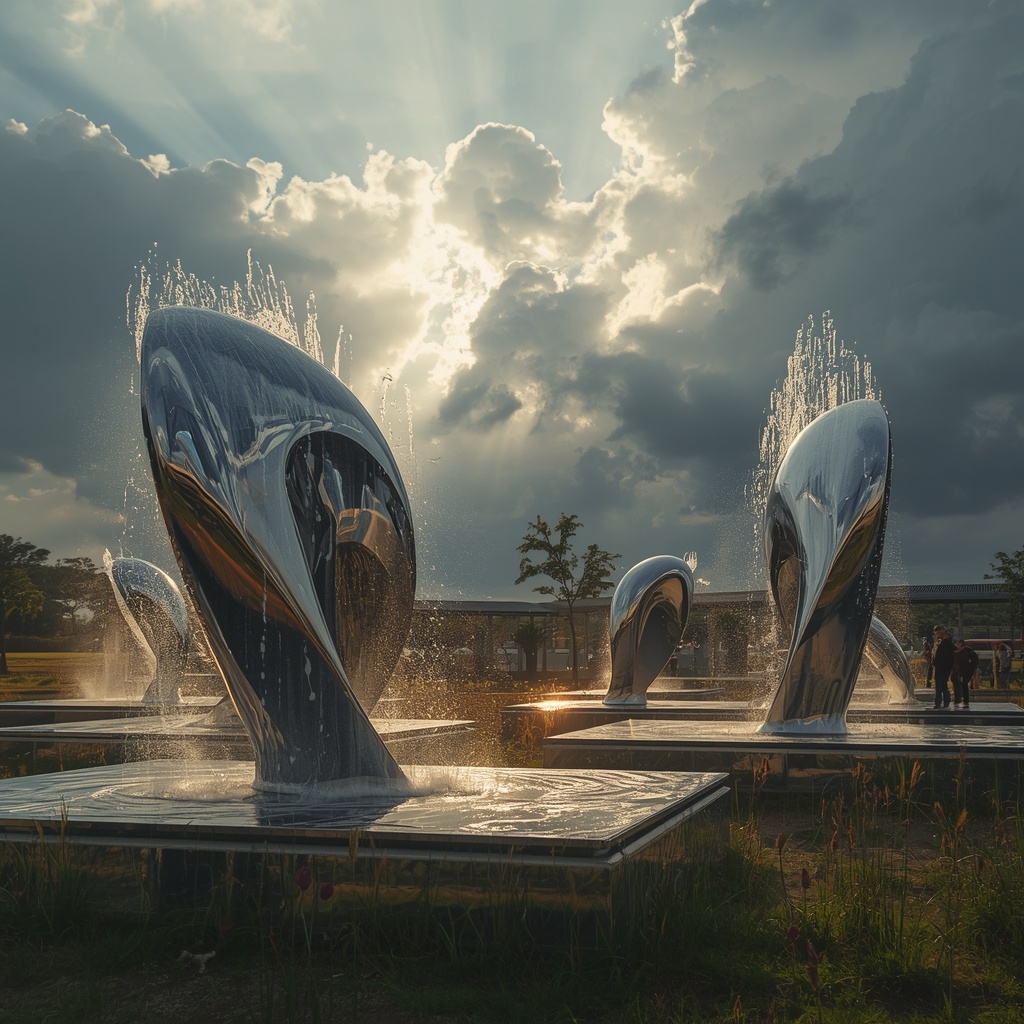
Silent Sculptures That React to Rain, Wind, and Sunlight in Surprising Ways continue to reshape the world of public art. Instead of remaining static and predictable, these sculptures actively respond to the environment around them. Rain reveals hidden patterns, wind creates graceful movement, and sunlight transforms shadows throughout the day. As a result, every visitor experiences something different depending on the weather and time. – statue-duodesign
Today, people crave immersive experiences rather than passive visual displays. Because of that shift, artists now design sculptures that interact naturally with the climate. These silent installations may not speak with sound, yet they communicate through movement, reflection, texture, and transformation.
Why Silent Sculptures Capture Public Attention
Silent sculptures instantly attract attention because they constantly change. Unlike traditional monuments, these artworks evolve naturally throughout the day.
For example, a sculpture may look minimal during dry weather. However, once rain starts falling, hidden colors or messages suddenly appear. Likewise, sunlight can completely alter the sculpture’s appearance by creating dramatic reflections and shadows.
As visitors notice these transformations, they become emotionally connected to the artwork. Consequently, people often revisit the same installation multiple times just to witness new visual effects.
Constant Change Creates Curiosity
Humans naturally enjoy unpredictability. Therefore, weather-responsive sculptures feel more engaging than static designs.
In many cases, viewers cannot fully experience the artwork in a single visit. Instead, they must return during different seasons or weather conditions to understand the sculpture completely.
How Nature Directly Changes Modern Art
Nature plays an active role in these installations. Rather than fighting environmental conditions, artists embrace them as part of the design itself.
Rain Creates Hidden Visual Effects
Many artists apply water-sensitive coatings to sculpture surfaces. During dry weather, the artwork may appear plain. However, when rainwater touches the surface, hidden text, images, or patterns emerge instantly.
As a result, rainfall becomes part of the storytelling process.
Wind Adds Natural Movement
Meanwhile, kinetic sculptures rely on airflow to create motion. Instead of using motors or electricity, artists carefully balance lightweight materials so the wind can move them naturally.
Because of this approach, the sculpture feels alive without producing noise.
Sunlight Changes Shapes and Shadows
Sunlight also transforms outdoor sculptures dramatically. During sunrise and sunset, shadows stretch across nearby surfaces and create completely new visual experiences.
Consequently, the same sculpture can appear different every hour.
Smart Materials Behind Interactive Sculptures
Artists now combine creativity with science to produce climate-reactive artwork.
Without advanced materials, these sculptures would not function properly outdoors.
Thermochromic Coatings
These coatings change color when temperatures rise or fall. Therefore, sculptures can shift appearance throughout the day.
Reflective Metals
Artists frequently use stainless steel and aluminum because they resist corrosion while reflecting sunlight beautifully.
Hydrophobic Surfaces
These materials interact uniquely with water. As rain spreads across the sculpture, it creates changing patterns and textures.
Flexible Kinetic Structures
Engineers design balanced structures that move smoothly with natural airflow. Consequently, even a gentle breeze can activate the installation.
Rain-Activated Art That Reveals Hidden Details
Rain-responsive sculptures remain among the most fascinating forms of environmental art.
At first glance, these sculptures may seem simple. However, rainfall suddenly reveals another hidden layer beneath the surface.
Hidden Messages Appear During Rainstorms
Some artists intentionally conceal poetry, illustrations, or historical references beneath water-sensitive coatings. Then, once rain touches the sculpture, these hidden details become visible.
Because of this effect, viewers often feel surprised and emotionally connected to the artwork.
Rain Creates Emotional Atmosphere
Rain naturally carries emotional symbolism. People often associate it with nostalgia, reflection, or calmness.
Therefore, rain-reactive sculptures create a deeper emotional experience compared to ordinary installations.
Wind-Powered Sculptures That Move Naturally
Wind-powered sculptures bring motion into public spaces without relying on technology.
Instead, they depend entirely on environmental energy.
How Kinetic Sculptures Work
Artists carefully calculate weight distribution, balance, and aerodynamic movement. As wind flows through the structure, certain parts rotate, sway, or ripple smoothly.
Even light airflow can trigger elegant movement.
Why Moving Sculptures Feel More Alive
People instinctively notice movement faster than static objects. Because of that, kinetic sculptures immediately attract attention in parks, plazas, and waterfront areas.
Furthermore, their silent motion creates a calming and almost hypnotic atmosphere.
Sunlight and Shadow Effects in Outdoor Installations
Sunlight gives outdoor sculptures an entirely different personality throughout the day.
Morning light creates softness, while midday light sharpens reflections and textures.
Shadow Art Creates Hidden Images
Some sculptures cast recognizable shapes or messages only at specific times. For example, an abstract metal structure may project readable words through shadows during sunset.
As a result, visitors feel rewarded when they discover these hidden visual tricks.
Visitors Return for Different Experiences
Since lighting conditions constantly change, people often revisit the same sculpture repeatedly. Consequently, the artwork stays relevant much longer than traditional public statues.
Who Designs Climate-Reactive Sculptures?
Modern environmental sculptures rarely come from one discipline alone.
Instead, artists collaborate with engineers, architects, and material scientists to build these complex installations.
Creative Teams Behind the Artwork
Most weather-reactive projects involve experts in:
- Architecture
- Environmental science
- Mechanical engineering
- Industrial design
- Contemporary art
Together, they create installations that blend technology, creativity, and environmental interaction seamlessly.
Where These Sculptures Are Becoming Popular
Cities worldwide increasingly invest in immersive public art experiences.
As tourism competition grows, local governments want installations that feel unique and memorable.
Urban Parks
Large open spaces allow sculptures to interact freely with sunlight and wind.
Coastal Areas
Ocean breezes create perfect conditions for kinetic movement.
Museum Gardens
Museums now use interactive outdoor installations to attract younger audiences and social media attention.
Rooftop Public Spaces
Modern buildings frequently integrate weather-reactive sculptures into architectural design.
Because of these trends, climate-responsive art continues expanding globally.
Why People Feel Emotionally Attached to Living Art
Traditional sculptures often feel distant or untouchable. In contrast, weather-reactive sculptures feel alive and personal.
Nature Makes Art Feel Human
When wind moves a sculpture or rain changes its appearance, people instinctively connect with it emotionally.
As a result, the experience becomes more memorable and immersive.
Social Media Amplifies Their Popularity
These sculptures also perform exceptionally well online. Since every weather condition creates a unique visual moment, visitors constantly photograph and share them on social media.
Consequently, many installations become viral tourist attractions.
How Cities Use Weather Sculptures to Revive Public Spaces
Cities no longer focus only on infrastructure. Today, they also compete through creativity and cultural identity.
Benefits for Urban Spaces
Weather-reactive sculptures help cities:
- Increase tourism
- Improve public engagement
- Revitalize empty plazas
- Support local artists
- Create recognizable landmarks
Additionally, these installations encourage people to spend more time outdoors.
Challenges Artists Face in Outdoor Sculpture Design
Despite their beauty, these sculptures require careful engineering.
Weather Damage
Constant exposure to rain, humidity, and sunlight can weaken materials over time.
Structural Safety
Strong wind conditions may create stability risks. Therefore, artists must test sculptures carefully before installation.
Maintenance Costs
Moving parts require regular inspection and repairs. Otherwise, the artwork may lose functionality.
Even so, many cities still invest heavily in these projects because the cultural impact remains enormous.
Future Trends in Environmental Sculpture Art
The future of sculpture design looks increasingly interactive and environmentally aware.
Artists already experiment with:
- Solar-reactive materials
- Sustainable recycled components
- AI-assisted movement systems
- Climate-data visualization art
- Fog and mist integration
In the future, some sculptures may even respond to pollution levels, humidity, or temperature changes in real time.
Because of these innovations, environmental art will likely become even more immersive and intelligent.
Silent Sculptures That React to Rain, Wind, and Sunlight in Surprising Ways continue to transform public art into a living experience. Instead of remaining static and predictable, these installations evolve naturally through weather, movement, and light. As artists combine creativity with environmental interaction, sculptures now feel more emotional, immersive, and memorable than ever before. Consequently, cities, museums, and public spaces increasingly embrace weather-reactive sculptures as powerful symbols of modern artistic innovation.