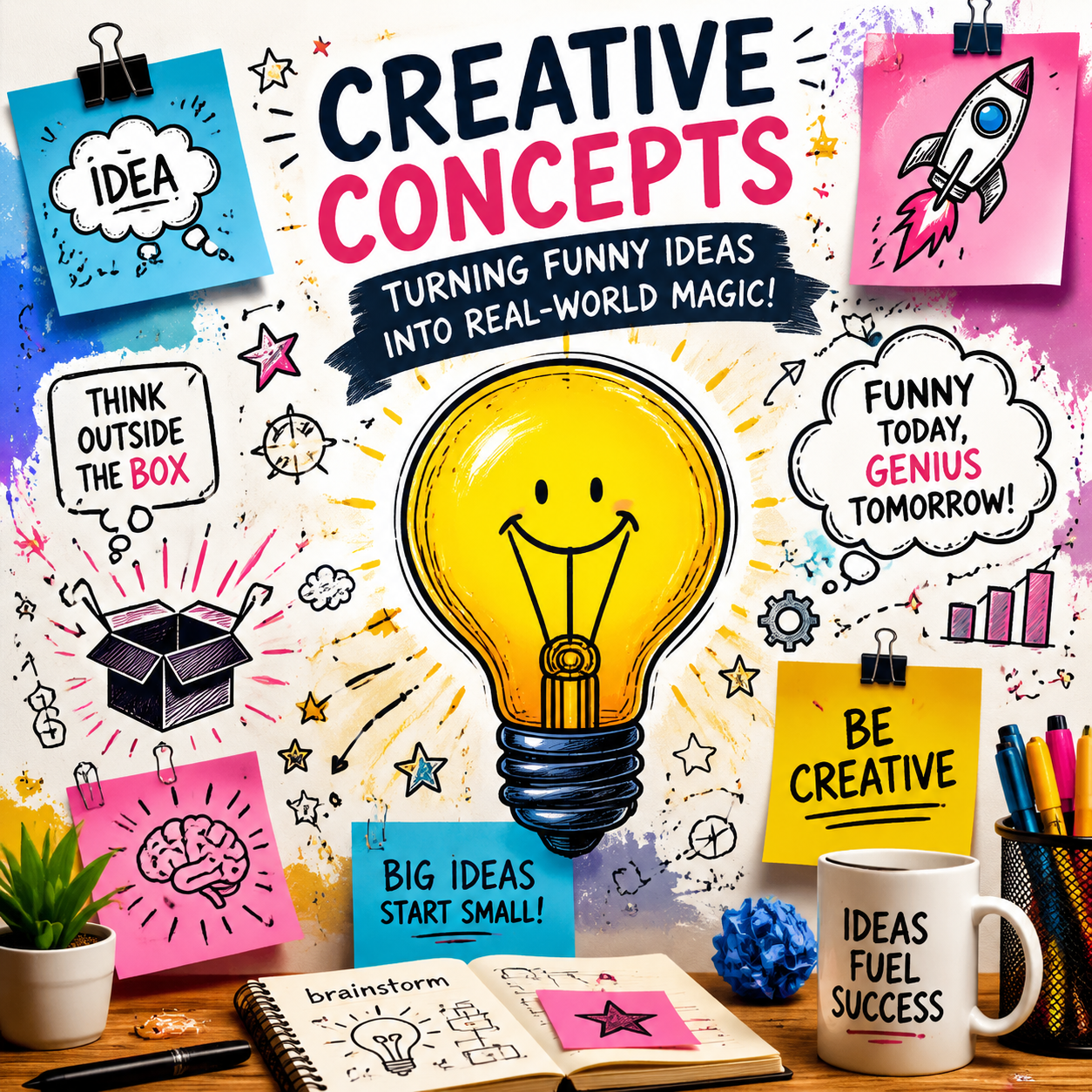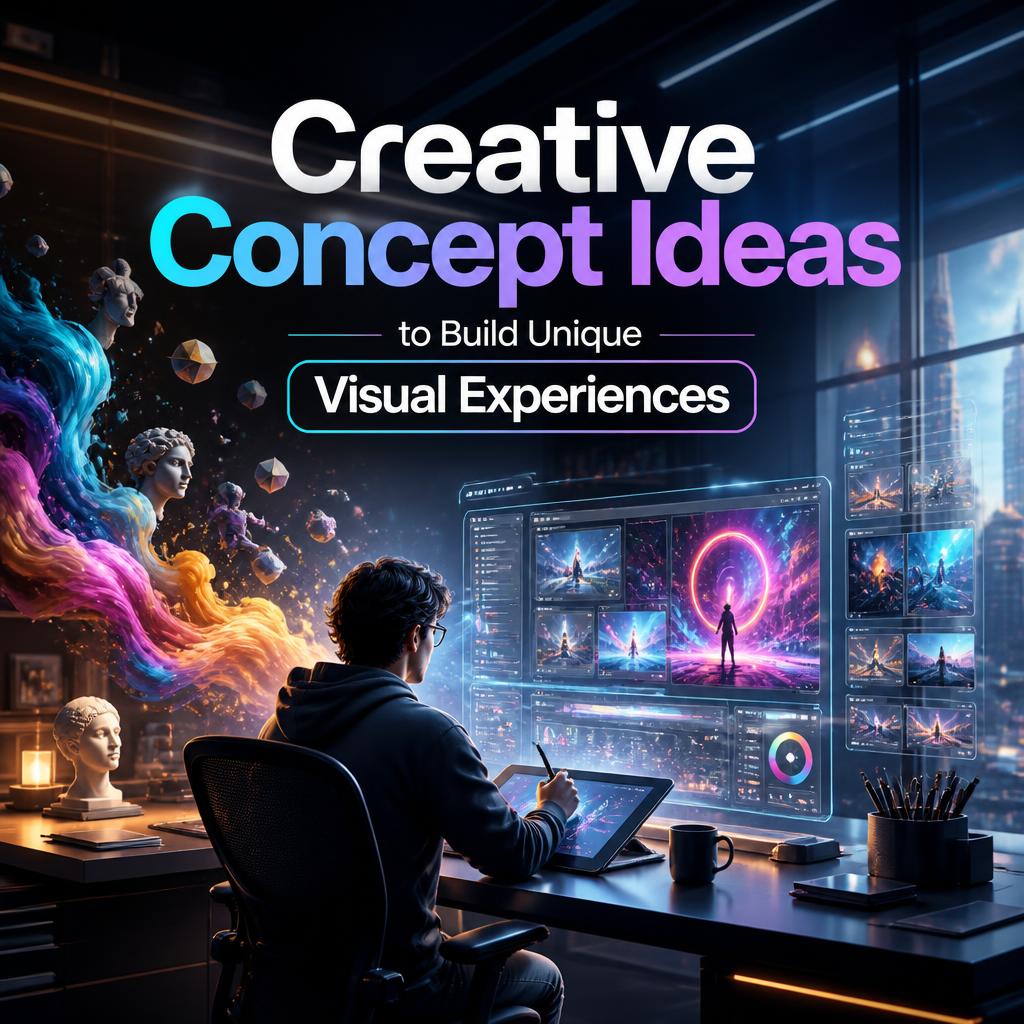
statue-duodesign.com – Creative Concept Ideas to Build Unique Visual Experiences are becoming an essential approach for brands, designers, artists, and creators who want to make a stronger impression in today’s digital world. A unique visual concept is not only about creating something beautiful but also about delivering a meaningful message that people can remember. Whether it is used for a website, marketing campaign, social media content, or personal project, a powerful creative idea can transform ordinary visuals into unforgettable experiences.
In a world filled with endless images and digital content, audiences naturally look for something different. They want visuals that tell stories, create emotions, and offer fresh perspectives. This is why creative concepts have become more important than ever. A thoughtful design direction can help a project stand out while building a deeper connection between the creator and the audience.
Understanding the Power of Creative Visual Concepts
A creative visual concept is the foundation behind an engaging design. It combines ideas, storytelling, colors, composition, and artistic elements into one complete experience. Instead of randomly creating images, designers develop a clear vision that explains what the audience should feel and understand.
The purpose of a strong concept is to answer several important questions: what is the message, who is the audience, where will the visual appear, when should it be used, why does it matter, and how can it create an impact?
For example, a brand launching an eco-friendly product might use natural textures, green tones, and organic shapes to communicate sustainability. Meanwhile, a technology company may choose futuristic visuals with digital elements and minimalist design to represent innovation.
A successful concept does not simply decorate information. It creates a complete visual journey.
Storytelling Through Creative Design Ideas
Building Emotional Connections Through Visual Narratives
One of the most effective ways to create unique visual experiences is through storytelling. Humans naturally connect with stories because they create emotions and memories.
A visual narrative can include characters, environments, symbols, and a clear message. This approach is widely used in advertising, filmmaking, game design, and social media campaigns.
For example, a travel campaign does not only show beautiful destinations. Instead, it presents a story about adventure, discovery, and personal transformation. The audience does not just see a place; they imagine themselves experiencing it.
This method uses the psychological principle of visual storytelling, where images communicate ideas faster than traditional text.
Using Symbolism to Create Deeper Meaning
Symbolism is another powerful technique for developing creative concepts. Designers often use objects, colors, and shapes that represent specific emotions or ideas.
A broken chain may represent freedom, a rising sun may symbolize hope, and a flowing river may represent progress. These visual elements allow audiences to understand messages without requiring long explanations.
Creative professionals who understand symbolism can create designs that feel more thoughtful and memorable.
Creative Concept Ideas for Modern Digital Experiences
Interactive Visual Experiences That Engage Audiences
Modern audiences no longer want passive content. They prefer experiences where they can participate and interact. This trend has encouraged creators to develop interactive design concepts.
Examples of interactive visual experiences include:
- Animated website elements
- Interactive product demonstrations
- Virtual exhibitions
- Augmented reality experiences
- Personalized digital content
A furniture company, for example, can create an online room simulator where customers visualize products inside their own homes. This creates a stronger connection compared to simply displaying product images.
Interactive concepts make audiences feel involved, which increases attention and engagement.
Combining Technology With Creative Art
Technology has opened new opportunities for visual creativity. Designers now use advanced tools such as artificial intelligence, 3D modeling, motion graphics, and virtual reality to create unique experiences.
Artificial intelligence can help generate creative ideas, explore different design styles, and improve workflow efficiency. Meanwhile, virtual reality allows users to enter completely digital environments.
Artists and creators are also experimenting with generative art, a method where algorithms create unique visual patterns based on specific rules.
This combination between technology and creativity creates endless possibilities for future visual experiences.
Exploring Unique Visual Styles and Artistic Directions
Minimalist Concepts With Maximum Impact
Minimalism remains one of the most effective visual approaches because it focuses on clarity. A minimalist concept removes unnecessary elements and highlights the most important message.
Many successful brands use simple layouts, clean typography, and balanced compositions because these elements create a professional appearance.
However, minimalism does not mean boring. A creative minimalist design can still feel powerful through smart use of space, contrast, and visual hierarchy.
Experimental Designs That Break Traditional Rules
Some of the most memorable visual experiences come from designers who are willing to experiment. Breaking traditional design rules can create unexpected results.
Experimental concepts may include:
- Unusual color combinations
- Asymmetrical layouts
- Abstract illustrations
- Mixed media artwork
- Surreal visual compositions
These styles are commonly found in modern art collections, fashion campaigns, and creative portfolios.
The goal is not simply to look different but to create a visual identity that people immediately recognize.
Creative Concept Ideas for Branding and Marketing
Creating Strong Brand Visual Identity
A strong brand requires more than just a logo. It needs a complete visual system that communicates personality and values.
A brand identity includes:
- Color strategy
- Typography choices
- Photography style
- Illustration approach
- Graphic elements
For example, a luxury brand may use elegant fonts, dark colors, and premium imagery. Meanwhile, a youth-focused brand may choose energetic colors and playful graphics.
Consistency helps audiences recognize a brand across different platforms.
Developing Memorable Campaign Concepts
Marketing campaigns become more effective when they have a unique creative direction. Instead of creating random advertisements, brands should develop concepts that connect emotionally with customers.
A campaign idea can revolve around themes such as transformation, innovation, community, or personal achievement.
A memorable campaign is usually simple enough to understand but creative enough to attract attention.
Using Color Psychology in Creative Visual Projects
How Colors Influence Audience Perception
Colors play a major role in shaping emotions and opinions. This field is known as color psychology, which studies how colors influence human responses.
Different colors can communicate different feelings:
- Blue often represents trust and professionalism.
- Red can create excitement and energy.
- Green is commonly associated with nature and growth.
- Black may represent elegance and sophistication.
Creative designers carefully select colors based on the emotions they want to create.
Creating Harmonious Visual Compositions
Besides choosing colors, designers must understand how different elements work together. A balanced composition helps audiences focus on important information.
Visual harmony can be created through:
- Proper spacing
- Balanced layouts
- Consistent design elements
- Clear focal points
A well-organized composition improves the overall user experience.
Future Trends in Creative Visual Experiences
The Growth of AI-Powered Creative Design
The future of visual creativity will continue to involve artificial intelligence. AI tools are helping creators explore ideas faster while maintaining artistic control.
However, human creativity remains the most important factor. AI can provide suggestions, but unique concepts still require imagination, emotion, and personal perspective.
The combination of human creativity and machine learning technology will likely shape future design trends.
Immersive Experiences Through New Media
New media technologies will continue changing how people experience visuals. Virtual reality, augmented reality, and interactive platforms will create more immersive environments.
Future creative projects may no longer be limited to screens. Audiences could experience digital artwork, exhibitions, and storytelling through completely interactive spaces.
Tips for Developing Creative Concept Ideas Successfully
Research, Experiment, and Refine Your Ideas
Creating a unique visual experience requires continuous exploration. Designers should research trends, study different artistic styles, and experiment with new approaches.
The creative process usually involves:
- Finding inspiration.
- Developing initial ideas.
- Testing different visual directions.
- Collecting feedback.
- Improving the final concept.
Great designs rarely appear instantly. They grow through exploration and refinement.
Focus on Audience Experience
The best creative concepts always consider the audience. A beautiful design may fail if people cannot understand its purpose.
Creators should think about what emotions they want to create and what message audiences should remember.
A successful visual experience is not only visually attractive but also meaningful.
Conclusion: Creative Concept Ideas to Build Unique Visual Experiences
Creative Concept Ideas to Build Unique Visual Experiences are the foundation for creating memorable designs that connect with audiences. From storytelling and symbolism to interactive technology and modern artistic styles, creative concepts allow ordinary visuals to become powerful experiences. By understanding audience needs, exploring new techniques, and combining imagination with innovation, creators can develop visuals that leave a lasting impression. In the evolving digital landscape, Creative Concept Ideas to Build Unique Visual Experiences will continue to inspire new ways of communicating, designing, and connecting with people around the world.