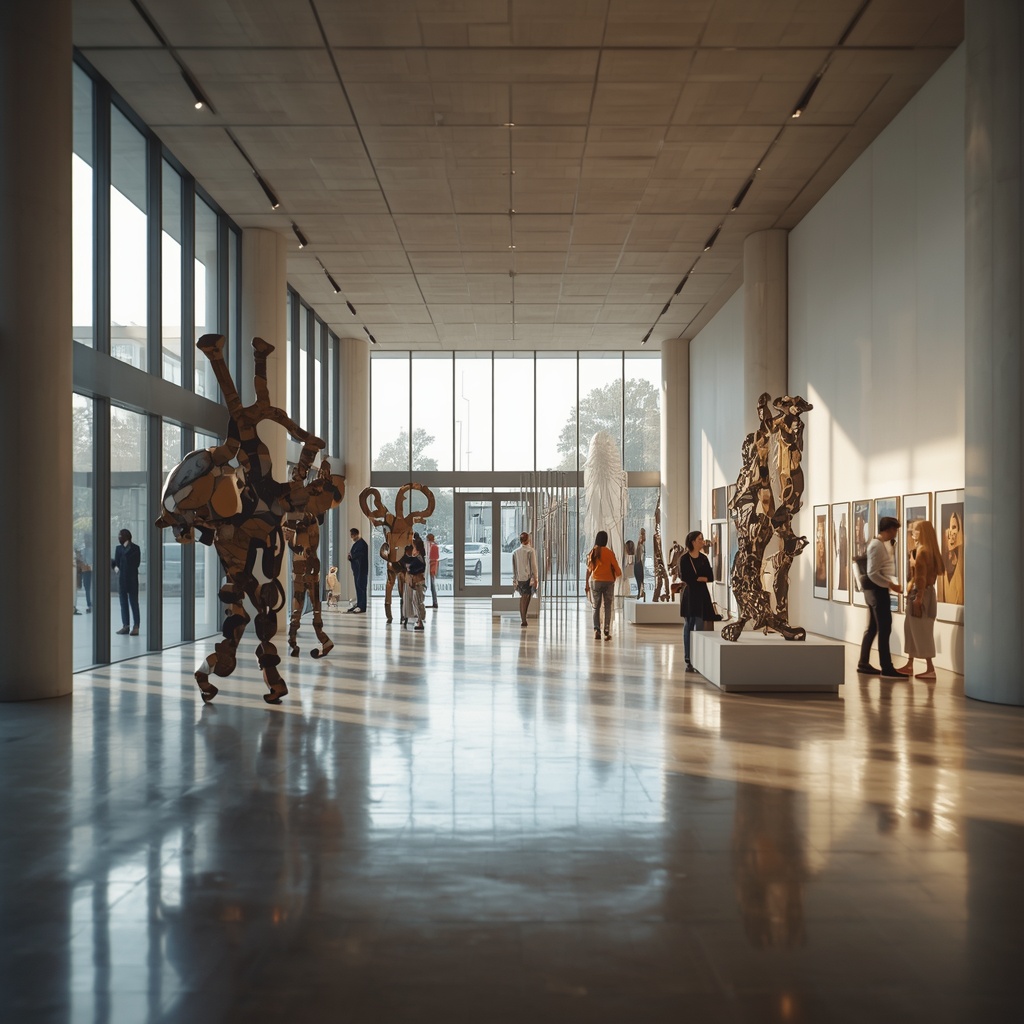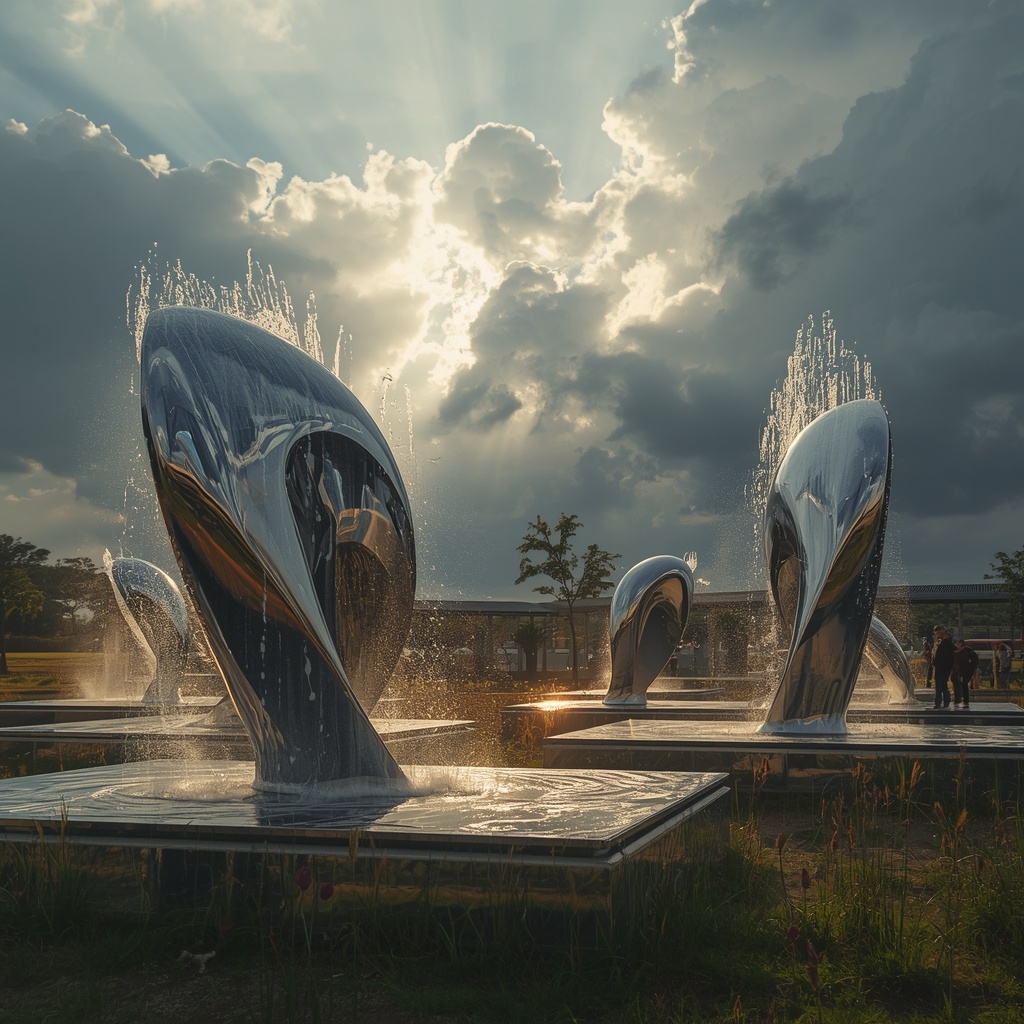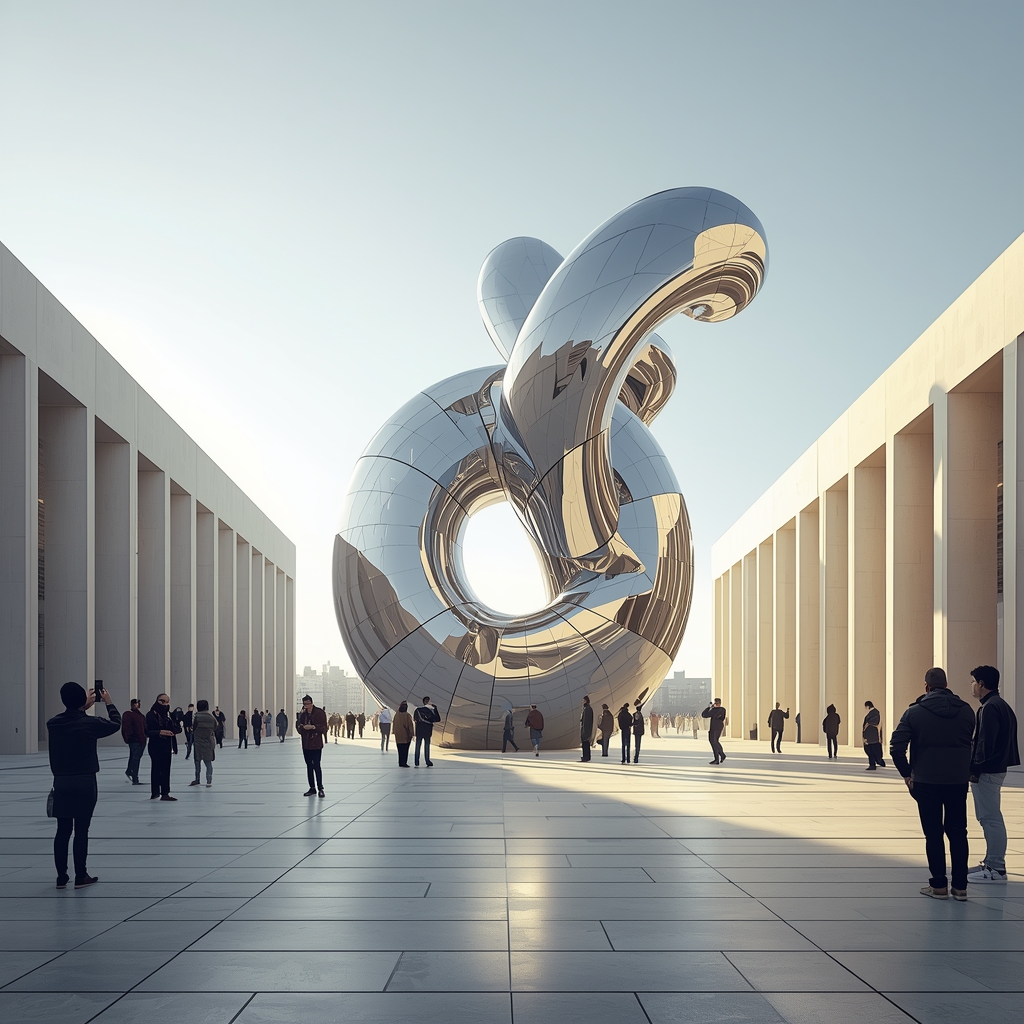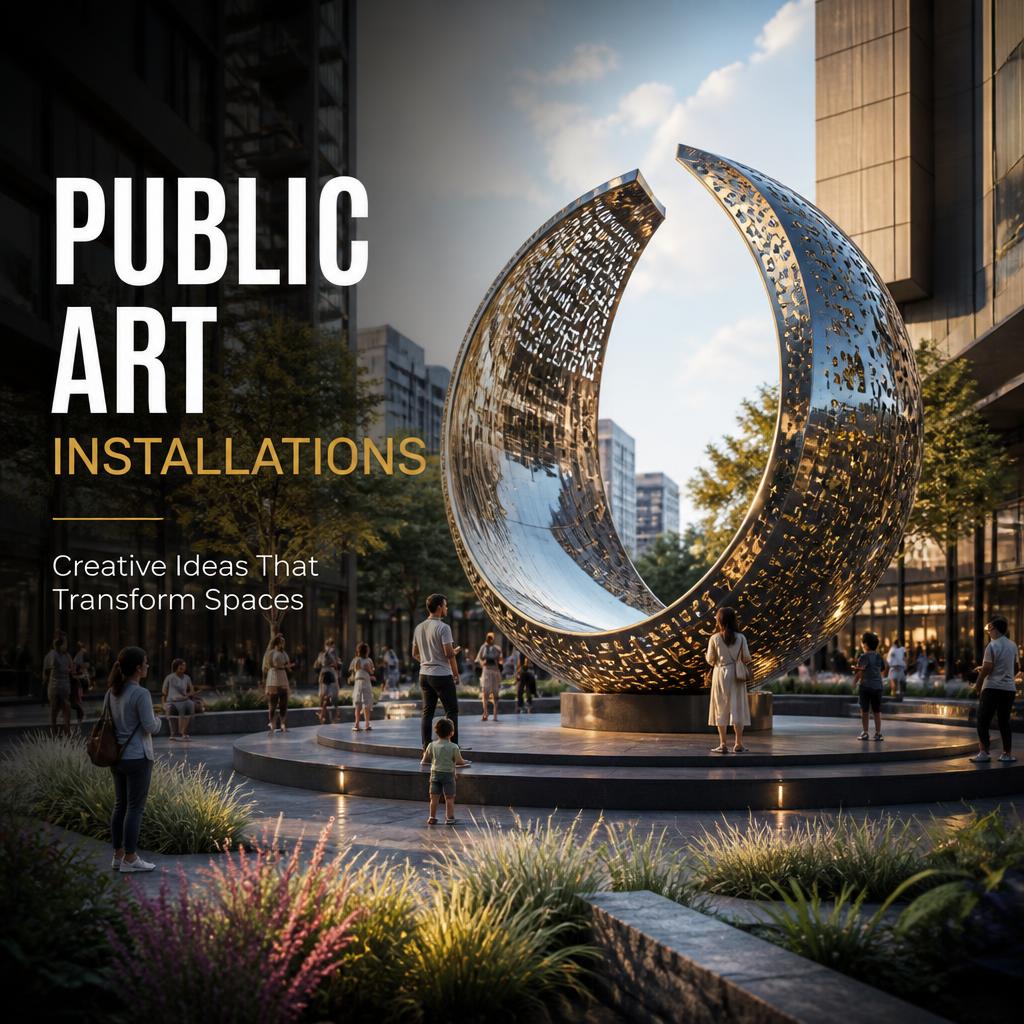
Public Art Installations have become powerful tools for transforming ordinary locations into meaningful environments. From large-scale sculptures in city centers to interactive artworks in parks, public art creates emotional connections between people and the spaces they share. These installations combine creativity, culture, and design to tell stories while improving the visual identity of communities. – statue-duodesign.com
Unlike traditional artwork displayed inside galleries, public art installations exist in everyday environments. They invite people to experience creativity during their daily activities, making art more accessible and inclusive.
Understanding the Purpose of Public Art Installations
Public art installations are artworks created specifically for shared spaces such as streets, parks, plazas, transportation areas, and community buildings. Artists often design these projects to reflect local history, cultural values, social issues, or environmental themes.
Furthermore, public art serves more than an aesthetic purpose. A carefully planned installation can encourage conversations, strengthen community identity, and make public spaces more welcoming.
For example, a sculpture placed in a neighborhood park can become a meeting point where residents gather, take photos, and create personal memories.
Creative Sculpture Ideas for Public Spaces
One of the most popular forms of public art is large-scale sculpture. Sculptures can transform empty areas into recognizable landmarks while creating a unique atmosphere.
Some inspiring sculpture concepts include:
- Nature-inspired sculptures: Artwork based on plants, animals, oceans, or landscapes that highlights environmental awareness.
- Abstract geometric structures: Modern shapes and unusual forms that encourage viewers to interpret meaning personally.
- Cultural storytelling sculptures: Pieces that represent local traditions, historical events, or important community figures.
- Interactive sculptures: Artworks designed for visitors to touch, move around, or engage with physically.
Moreover, combining different materials such as metal, wood, glass, stone, and recycled objects can create visually interesting results.
Interactive Art Experiences That Engage Visitors
Modern public art installations increasingly focus on participation rather than simple observation. Interactive artworks encourage visitors to become part of the creative experience.
Examples include:
- Light installations that respond to movement.
- Sound sculptures activated by visitors.
- Digital artworks using augmented reality technology.
- Community-created murals where residents contribute ideas or designs.
These approaches make art more memorable because people actively participate instead of only viewing the final result.
The Importance of Community Involvement
Successful public art projects usually begin with understanding the community they serve. Artists, designers, and planners often collaborate with local residents to create artwork that feels authentic.
Community involvement can include:
- Public discussions and workshops.
- Surveys about local interests.
- Collaboration with schools or cultural organizations.
- Collecting stories from residents.
As a result, the final artwork often represents shared experiences rather than a single artistic perspective.
Sustainable Approaches in Modern Art Installations
Sustainability has become an important consideration in contemporary public art. Many artists now explore environmentally responsible methods by using recycled materials, renewable energy, and eco-friendly production techniques.
For instance, sculptures made from reclaimed metal or recycled plastic can communicate messages about conservation while reducing environmental impact.
In addition, temporary installations made from natural materials allow artists to explore creativity without creating permanent environmental changes.
Common Challenges When Creating Public Art
Although public art offers many benefits, creating successful installations requires careful planning. Artists and organizations must consider several challenges.
Important factors include:
- Location suitability: Artwork should match the surrounding environment and audience.
- Durability: Outdoor installations need materials that withstand weather conditions.
- Safety: Designs must protect visitors while maintaining artistic value.
- Maintenance: Long-term care should be planned before installation.
Ignoring these factors can reduce the impact and lifespan of an artwork.
Best Strategies for Designing Memorable Installations
Artists and organizations can improve public art projects by following several best practices:
- Research the location and community background.
- Create a strong concept with a clear message.
- Select durable and appropriate materials.
- Consider how people will interact with the artwork.
- Plan maintenance and preservation strategies.
Furthermore, successful installations often balance artistic creativity with practical considerations.
Future Trends in Public Art Installations
The future of public art will likely combine traditional craftsmanship with emerging technology. Digital tools, interactive systems, and sustainable materials are opening new possibilities for artists.
Meanwhile, communities continue to recognize public art as an important element of urban development. Cities increasingly use creative installations to improve public spaces, attract visitors, and build stronger cultural connections.