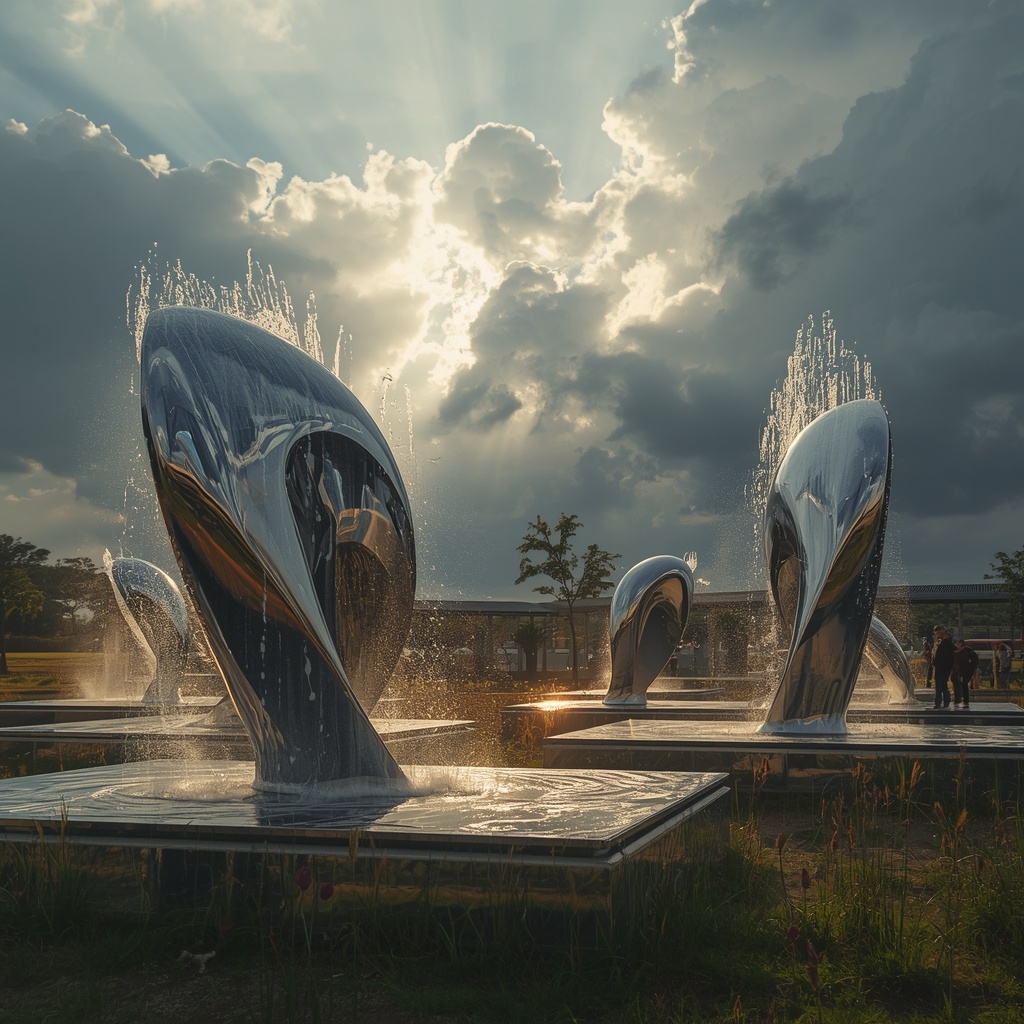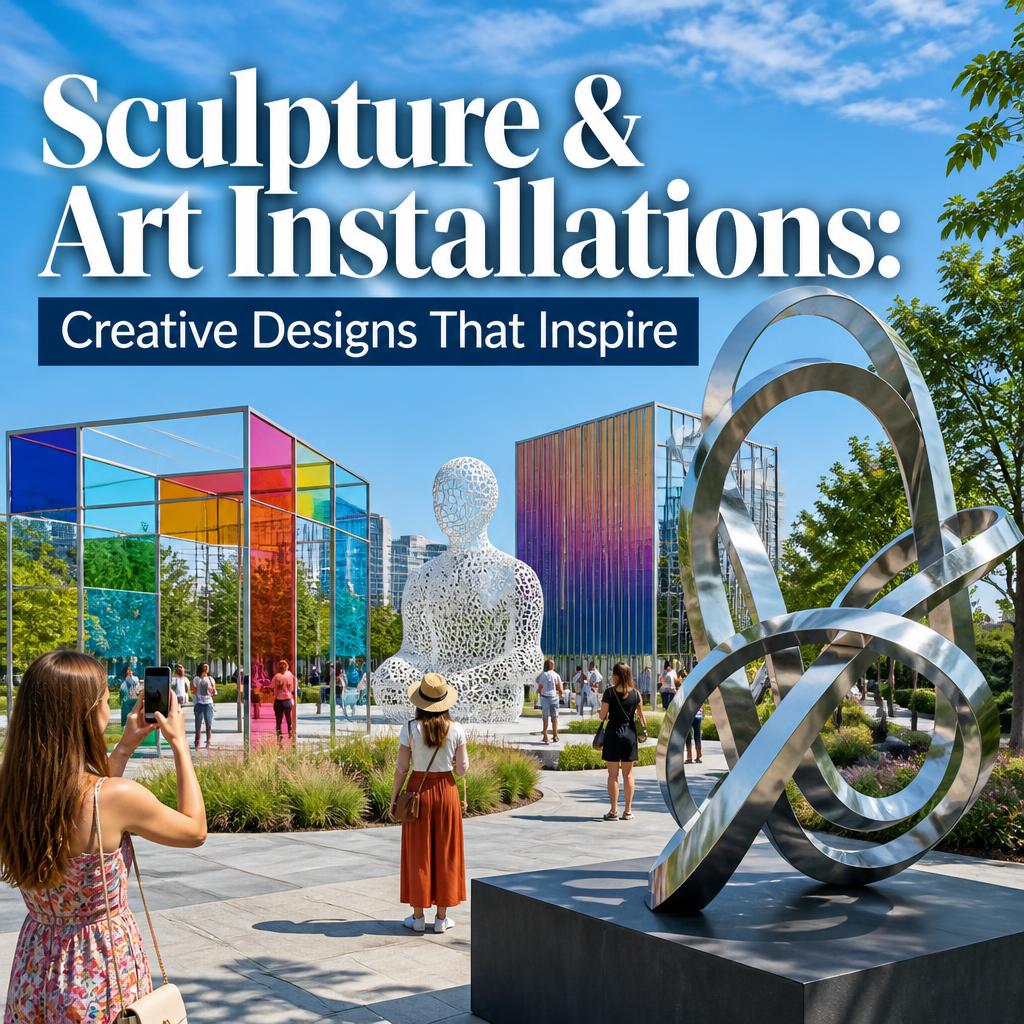
statue-duodesign – Sculpture & Art Installations continue to redefine how people experience public spaces, galleries, parks, and urban environments by turning ordinary locations into memorable visual destinations.
Understanding Sculpture & Art Installations
Sculptures and art installations are creative works designed to communicate ideas, emotions, and stories through physical form. While traditional sculptures often focus on standalone artistic objects, installations usually transform an entire environment into an immersive experience.
Today, artists combine technology, architecture, light, sound, and interactive elements to create works that engage visitors on multiple levels.
What Makes Art Installations Different?
Beyond Traditional Sculpture
Unlike conventional sculptures that viewers observe from a distance, art installations encourage participation. Visitors may walk through them, interact with them, or become part of the artwork itself.
Creating Immersive Experiences
Modern installations often use lighting effects, digital projections, and sensory elements. As a result, audiences experience art rather than simply viewing it.
The History Behind Public Sculptural Art
Ancient Origins
Humans have created sculptures for thousands of years. Ancient civilizations used stone carvings, statues, and monuments to honor leaders, celebrate victories, and express religious beliefs.
Contemporary Evolution
Over the last century, artists expanded beyond traditional materials. They began experimenting with recycled objects, metal frameworks, environmental elements, and digital technologies.
This evolution gave rise to the installation art movement that now appears worldwide.
Why Sculpture & Art Installations Matter
Strengthening Cultural Identity
Public art often reflects local traditions, history, and community values. Cities use sculptures to celebrate important events and preserve cultural heritage.
Encouraging Social Engagement
Art installations frequently spark conversations about social issues, environmental concerns, and shared experiences. They create opportunities for meaningful dialogue among diverse audiences.
Enhancing Public Spaces
Well-designed artworks improve urban landscapes by adding beauty, character, and visual interest. Many cities invest heavily in public art design concepts that attract residents and tourists alike.
Where Can You Find Art Installations?
Urban Centers
Major cities frequently showcase sculptures in plazas, transportation hubs, and commercial districts. These pieces help create recognizable landmarks.
Museums and Galleries
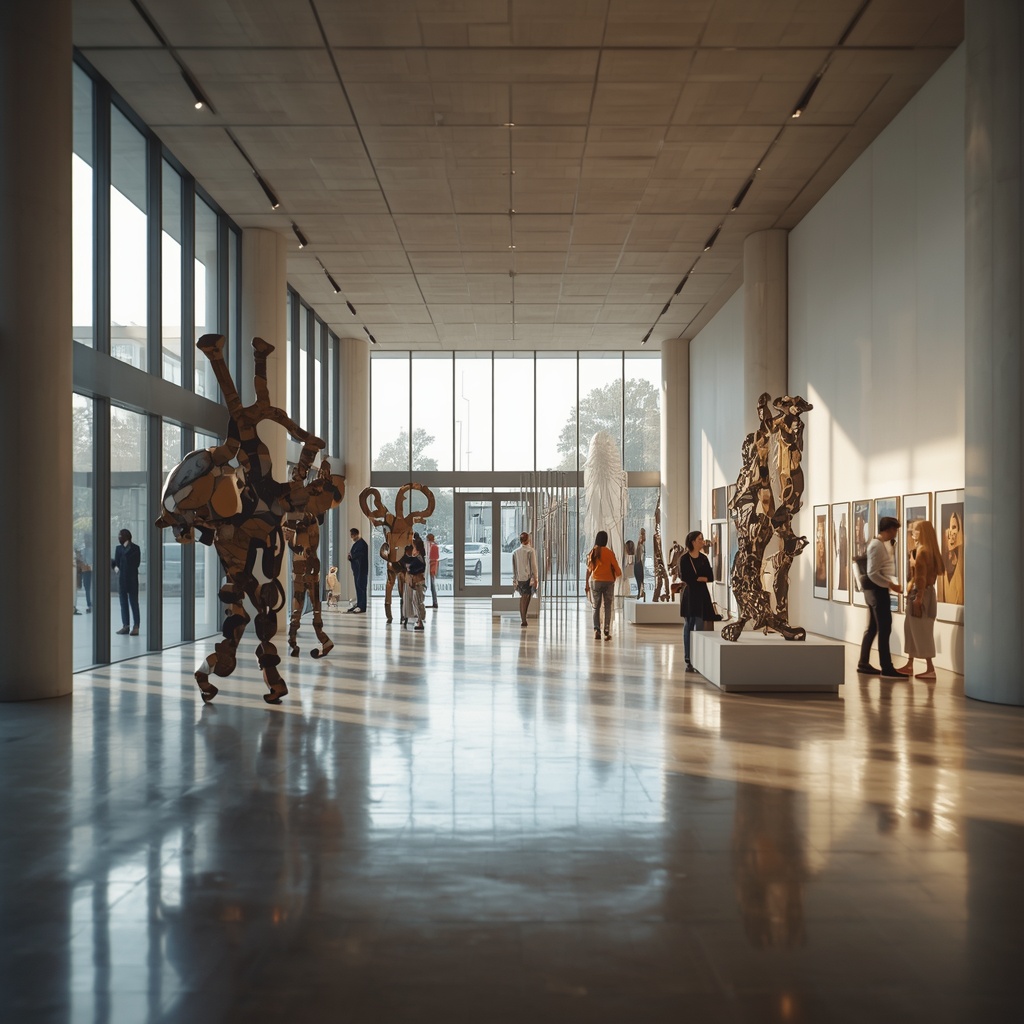
Museums often feature temporary and permanent installations that allow artists to experiment with large-scale concepts.
Outdoor Parks
Many sculpture parks provide open-air environments where visitors can explore art while enjoying nature.
Emerging Digital Spaces
Virtual exhibitions and augmented reality experiences now allow audiences to engage with installations without physically visiting a location.
How Artists Create Large-Scale Installations
Concept Development
Every project begins with a central idea. Artists identify a theme, message, or emotion they want audiences to experience.
Material Selection
Materials may include:
- Stone
- Steel
- Wood
- Glass
- Fabric
- Recycled objects
- Digital components
The choice depends on the artistic vision and installation environment.
Site Integration
Successful installations interact with their surroundings. Artists consider traffic flow, lighting conditions, architectural features, and visitor movement.
Technical Collaboration
Large projects often require collaboration with engineers, architects, fabricators, and city planners to ensure safety and durability.
The Role of Technology in Modern Art
Technology continues to expand creative possibilities.
Interactive installations may use:
- Motion sensors
- Projection mapping
- Artificial intelligence
- Sound design
- Augmented reality
- LED systems
Consequently, viewers become active participants rather than passive observers.
Environmental Sustainability in Public Art
Many contemporary artists prioritize sustainability. They use recycled materials, renewable resources, and environmentally responsible construction methods.
This approach not only reduces waste but also encourages audiences to think about ecological challenges.
Who Benefits From Public Art Projects?
Communities
Residents gain access to cultural experiences that improve neighborhood identity and pride.
Businesses
Commercial districts often see increased foot traffic when distinctive art attractions become local landmarks.
Tourists
Travelers frequently seek memorable artistic destinations that provide unique photo opportunities and cultural experiences.
Future Trends in Sculpture & Art Installations
Several trends continue shaping the future of public art:
- Interactive digital experiences
- AI-assisted artistic creation
- Sustainable materials
- Community-driven projects
- Temporary pop-up installations
- Augmented reality exhibitions
As technology evolves, artists will discover new ways to blur the boundaries between physical and digital creativity.
Frequently Asked Questions
What is the difference between sculpture and installation art?
A sculpture is typically a standalone three-dimensional artwork, while an installation transforms a space and often creates an immersive environment.
Why are public art installations important?
They enrich communities, promote cultural identity, encourage social interaction, and improve the visual appeal of public spaces.
How long do art installations usually last?
Some installations remain permanent for decades, while others exist only for a few days, weeks, or months depending on their purpose.
What materials are commonly used in modern sculptures?
Artists frequently use metal, stone, wood, glass, concrete, recycled materials, and digital technologies.
Can art installations be interactive?
Yes. Many contemporary installations incorporate sensors, lighting, sound, and digital technology that allow visitors to interact directly with the artwork.
Sculpture & Art Installations: Transforming Spaces Into Living Experiences highlights the growing influence of artistic expression in modern environments. From historic monuments to interactive digital creations, these works inspire curiosity, strengthen communities, and reshape public spaces. As artists continue exploring new materials and technologies, sculpture and installation art will remain powerful tools for storytelling, cultural connection, and creative innovation.