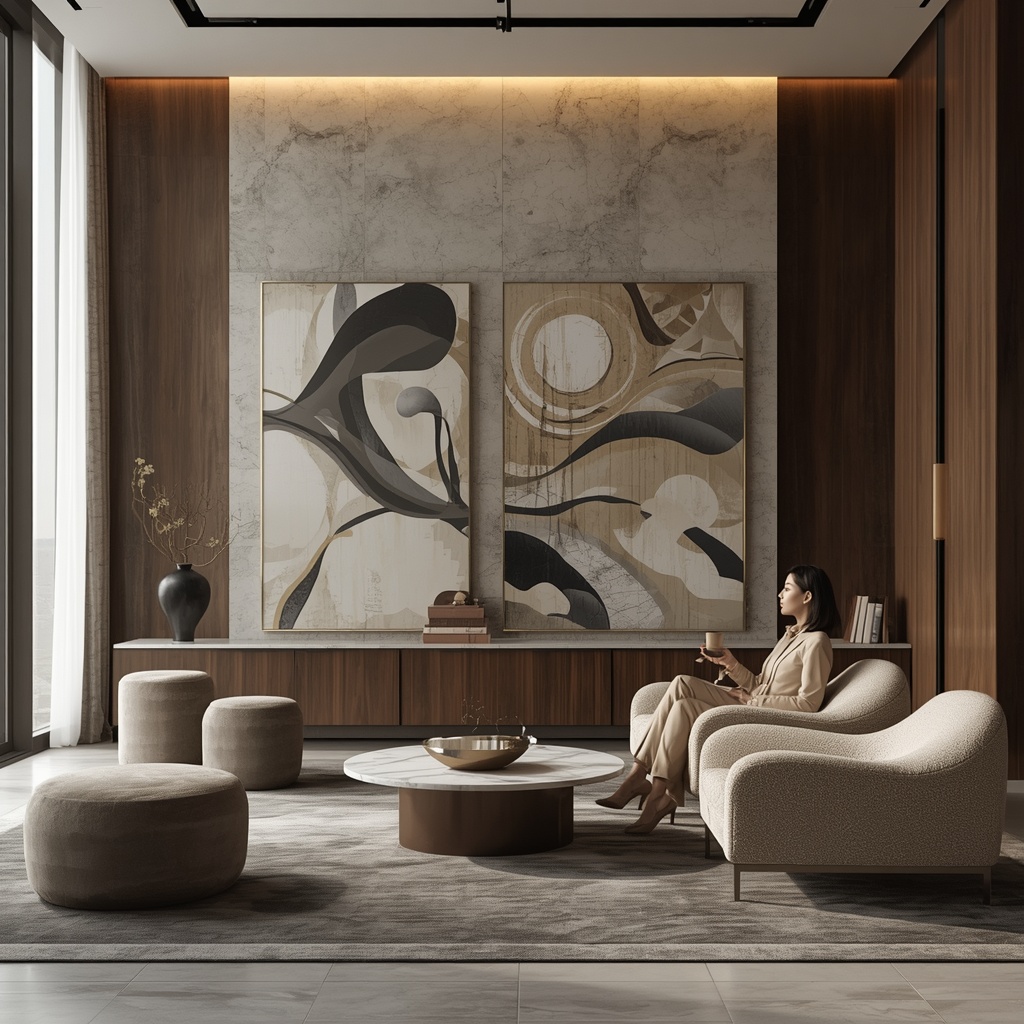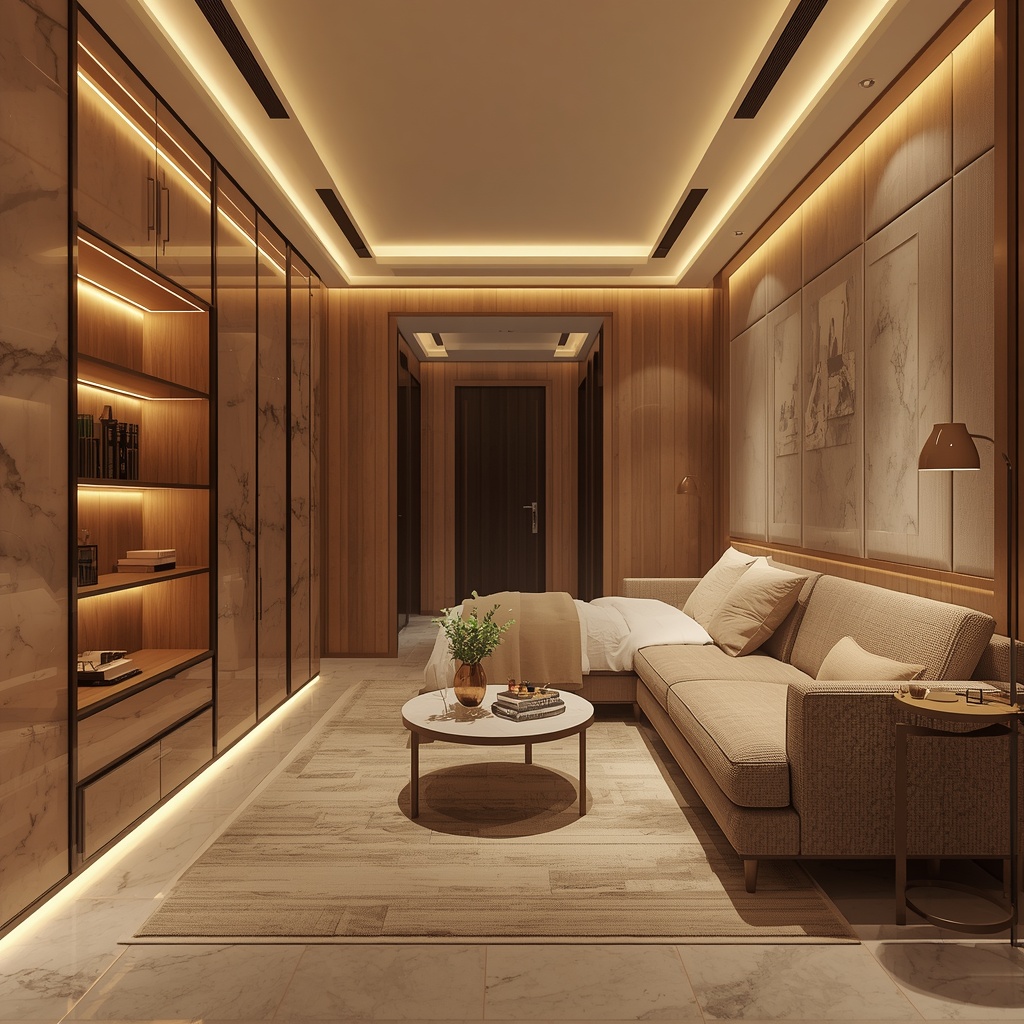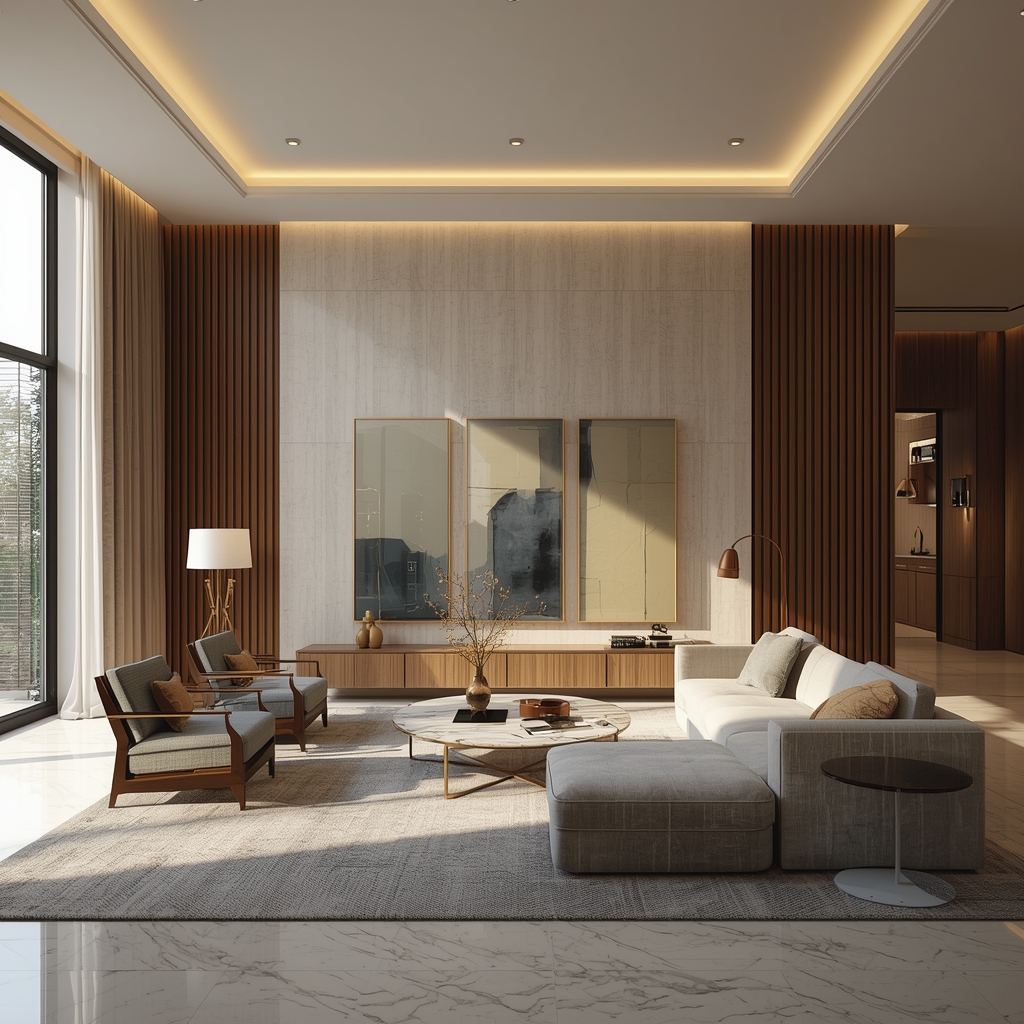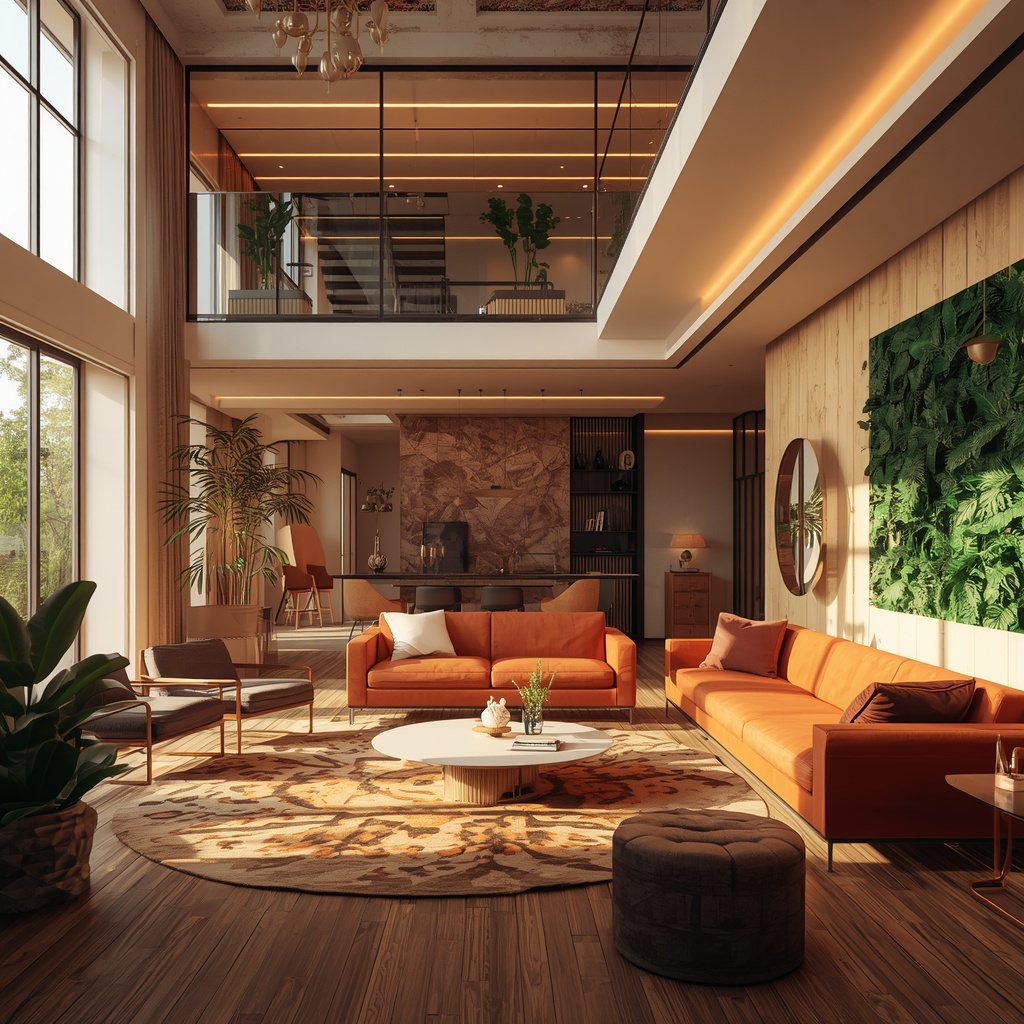
Unique Elegance: The Power of Artistic Interior Design
Artistic Interior Design is more than arranging furniture—it’s about transforming spaces into immersive experiences. It blends creativity, functionality, and emotion, allowing environments to reflect personality, purpose, and culture. – statue-duodesign
What Defines Artistic Interior Design?
At its core, artistic interior design combines aesthetic appeal and practicality. Unlike conventional styles, it focuses on storytelling through color, texture, and spatial dynamics. Every room becomes a canvas for self-expression.
The Role of Color in Artistic Interiors
Color is a primary tool for creating mood. Warm tones evoke comfort and intimacy, while cool tones inspire calm and focus. Strategic color combinations can define spaces, highlight features, and even influence perception of size.
Integrating Textures and Materials
Texture adds depth and intrigue. Mixing natural wood, metals, and fabrics creates layers that stimulate touch and sight. Artful contrasts—smooth against rough, matte versus glossy—enhance the sensory experience.
Who Benefits from Artistic Interior Design?
From homeowners to businesses, anyone seeking a unique space can benefit. Creative offices enhance productivity, while artistic homes reflect personal identity. Hotels, restaurants, and retail spaces can elevate guest experiences through bespoke design elements.
Tailoring Design to Lifestyle
An artistic interior should align with lifestyle. Minimalists may prefer sculptural art and muted palettes, whereas collectors might showcase vivid pieces and eclectic arrangements. Understanding inhabitant needs is key.
Where to Apply Artistic Design Principles
Artistic interior design isn’t confined to homes. Offices, hospitality spaces, and public venues can harness its power. Galleries and creative studios thrive on design that encourages imagination and engagement.
Spatial Flow and Functionality
Proper layout ensures artistic elements enhance usability. Open-plan areas can be punctuated with focal points, while intimate corners can be framed with statement lighting and art installations. Balance between form and function is essential.
When to Consider Artistic Interior Design
Renovations, new constructions, or brand updates are perfect opportunities. Integrating artistic elements early ensures cohesion. Even small updates like wall treatments, textiles, or curated decor can transform the energy of a space.
Seasonal and Trend Awareness
Staying current allows designs to feel modern without sacrificing timeless appeal. Incorporating trending materials, sustainable finishes, and contemporary color palettes ensures relevance and longevity.
Why Artistic Interior Design Matters
Beyond visual appeal, artistic interiors affect mood, creativity, and social interaction. Thoughtful design can boost morale, encourage collaboration, and create memorable experiences for visitors and residents alike.
Psychological Impact of Design
Studies indicate that environments with harmonious aesthetics reduce stress and increase focus. Artful interiors can subtly guide behavior, influencing everything from relaxation in a living room to efficiency in a workspace.
How to Implement Artistic Interior Design
Step 1: Define Your Vision
Identify themes, moods, and narratives. Decide whether you want bold drama, subtle elegance, or eclectic vibrancy.
Step 2: Curate Elements
Select furniture, art, and accessories that complement each other. Consider statement pieces to anchor rooms and secondary elements for cohesion.
Step 3: Play with Layers
Mix textures, colors, and patterns. Layered designs stimulate visual interest and tactile engagement, creating a rich sensory environment.
Step 4: Light and Highlight
Lighting transforms perception. Use ambient, task, and accent lighting to sculpt spaces, emphasize artworks, and guide movement.
Step 5: Adjust and Refine
Artistic interiors are dynamic. Experiment with arrangements, swap out pieces seasonally, and refine layouts to maintain freshness.
Frequently Asked Questions
What is the difference between artistic and conventional interior design?
Artistic design emphasizes self-expression and narrative, while conventional design prioritizes standard aesthetics and functionality.
Can small spaces benefit from artistic design?
Absolutely. Strategic color, lighting, and curated decor can make compact spaces feel larger and more dynamic.
How do I choose art pieces for my interior?
Select art that resonates emotionally and complements your color scheme, textures, and theme. Balance bold statements with subtle accents.
Is artistic design expensive?
Not necessarily. Creativity often outweighs cost. DIY projects, upcycled materials, and thoughtful curation can achieve impressive results affordably.
Artistic Interior Design transforms ordinary spaces into extraordinary environments. By carefully considering color, texture, lighting, and personal narrative, any space can become a reflection of creativity and individuality, enhancing both aesthetics and functionality. Whether for home, office, or public venues, embracing artistic principles ensures a living space that captivates, inspires, and endures.