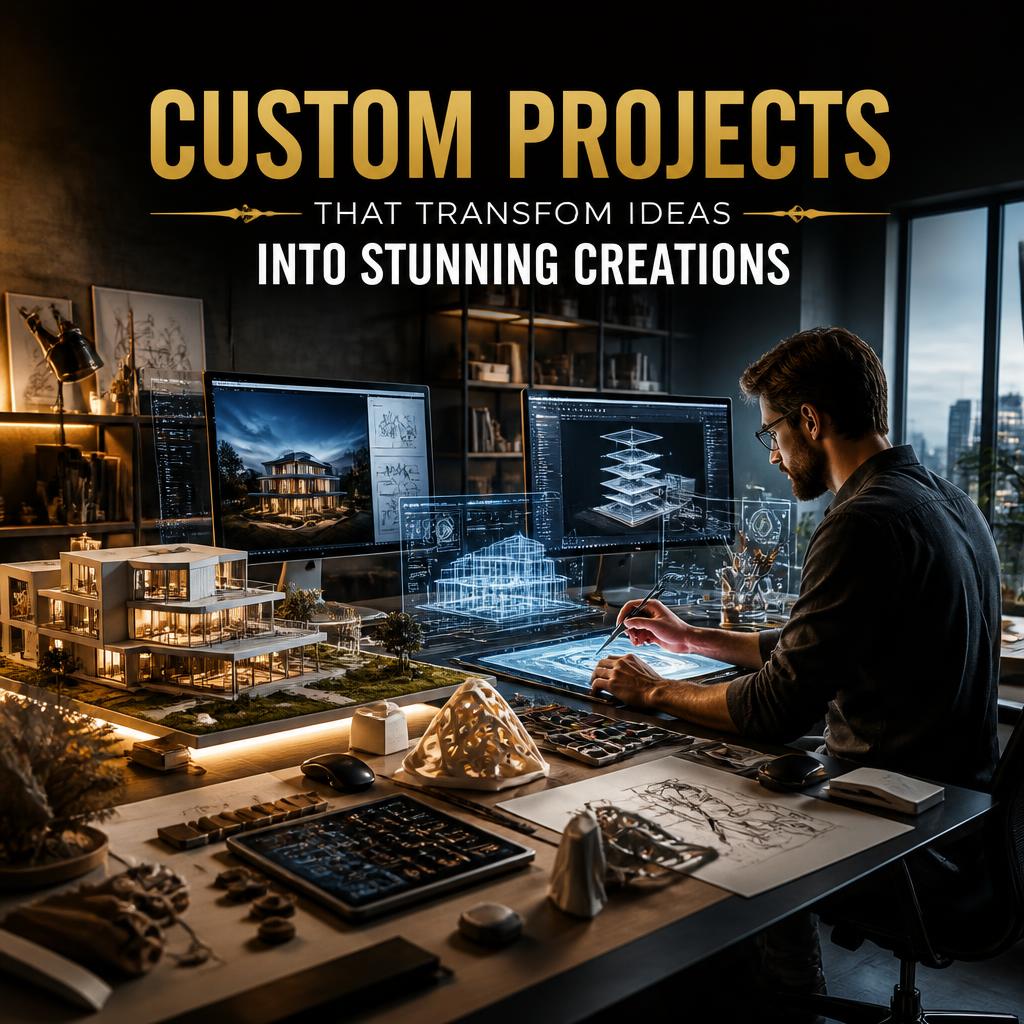
Discover how custom projects help individuals and businesses create tailored solutions, improve efficiency, and achieve goals with greater precision.
Custom Projects: Why Tailored Solutions Deliver Better Outcomes
statue-duodesign – Custom Projects have become one of the most effective ways to transform unique ideas into practical, measurable results. Whether you are developing a business initiative, launching a creative concept, or solving a specialized challenge, custom projects provide the flexibility needed to meet specific objectives.
Unlike one-size-fits-all solutions, custom projects focus on individual requirements. As a result, they help organizations and professionals create solutions that align with their goals, resources, and long-term vision.
One valuable resource often associated with successful project planning is custom project development solutions, which emphasizes personalized strategies and implementation methods designed for specific outcomes.
What Are Custom Projects?
Custom projects are specialized initiatives designed to address particular needs rather than following a standard template.
Defining a Custom Approach
A custom project begins with a unique requirement. Instead of adapting goals to existing solutions, the project itself is built around the desired outcome.
Common Examples
Custom projects can include:
- Software development
- Website creation
- Home renovations
- Manufacturing solutions
- Marketing campaigns
- Educational programs
- Research initiatives
Each project is tailored to meet a specific purpose.
Who Benefits Most From Custom Projects?
Many different groups benefit from customized project planning.
Businesses
Companies often require unique systems, workflows, and solutions that support operational growth.
Entrepreneurs
Startups frequently use custom projects to build innovative products and establish market differentiation.
Organizations
Nonprofits, educational institutions, and community groups can create solutions that align with their missions and audiences.
Why Custom Projects Continue to Grow in Popularity
The demand for personalized solutions continues to rise.
Greater Flexibility
Custom projects allow teams to adjust objectives, features, and timelines as requirements evolve.
Better Efficiency
Because every component serves a defined purpose, resources are often used more effectively.
Competitive Advantage
Organizations gain unique capabilities that competitors may not have.
Where Are Custom Projects Most Commonly Used?
Custom projects can be found across nearly every industry.
Technology Sector
Businesses develop custom applications, automation systems, and digital platforms.
Construction and Design
Architects and builders frequently create personalized structures based on client specifications.
Marketing and Branding
Companies build custom campaigns that target specific customer segments and business goals.
When Should You Choose a Custom Project?
Not every challenge requires a custom solution.
However, custom projects become valuable when:
- Existing tools fail to meet requirements
- Unique objectives exist
- Scalability is important
- Long-term value outweighs initial investment
- Specialized functionality is required
Recognizing the right moment can significantly improve project outcomes.
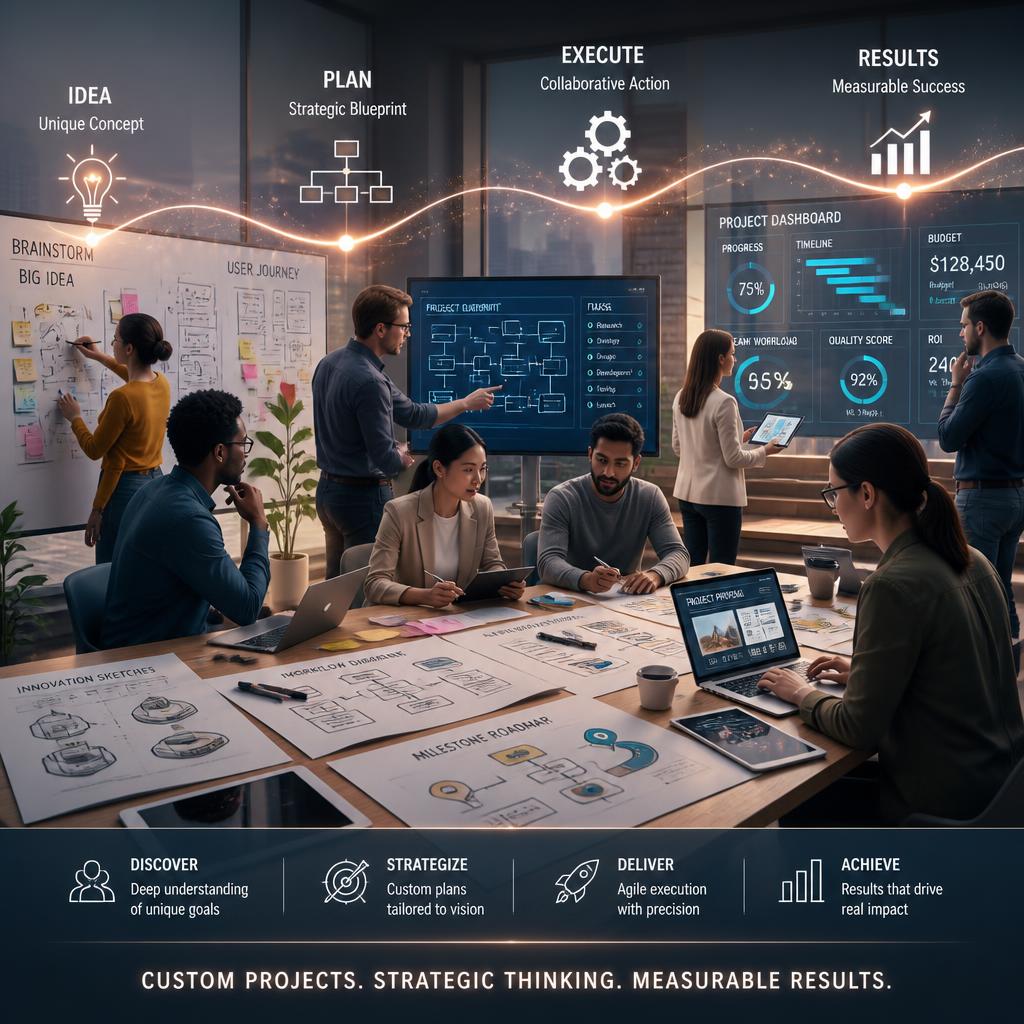
How Custom Projects Are Planned Successfully
Proper planning remains the foundation of every successful custom project.
Step 1: Define Objectives
Start by identifying what success looks like. Clear goals reduce confusion and guide decision-making.
Step 2: Analyze Requirements
Gather information about technical, financial, and operational needs.
Step 3: Build a Strategic Roadmap
A detailed roadmap outlines milestones, responsibilities, budgets, and timelines.
Step 4: Execute and Monitor
Regular monitoring ensures progress stays aligned with expectations.
Key Advantages of Custom Projects
Several benefits make customized initiatives attractive.
Personalized Functionality
Every feature serves a specific purpose rather than including unnecessary components.
Improved Scalability
Custom solutions can evolve as business needs change.
Long-Term Cost Efficiency
Although initial costs may be higher, tailored systems often reduce future expenses and inefficiencies.
Stronger User Experience
Projects built around user needs generally produce higher satisfaction levels.
Common Challenges and How to Overcome Them
Even well-designed projects face obstacles.
Scope Expansion
Project requirements sometimes grow unexpectedly. Clear documentation helps prevent uncontrolled expansion.
Budget Management
Accurate forecasting and ongoing financial reviews keep costs under control.
Communication Issues
Regular updates and collaborative planning improve stakeholder alignment.
Best Practices for Managing Custom Projects
Successful teams consistently apply proven management principles.
- Establish measurable goals
- Communicate frequently
- Track milestones
- Manage risks proactively
- Review progress regularly
- Maintain flexibility when needed
These practices improve efficiency while reducing uncertainty.
Future Trends in Custom Projects
Technology continues to reshape project development.
Artificial intelligence, automation, cloud platforms, and advanced analytics are helping organizations create more efficient custom solutions. At the same time, customer expectations continue to increase, making personalization even more important.
As industries evolve, custom projects will likely become a central strategy for innovation and growth.
Frequently Asked Questions
What makes custom projects different from standard projects?
Custom projects are designed specifically around unique requirements, while standard projects follow predefined templates and processes.
Are custom projects more expensive?
They can require higher initial investment. However, they often provide greater long-term value through improved efficiency and tailored functionality.
How long do custom projects typically take?
Timelines vary depending on complexity, scope, and available resources. Some projects take weeks, while others may require several months.
Can small businesses benefit from custom projects?
Yes. Small businesses often use custom projects to create unique solutions that support growth and differentiation.
What is the most important factor in project success?
Clear objectives, strong communication, and effective planning are among the most critical success factors.
Custom Projects Strategies That Turn Unique Ideas Into Results demonstrate how tailored solutions can help individuals and organizations achieve specific goals more effectively. By focusing on unique requirements, planning carefully, and adapting to changing needs, custom projects create opportunities for innovation, efficiency, and long-term success. As technology and customer expectations continue to evolve, investing in well-executed custom projects remains a powerful approach for turning ideas into meaningful outcomes.