statue-duodesign – Artistic Interior Design Secrets That Transform Any Space Beautifully can completely change the way a home, office, or commercial setting feels. More than simply arranging furniture, artistic interiors combine creativity, functionality, and personality to create environments that inspire people every day. Whether someone is renovating a small apartment or designing a luxury residence, understanding the principles behind artistic spaces can make a remarkable difference.
What Is Artistic Interior Design?
Artistic interior design is the practice of blending aesthetics, creativity, and functionality into a cohesive environment. It goes beyond standard decoration by incorporating unique visual elements, expressive details, and carefully selected materials that tell a story.
Unlike conventional layouts that focus mainly on utility, artistic spaces evoke emotions. Every object, texture, color, and form contributes to a larger visual narrative.
The Core Idea Behind Artistic Spaces
At its heart, artistic design aims to create an environment that reflects individuality. Rather than following trends blindly, it embraces originality and self-expression.
This approach often includes:
- Statement artwork
- Sculptural furniture
- Unique lighting fixtures
- Mixed materials and textures
- Personalized décor elements
Why Artistic Interior Design Is Becoming More Popular
Modern homeowners increasingly seek spaces that feel personal rather than generic. Social media, digital inspiration platforms, and global design influences have encouraged people to move beyond traditional decorating methods.
Several factors contribute to this growing popularity:
Personal Expression Matters More Than Ever
People want their homes to represent who they are. An artistic interior allows individuals to showcase their passions, interests, and cultural influences.
Functional Beauty Is Highly Valued
Today’s interiors must serve practical purposes while remaining visually appealing. Artistic design successfully balances both goals.
Creative Environments Improve Well-Being
Studies in environmental psychology suggest that visually engaging surroundings can positively influence mood, creativity, and productivity.
Who Can Benefit From Artistic Interior Design?
Many people assume artistic interiors are only suitable for luxury homes. In reality, anyone can apply these principles regardless of budget.
Homeowners
Families can create warm, inviting spaces filled with character and charm.
Business Owners
Restaurants, hotels, cafés, and offices use artistic concepts to establish memorable brand identities.
Remote Workers
Creative home offices often enhance focus and inspiration throughout the workday.
Understanding the Psychology of Artistic Spaces
Colors, shapes, and textures influence human perception more than most people realize.
Color Creates Emotional Responses
Different shades evoke different feelings:
- Blue promotes calmness
- Green encourages balance
- Yellow stimulates optimism
- Red creates energy and excitement
Choosing the right palette can dramatically alter the atmosphere of a room.
Shapes Affect Visual Flow
Curved furniture introduces softness, while geometric forms create structure and order. Combining both often produces a balanced environment.
Essential Elements of Artistic Interior Design
Creating an artistic space requires more than purchasing attractive furniture. Several design components must work together harmoniously.
Statement Art Pieces
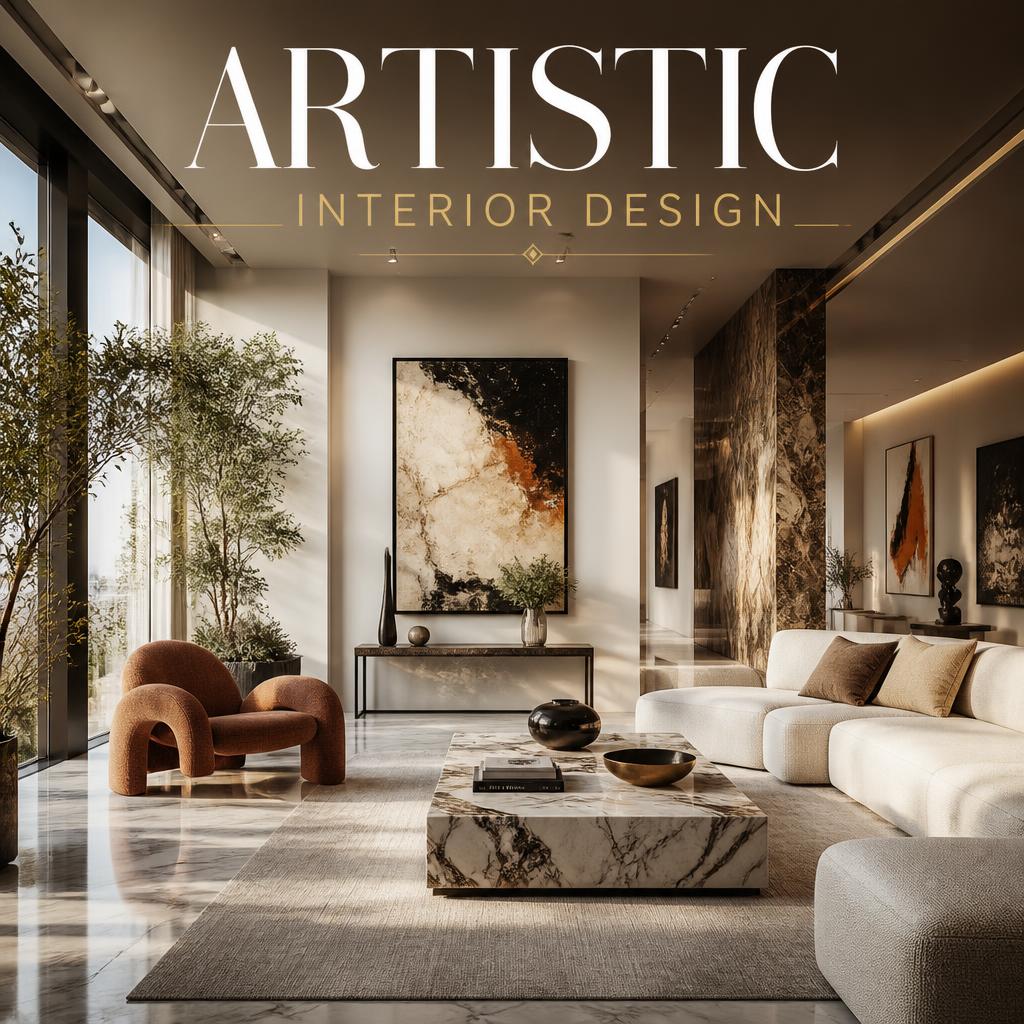
Art serves as a focal point that immediately captures attention. Large paintings, sculptures, or mixed-media installations often become conversation starters.
Texture Layering
Combining multiple textures creates visual richness. Popular combinations include:
- Velvet and wood
- Marble and brass
- Linen and concrete
- Leather and natural stone
Layering prevents a room from feeling flat or monotonous.
Dramatic Lighting
Lighting functions as both a practical necessity and an artistic feature. Pendant lamps, sculptural chandeliers, and accent lighting can completely transform a room’s mood.
How to Create a Cohesive Artistic Interior
One common mistake is adding too many creative elements without a clear direction. Successful interiors maintain balance.
Start by selecting a central theme. This doesn’t mean everything must match perfectly. Instead, the theme acts as a visual guide.
For example:
- Contemporary artistic style
- Industrial artistic style
- Scandinavian artistic style
- Eclectic artistic style
Once the foundation is established, every design decision becomes easier.
As designers often explain, incorporating Artistic Interior Design principles gradually throughout a project creates a more natural and sophisticated result than attempting to redesign everything at once.
Where Artistic Design Works Best
Artistic concepts can be applied almost anywhere.
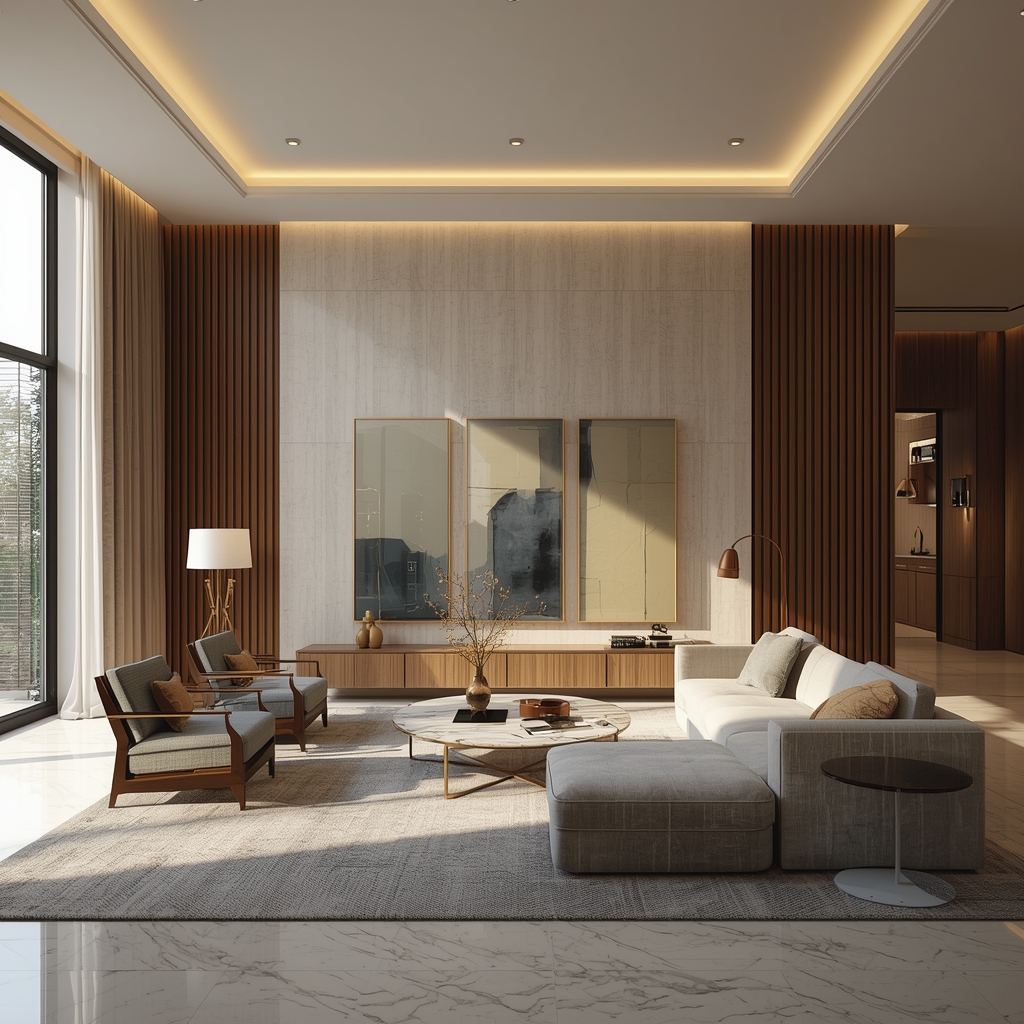
Living Rooms
This area often serves as the social center of a home. Bold artwork, textured fabrics, and unique furniture pieces thrive here.
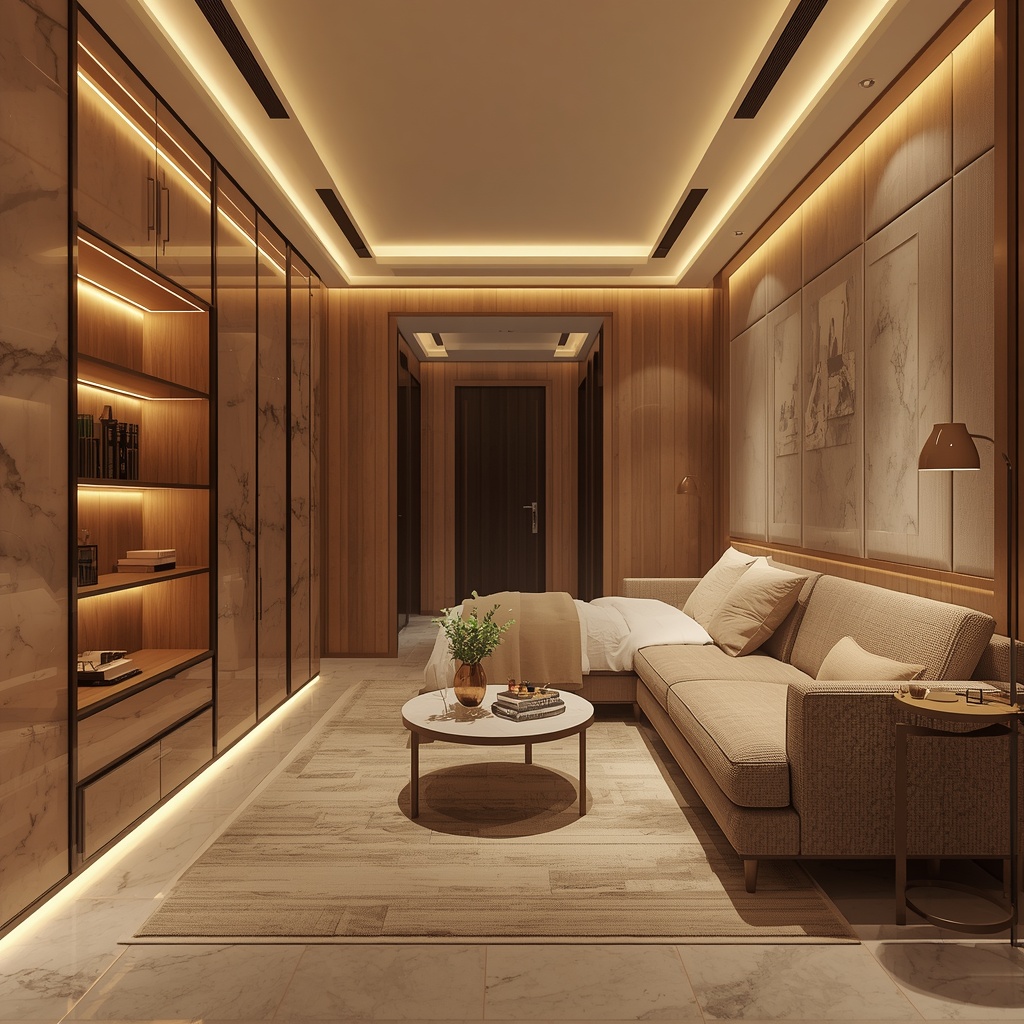
Bedrooms
Creative designs can promote relaxation while maintaining visual interest.
Kitchens
Artistic kitchens frequently feature custom cabinetry, striking backsplashes, and innovative lighting arrangements.
Commercial Spaces
Businesses use artistic interiors to create memorable customer experiences and strengthen brand recognition.
Common Mistakes to Avoid
Even beautiful concepts can fail when executed improperly.
Overcrowding the Space
Too many decorative elements compete for attention and create visual chaos.
Ignoring Functionality
A stunning room that lacks comfort or practicality will quickly become frustrating.
Following Trends Excessively
Design trends come and go. Timeless artistic spaces incorporate fashionable elements selectively while maintaining enduring appeal.
Combining Art and Function Successfully
The best artistic interiors never sacrifice usability.
Consider furniture pieces that double as artistic statements. A sculptural chair, for instance, can provide seating while serving as a visual centerpiece.
Similarly, custom shelving can function as both storage and display space for artwork, books, and collectibles.
This balance between form and function represents one of the most important concepts in modern design.
Future Trends in Artistic Interior Design
Design continues to evolve alongside technology and lifestyle changes.
Several emerging trends include:
Sustainable Artistic Design
Eco-friendly materials are becoming increasingly important. Reclaimed wood, recycled metals, and sustainable textiles are appearing in more projects.
Smart Design Integration
Technology is blending seamlessly into artistic environments through hidden systems and innovative interfaces.
Biophilic Elements
The incorporation of nature remains a major influence. Living walls, indoor gardens, and organic materials help create stronger connections to the natural world.
Personalized Craftsmanship
Handmade furniture, custom artwork, and artisan-created décor pieces are gaining popularity as people seek uniqueness.
Turning Inspiration Into Reality
Creating an artistic interior does not require unlimited resources. Small, intentional changes often produce impressive results.
Begin by identifying what inspires you. Explore galleries, architecture, nature, travel destinations, and cultural influences. Gather ideas and look for recurring themes.
Then focus on one room at a time. Introduce meaningful artwork, experiment with texture, upgrade lighting, and select pieces that genuinely reflect your personality.
The goal is not perfection. Instead, the objective is creating a space that feels authentic, comfortable, and visually engaging.
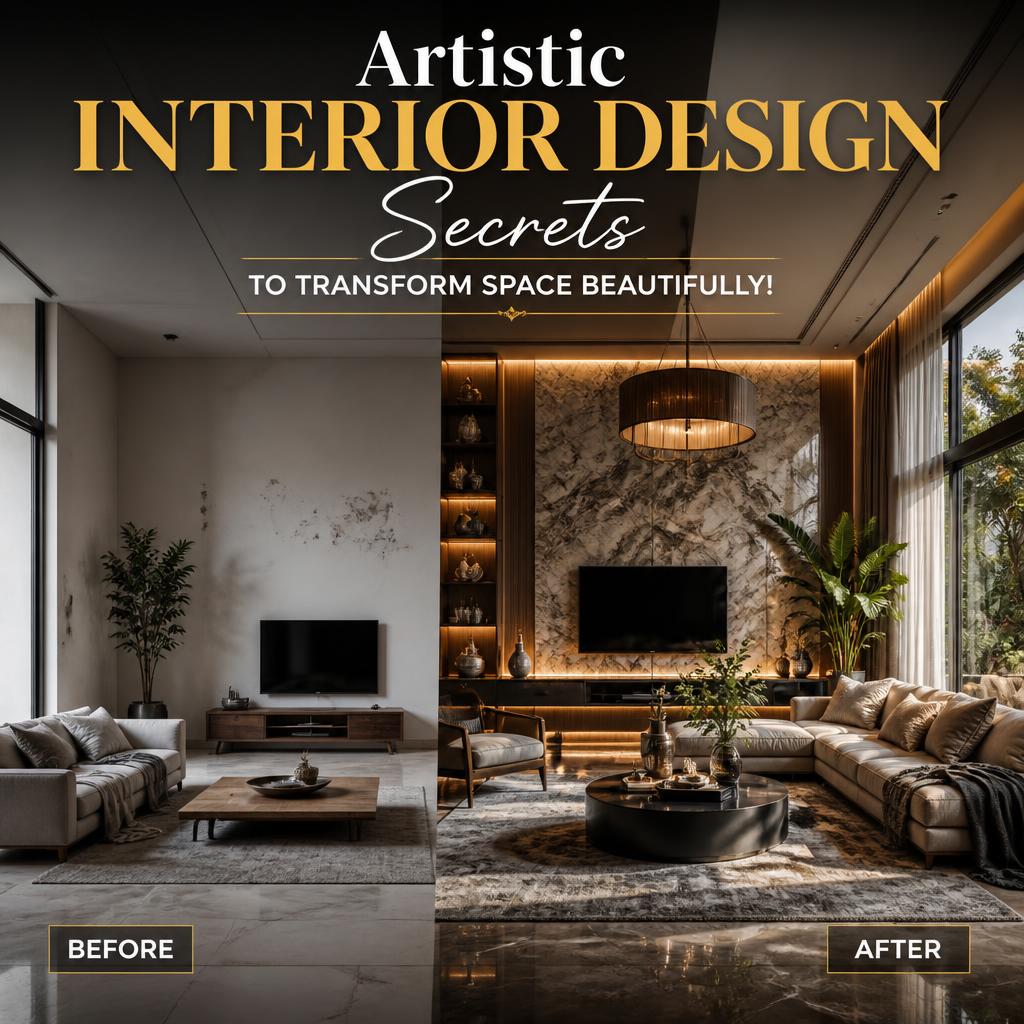
Artistic Interior Design Secrets That Transform Any Space Beautifully demonstrate how thoughtful creativity can elevate ordinary rooms into extraordinary environments. By combining artistic expression, practical functionality, psychological awareness, and personalized details, anyone can create a space that feels both inspiring and welcoming. Whether designing a cozy apartment, a modern office, or a luxury residence, the principles behind Artistic Interior Design provide a powerful foundation for building interiors that leave lasting impressions.