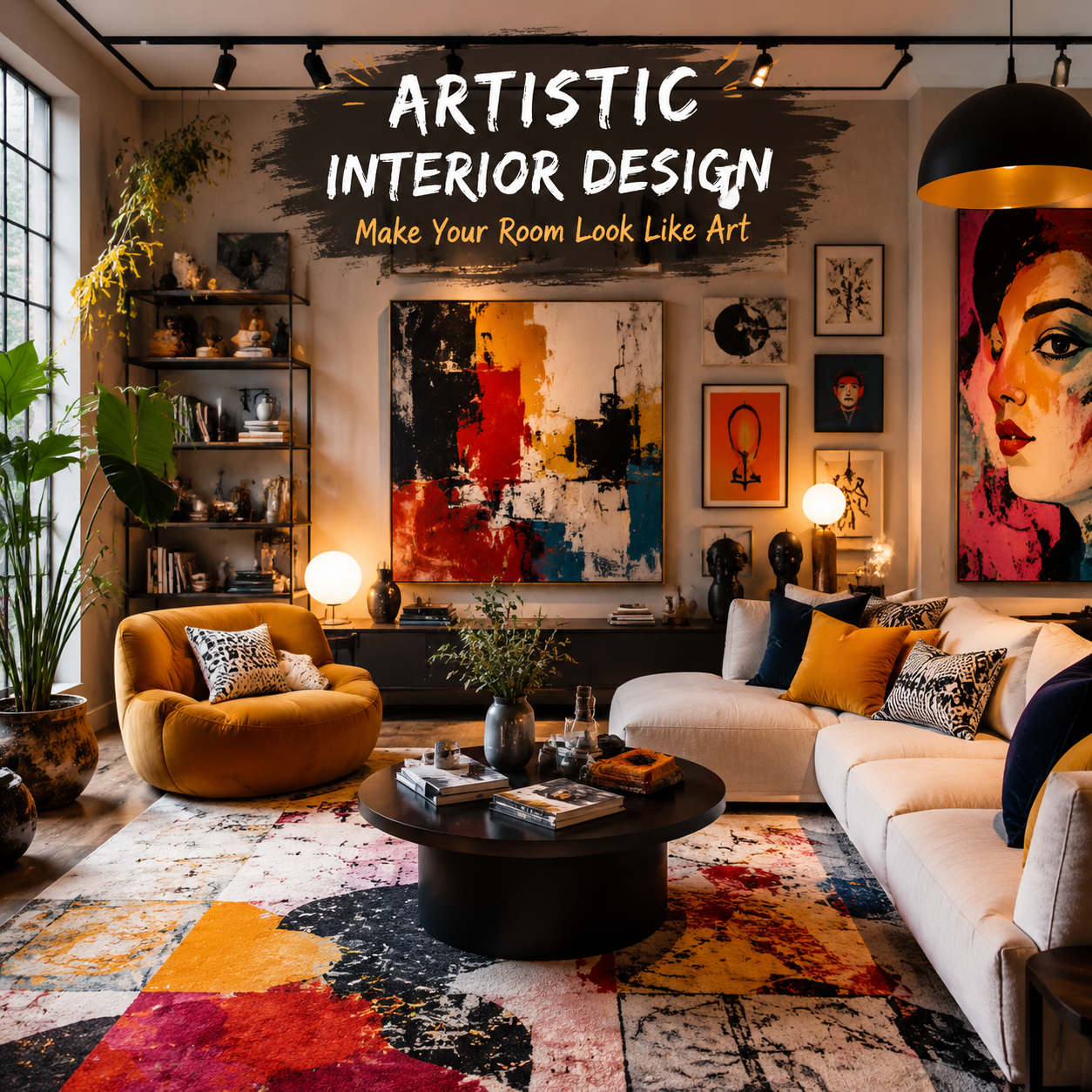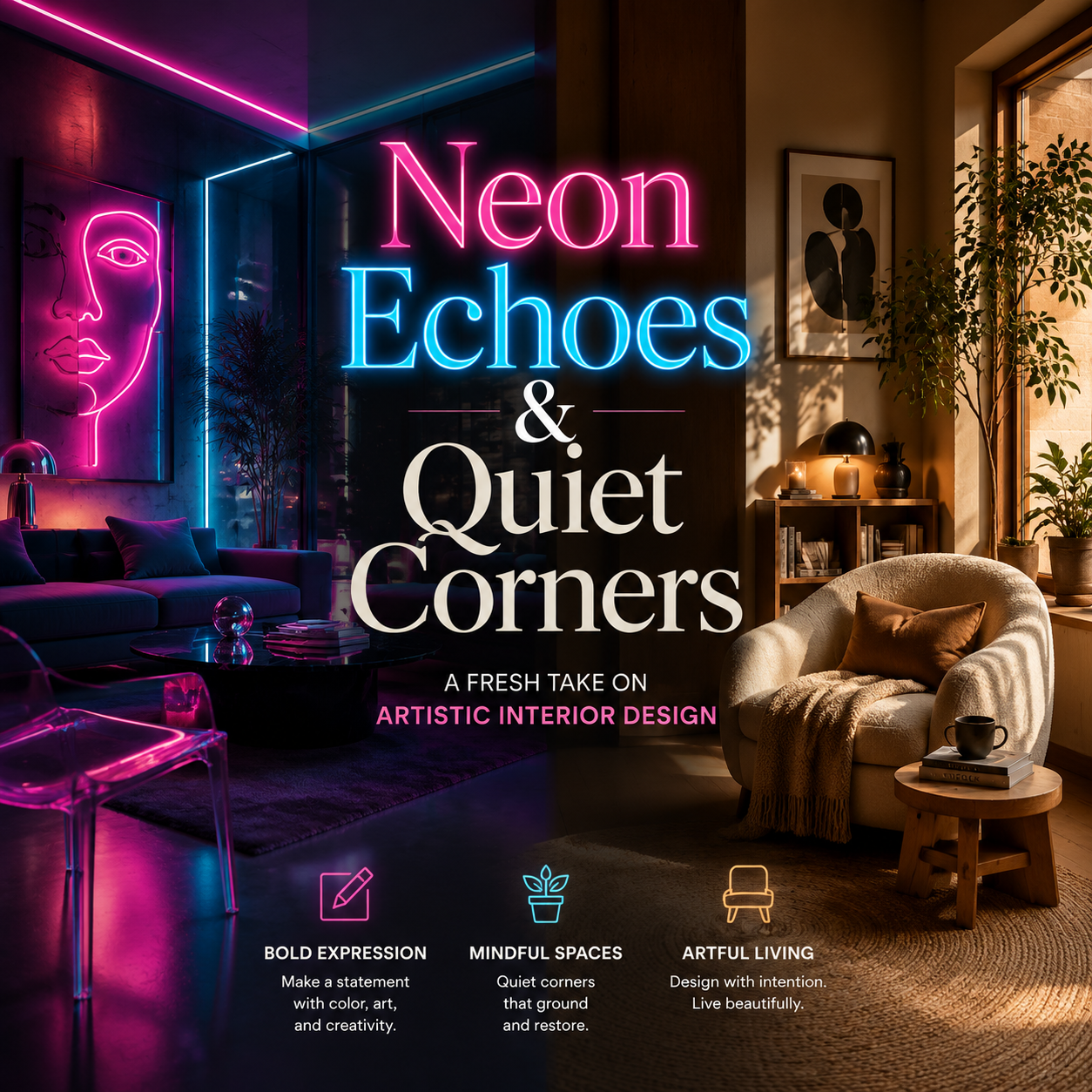
statue-duodesign – Neon Echoes & Quiet Corners: A Fresh Take on Artistic Interior Design explores how modern living spaces are shifting from simple functionality into emotionally expressive environments shaped by color psychology, material science, and personal storytelling. The idea is no longer just about decorating a room, but about building a sensory experience that feels alive, adaptive, and deeply personal.
What Makes Interior Spaces Feel Artistic?
Artistic interiors are not random visual experiments. They are structured compositions that balance emotion and function. Designers often blend aesthetic theory, spatial logic, and cultural references to create environments that feel intentional rather than chaotic.
The Role of Emotion in Space Design
Emotion is the invisible material of every artistic space. Warm tones can trigger comfort, while cooler palettes evoke calm and focus. This connection between mood and environment is often studied through environmental psychology, which explains how humans subconsciously react to spatial cues.
Why Texture Matters More Than You Think
Textures like raw wood, brushed metal, or linen fabrics influence how a room feels physically and emotionally. Rough textures suggest authenticity, while smooth surfaces communicate modern precision.
Who Shapes Modern Artistic Interiors?
The people behind these spaces range from professional designers to self-taught creators influenced by digital platforms like Pinterest and architectural blogs.
Designers vs. Home Creators
Professional designers focus on balance, proportion, and theory. Meanwhile, everyday creators often prioritize expression and comfort, resulting in more experimental layouts.
Cultural Influence in Design Identity
Cultural background plays a huge role. Scandinavian minimalism, Japanese wabi-sabi, and Mediterranean rustic styles all bring different emotional tones into a space.
Where Artistic Interior Design Thrives
Urban environments are the strongest playground for creative interiors. Cities with dense living spaces force innovation in layout and function.
Small Apartments, Big Creativity
Compact apartments often push designers to use multifunctional furniture, vertical storage, and optical illusions to expand perceived space.
Public Spaces as Design Inspiration
Cafés, galleries, and co-working hubs often act as experimental grounds for new interior trends before they reach private homes.
When Artistic Design Became a Movement
The rise of artistic interiors accelerated during the digital era when social media turned homes into visual content.
Post-Pandemic Lifestyle Shifts
After global lockdowns, people began rethinking their living spaces, prioritizing comfort, productivity, and emotional well-being.
The Influence of Remote Work Culture
Work-from-home lifestyles blurred the boundaries between office and home, forcing interiors to become multifunctional and visually stimulating.
Why Artistic Interior Design Matters Today
Modern life is overloaded with visual noise. A well-designed space acts as a psychological reset button.
The Science Behind Visual Comfort
Studies in cognitive ergonomics show that organized and visually balanced environments reduce stress and improve focus.
Sustainability as a Core Principle
Eco-conscious materials like recycled wood, low-VOC paints, and natural fibers are becoming essential in modern design thinking.
How Artistic Interior Spaces Are Created
Creating an artistic space involves layering ideas, materials, and lighting techniques.
Step 1: Concept Building
Every design starts with a narrative—whether it’s minimal luxury, industrial rawness, or nature-inspired serenity.
Step 2: Material Selection
Materials define the soul of a room. Designers often mix organic and industrial elements to create contrast.
Step 3: Lighting Strategy
Lighting is treated as a dynamic tool rather than a fixed fixture. Natural light is maximized, while artificial lighting is layered using ambient, task, and accent systems.
Spatial Composition and Visual Flow
Good design guides the eye naturally across a room.
Rule of Balance and Asymmetry
Perfect symmetry feels static, while controlled asymmetry creates movement and interest.
The Psychology of Empty Space
Negative space, often overlooked, allows the eye to rest and enhances the impact of focal points.
Color Theory in Artistic Interiors
Color is one of the strongest emotional triggers in interior environments.
Warm vs Cool Palettes
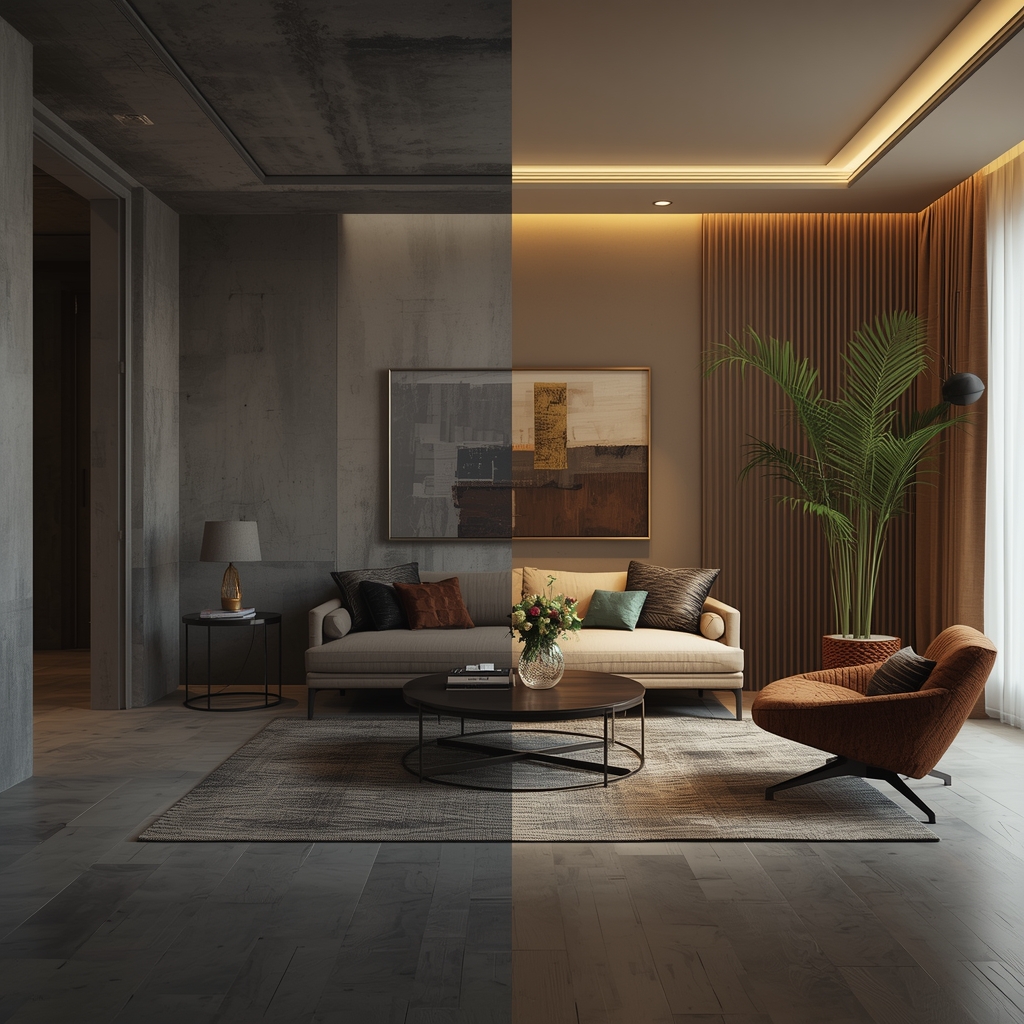
Warm tones like terracotta and amber create intimacy, while cool shades like teal and grey produce clarity and calm.
Accent Colors as Emotional Signals
Strategic use of bold colors can highlight architectural features or define functional zones within a space.
Materials and Modern Innovation
Technology has transformed how materials are used in interior design.
Smart Surfaces and Adaptive Materials
Surfaces that change color or texture based on temperature or light are becoming part of experimental design labs.
Integration of Natural and Synthetic Elements
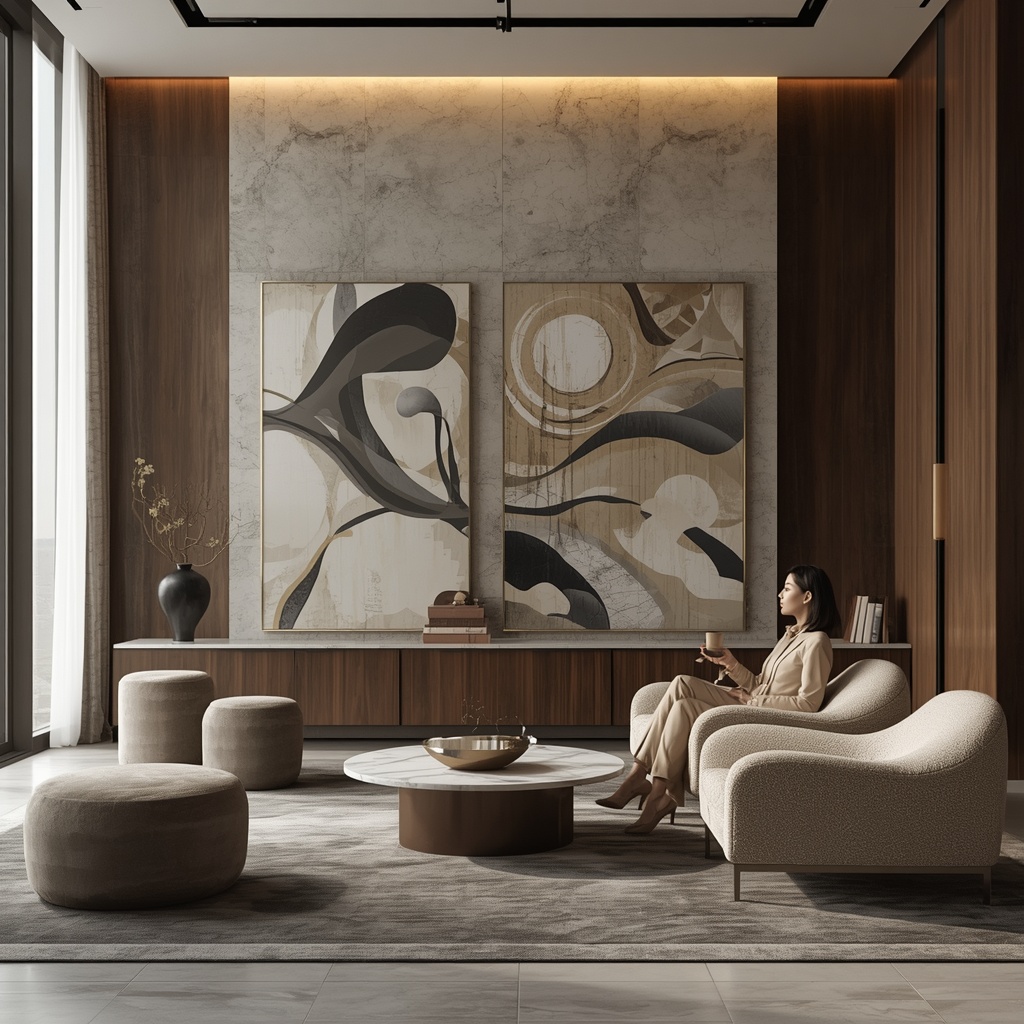
Combining stone, wood, glass, and composites creates layered visual depth that feels both organic and futuristic.
Minimalism vs Maximalism Debate
Both styles coexist in modern artistic interiors.
Minimalism: Controlled Silence
Minimalist design focuses on reduction, clarity, and intentional emptiness.
Maximalism: Controlled Chaos
Maximalism embraces bold patterns, layered textures, and expressive storytelling through objects.
The Midpoint Design Concept in Modern Spaces
At the center of many evolving design philosophies lies a balance between emotion, function, and identity. In many contemporary projects, Artistic Interior Design becomes the guiding principle that connects visual storytelling with spatial logic, ensuring every element feels intentional yet fluid within the overall composition.
Technology’s Role in Interior Evolution
Digital tools are reshaping how designers visualize and execute ideas.
3D Modeling and Virtual Reality
Software like AutoCAD, SketchUp, and VR platforms allow clients to experience spaces before they are built.
AI-Assisted Design Planning
Artificial intelligence now helps optimize layouts, lighting efficiency, and material usage based on user behavior patterns.
Future of Artistic Interior Design
The future points toward hyper-personalized, adaptive environments that respond to human presence.
Living Spaces That React
Smart homes may soon adjust lighting, scent, and temperature automatically based on emotional cues.
Biophilic Design Expansion
Nature integration—plants, natural airflow, and organic materials—will continue to dominate future interior trends.
Related Articles
✔️Artistic Interior Design Secrets to Transform Space Beautifully!
✔️Artistic Interior Design: Transforming Spaces with Creativity
Artistic interiors are no longer just about visual appeal but about creating meaningful environments shaped by psychology, culture, and technology. As lifestyles evolve, the demand for expressive and functional spaces continues to grow, making Artistic Interior Design a central philosophy in modern living spaces. Ultimately, Neon Echoes & Quiet Corners: A Fresh Take on Artistic Interior Design reflects how creativity transforms ordinary rooms into immersive emotional experiences that define how people live, feel, and connect.