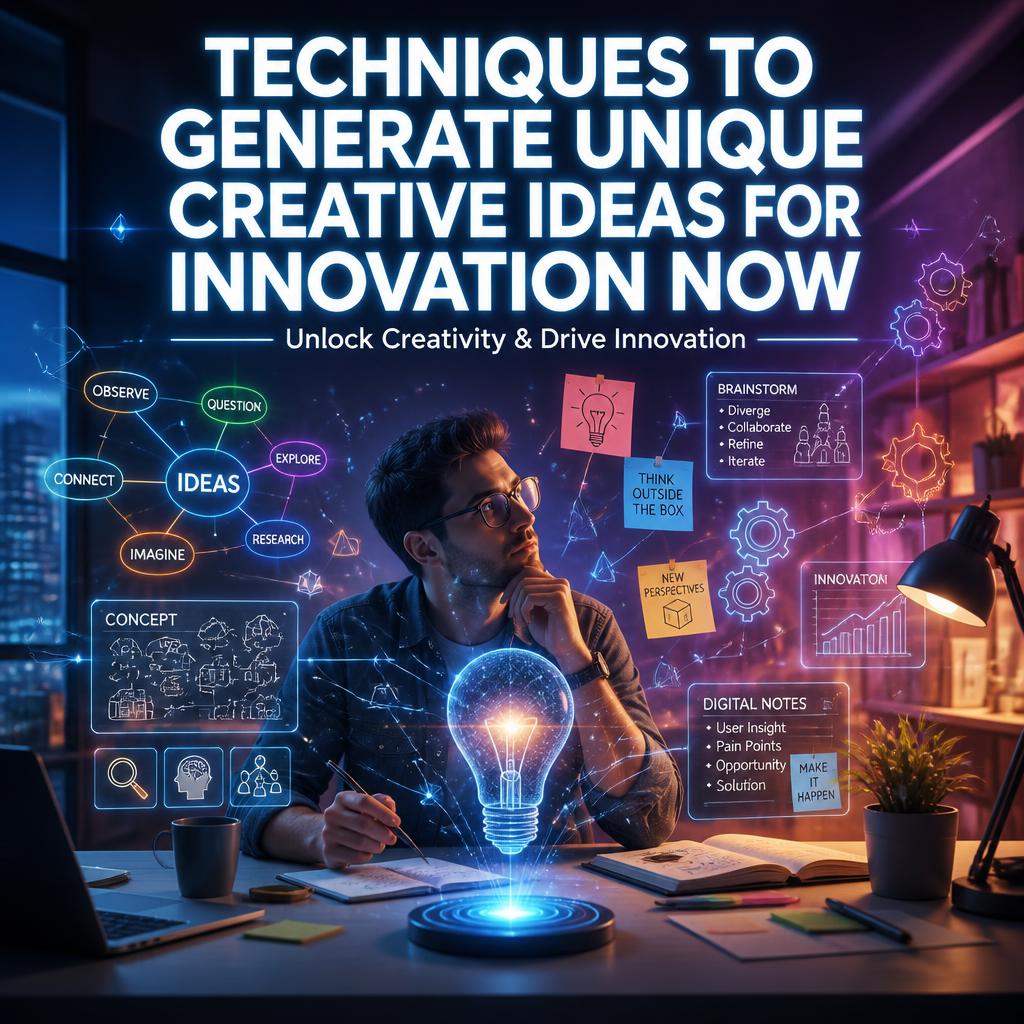
statue-duodesign – Ideas on Fire: How Creative Concepts Shape Bold Modern Thinking moves beyond theory and steps directly into how ideas actually get built, refined, and executed in today’s fast-moving creative world. Every brand, campaign, and product that grabs attention starts from one core foundation: a strong, well-directed concept that evolves through action, not hesitation.
What Makes a Creative Concept Powerful in Practice
Clear Direction Drives Execution
A powerful concept always leads with clarity. It defines what to build, how to communicate it, and why it matters. Instead of floating as an abstract idea, it pushes teams toward real decisions.
Meaning Over Decoration
Strong ideas don’t rely on decoration alone. They prioritize meaning first, then style follows. This approach keeps messaging sharp and memorable.
Who Shapes Creative Direction in Today’s World
Designers and Strategists Work Together
Designers bring visual execution, while strategists shape narrative direction. When both collaborate, ideas become structured systems rather than random outputs.
Brands, Creators, and Startups
Brands use concepts to define identity, creators use them to build audience connection, and startups rely on them to stand out in saturated markets. Each group applies the same logic but with different goals.
Where Creative Concepts Influence Everyday Experiences
Digital Platforms and Interfaces
Every swipe, click, and scroll you make is shaped by a concept. Apps design experiences to guide behavior intentionally, not randomly.
Physical Environments and Spaces
Retail stores, exhibitions, and even public spaces apply conceptual thinking to control flow, mood, and engagement.
Example in Real Life
A coffee shop might design lighting to feel warm, use slower music to extend stay time, and arrange seating to encourage social interaction—all built from one central idea.
When Concept Thinking Became Essential in Business
Shift From Product to Experience
Businesses no longer compete only on what they sell. They compete on how the experience feels from start to finish.
Rise of Experience Economy
As audiences demand more meaningful interactions, companies started investing heavily in storytelling, branding, and emotional engagement.
Why Creative Concepts Drive Attention and Memory
Human Brain Responds to Structure
People naturally remember structured stories more than disconnected information. Concepts provide that structure.
Emotional Connection Strengthens Recall
When ideas trigger emotion—curiosity, excitement, or nostalgia—they stay longer in memory and increase engagement.
How Strong Creative Concepts Are Built Step by Step
Step 1: Research Real Behavior
Creators analyze audience habits, cultural trends, and emotional triggers. This step ensures the idea connects with reality.
Step 2: Turn Insight Into Direction
Instead of jumping into visuals or copywriting, teams translate insights into a single guiding idea.
Step 3: Build and Refine Through Feedback
Iteration matters. Concepts evolve through testing, feedback, and adjustment until they feel natural and effective.
How Strategy and Creativity Work Together
Balance Between Logic and Imagination
Strategy ensures the idea works. Creativity ensures it stands out. When both align, results become more impactful.
Cross-Team Collaboration
Developers, marketers, and designers now co-create from the beginning instead of working in isolation.
At this stage, the role of Creative Concepts becomes even more visible, because they connect all disciplines into one unified direction that prevents fragmentation and keeps execution focused.
Common Mistakes in Concept Development
Overloading Ideas
Too many ideas in one direction dilute the message. Simplicity always performs better than complexity without focus.
Ignoring Audience Context
A visually strong idea can still fail if it does not match audience expectations or cultural understanding.
The Role of Technology in Modern Concept Creation
AI as an Idea Accelerator
AI tools help creators test variations quickly, analyze patterns, and generate early-stage directions faster than traditional methods.
Data-Driven Creativity
Analytics now guides creative decisions. Teams no longer rely only on intuition; they validate ideas with real user behavior.
Future Direction of Creative Thinking
Adaptive Concepts
Future ideas will not stay fixed. They will adapt based on user interaction, environment, and context.
Immersive Experiences
AR and VR will push concepts beyond screens into fully interactive spaces where users experience ideas physically.
Why Simplicity Still Wins in Competitive Markets
Fast Understanding Matters
In crowded environments, people only give seconds of attention. Simple concepts communicate faster.
Strong Identity Through Minimalism
Minimal ideas often leave stronger impressions because they reduce noise and highlight essence.
Real-World Applications Across Industries
Marketing Campaigns
Campaigns built on strong concepts generate stronger engagement because they tell a story instead of just selling.
Product Design
Every button, feature, and interaction in a product reflects conceptual thinking about usability and emotion.
Branding Systems
Brands use concepts to define tone, voice, and visual identity across all channels consistently.
Strong ideas never happen by accident—they form through structure, intention, and continuous refinement. The evolution of Ideas on Fire: How Creative Concepts Shape Bold Modern Thinking proves that creativity becomes powerful only when it turns into action, direction, and meaningful execution that people can feel, understand, and remember.